 Byadmin
Ukraine’s Unmanned Systems Forces have reported a new series of attacks on Russian-linked shipping and electricity infrastructure, indicating that Kyiv is seeking to make maritime transport increasingly difficult across the Black Sea and Sea of Azov.
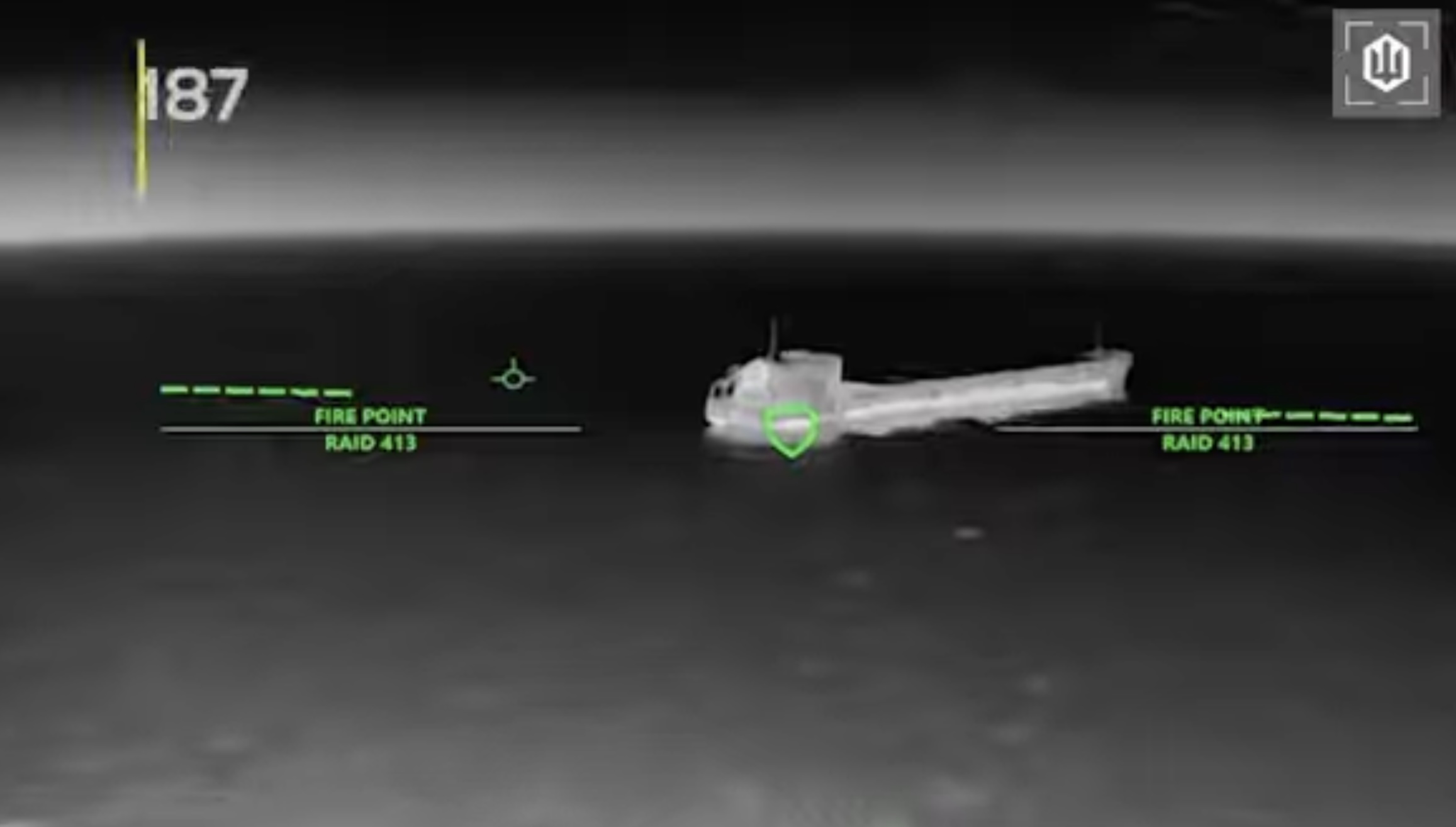
Robert Brovdi, commander of Ukraine’s Unmanned Systems Forces and widely known by his call sign “Madyar”, said in a statement accompanied by strike footage that Ukrainian drones hit 13 vessels on 21 and 22 July. He identified the targets as one tanker, 10 dry-cargo ships and two tugboats.
Brovdi said the attacks formed part of an operation codenamed “MoLoChKa”. According to his figures, Ukrainian forces identified and struck 196 vessels between 6 and 22 July: 126 in the Sea of Azov and 70 in the Black Sea.
These remain Ukrainian military claims. A complete list of the vessels, their owners, cargoes and the damage sustained has not been published. The available footage shows attacks on ships or their superstructures, but does not establish that all the vessels were destroyed or permanently removed from service.
The terminology also requires caution. Ukrainian statements describe the targets collectively as Russia’s “shadow fleet”, but that term is usually applied more narrowly to tankers operating through opaque ownership, flagging and insurance arrangements to carry Russian oil. Dry-cargo ships and tugboats cannot automatically be placed in the same category without evidence about their ownership and activities.
The inclusion of dry-cargo vessels nevertheless suggests that the campaign has expanded beyond oil exports. Such ships can transport grain, coal, metals, machinery and other bulk goods. Tugboats perform a different but essential function, assisting ships inside ports, moving barges and supporting vessels that have suffered mechanical or combat damage.
Attacking these supporting elements may disrupt maritime operations even when the vessels concerned are not carrying oil. A port can continue to possess functioning terminals while losing some of the smaller craft needed to move ships safely through confined waters.
There is already evidence that the threat is affecting Russian shipping decisions. Earlier in July, Russia temporarily suspended traffic through the Don-Azov Channel after Ukrainian attacks on 13 vessels, including 10 tankers. The channel links the River Don with the Sea of Azov and serves the grain-producing regions of Rostov and Krasnodar. Up to a quarter of Russian wheat exports may pass through the wider Azov route.
Restrictions have also reached Novorossiysk, Russia’s largest port by cargo volume. Vessel movements in and out of the port have been prohibited between midnight and 5am because of the drone threat, according to grain-industry sources. The restriction was reportedly issued verbally, while daytime operations continued.
Novorossiysk handles oil, grain, metals, containers and other goods. It is also expected to receive some cargo diverted from the Sea of Azov. Night-time restrictions therefore do not amount to a closure, but they reduce operational flexibility and may produce congestion, delays and higher transport costs.
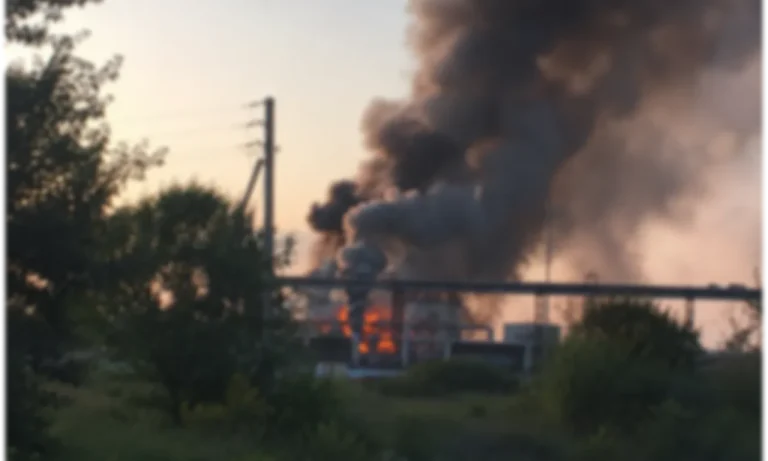
The maritime campaign is being conducted alongside attacks on electricity infrastructure in Russian-occupied Crimea and other occupied territories.
Brovdi said Ukrainian forces struck 13 energy installations on 21 and 22 July, including 11 in Crimea. His list included substations serving Alushta, Massandra, Luchyste, Yalta, Alupka, Zoria, Zymine and Gaspra. Other reported targets were in occupied parts of Zaporizhzhia and Kherson regions, including Berdyansk, Bilmak and Olhyne.
He claimed that Ukrainian forces had hit 117 energy targets between 1 and 22 July. That total has not been independently verified, although the Russian-controlled electricity operator in Crimea acknowledged drone attacks and power cuts affecting settlements on the peninsula’s southern coast. It said electricity supplies also remained difficult in eastern and north-western Crimea.
The maritime and electricity operations appear to serve a connected objective. Russian forces in Crimea and occupied southern Ukraine depend on ports, railways, roads, fuel depots and power networks. Repeated attacks force Moscow to disperse air-defence systems, deploy repair crews and protect infrastructure across a broad area.
The attacks do not demonstrate that Ukraine has closed the Black Sea or destroyed Russia’s commercial fleet. They do show that Kyiv can impose repeated interruptions on routes previously regarded by Moscow as relatively secure.
The contest is also affecting Ukrainian shipping. Russian strikes have intensified against Odesa and Chornomorsk, and Maersk has suspended services through Chornomorsk Fishing Port, diverting affected shipments to Constanța in Romania. Ukraine says the main deepwater port at Chornomorsk remains operational.
The emerging pattern is therefore not a complete blockade by either side, but an expanding campaign against the infrastructure that makes maritime trade possible. Ships can be repaired or replaced, but continuing attacks on vessels, service craft, port access and electricity networks may make Russian operations in the Black Sea and Sea of Azov slower, more expensive and increasingly dependent on defensive measures.