The proposed 2027 increase would set a new headline level, but its deterrent value will depend on whether Taiwan can turn allocations into delivered missiles, drones, air defence, stocks and resilient infrastructure.
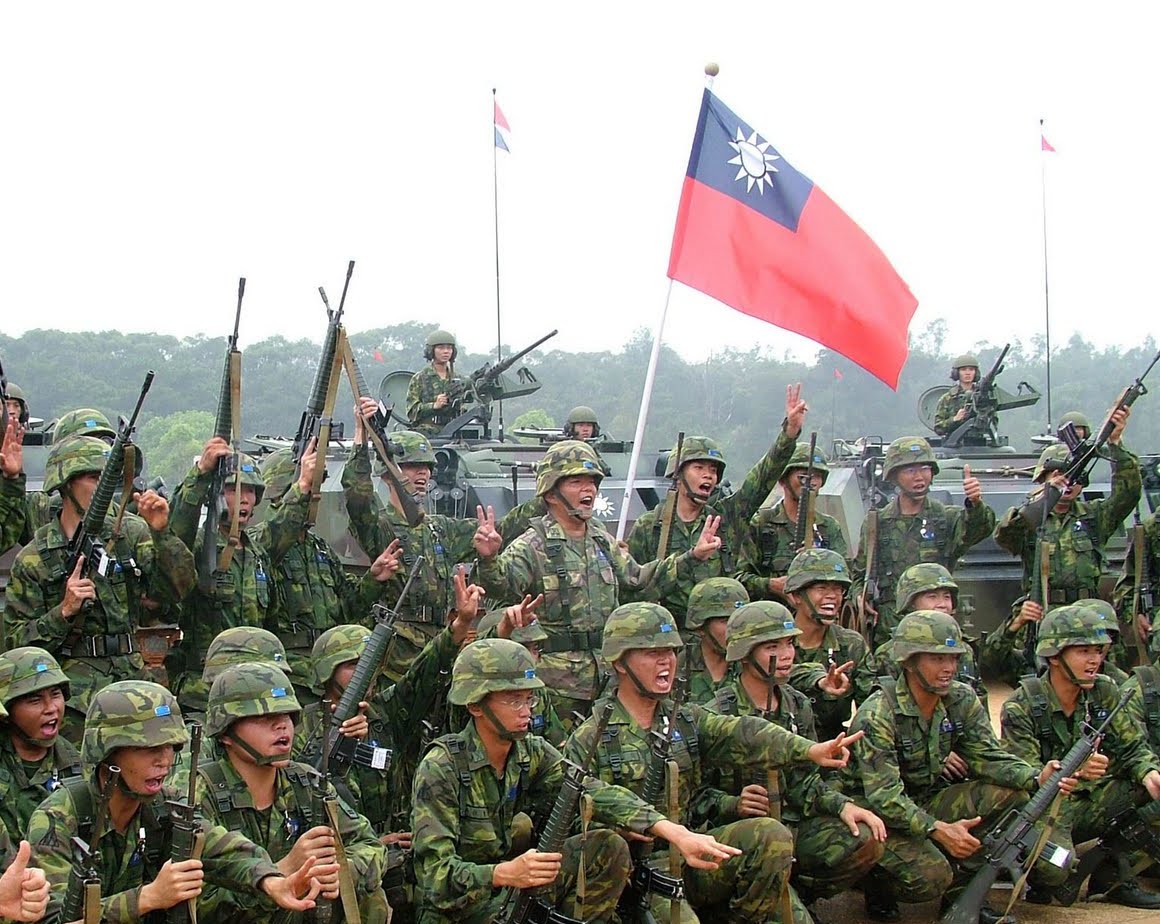
Taiwan’s government is preparing to propose a 16 per cent increase in defence expenditure for 2027, taking the direct defence budget above NT$1 trillion for the first time, according to the island’s official Central News Agency.
The cabinet is due to review the detailed budget on 20 August before it is submitted to the legislature. The figure is therefore a government proposal rather than enacted spending, and individual allocations could change during cabinet and parliamentary scrutiny.
The increase would continue Taipei’s effort to match its public warnings about Chinese military pressure with a larger and more sustained financial commitment. It would also answer repeated demands from Washington that Taiwan devote more resources to its own defence.
The important question is not simply whether the total rises. Taiwan’s security depends on whether money is converted quickly into survivable capabilities, trained personnel and stocks that remain usable during a blockade or attack.
Taiwan’s defence plans have been shaped by disputes between President Lai Ching-te’s administration and an opposition-influenced legislature. Earlier supplementary funding was reduced, delaying or excluding parts of the government’s planned domestic drone, missile and air-defence programmes.
Defence Matters examined those consequences in its report on Taiwan’s defence-budget delay and the resulting capability gap. The 2027 proposal offers the executive another opportunity to fund priorities, but it does not remove the need for legislative agreement.
A record headline may therefore coexist with political uncertainty. Lawmakers can amend totals, block individual lines or demand greater disclosure before approving long-term programmes.
That scrutiny is legitimate in a democracy. The strategic cost arises when repeated delay pushes procurement beyond the point at which equipment can be delivered and integrated on the required timetable.
A defence budget measures planned expenditure, not combat power. Currency movements, inflation, personnel costs and multi-year payment schedules can change the amount of usable capability produced by the total.
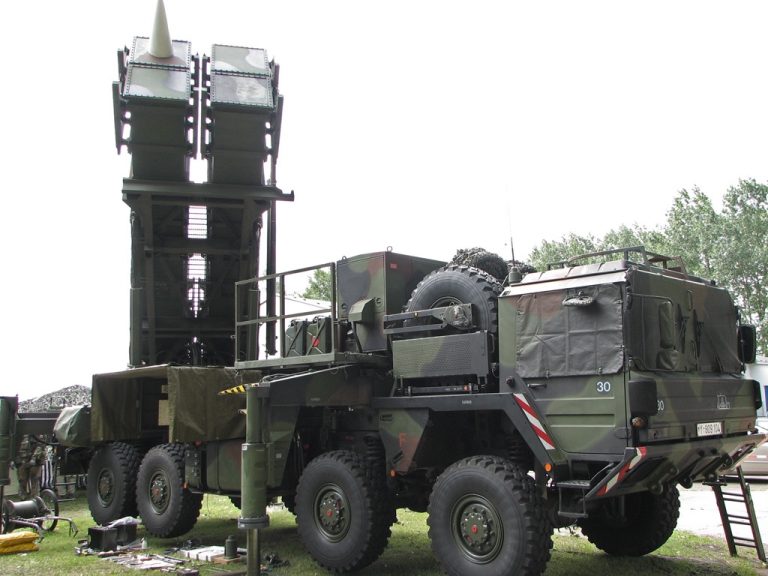
The composition matters particularly for Taiwan. Large conventional platforms may have political and military value, but airfields, ports and fixed headquarters are vulnerable to precision strike. Taipei has increasingly emphasised mobile missiles, unmanned systems, dispersed command networks, mines, air defence and hardened infrastructure.
Munitions and spare parts are equally important. A force can possess advanced aircraft and ships while lacking the stockpiles, maintenance capacity or protected fuel needed for a prolonged crisis.
The cabinet’s 20 August package should therefore be assessed by programme rather than percentage alone. Analysts will look for funding that improves readiness within years rather than promising prestige capabilities at the end of a long acquisition cycle.
China claims Taiwan as its territory and has increased military flights, naval activity and exercises around the island. Those operations impose a daily readiness burden even below the threshold of war, forcing Taiwan to track movements and decide when to deploy aircraft and ships.
Beijing can also combine conventional pressure with cyber operations, disinformation, coastguard activity and economic measures. Taiwan’s defence budget must consequently support resilience across military and civilian systems, including communications and energy.
The United States remains Taiwan’s principal arms supplier and security partner despite the absence of formal diplomatic relations. Washington has urged Taipei to spend more and prioritise asymmetric capabilities that can survive initial attacks and complicate an attempted invasion.
US pressure creates an additional political test. A budget designed mainly to satisfy an external percentage demand may not match Taiwan’s most urgent operational needs. Taipei must show that higher spending reflects its own defence plan.
Taiwan cannot rely exclusively on imported equipment. Foreign purchases bring advanced technology and deepen political ties, but production queues and approval procedures can delay delivery.
Domestic programmes can provide scale, local maintenance and faster adaptation. Missiles and drones produced on the island may be easier to replenish and modify, provided factories and supply chains are protected.
Defence Matters has also covered the emphasis placed by US officials on Taiwanese drone production after earlier budget cuts. The new proposal will reveal whether that priority has secured durable funding.
Investment in factories is not enough. Taiwan needs tested designs, secure components, trained operators, electronic-warfare resilience and procurement processes capable of ordering at scale.
Reuters report attributes the planned 16 per cent increase to official Taiwanese media. It precedes both cabinet approval and the legislative process.
That timing makes the figure politically useful but fiscally provisional. The 20 August review should provide a clearer baseline, including whether special budgets are counted alongside ordinary defence expenditure and how the total is measured against GDP.
Taiwan’s deterrence problem cannot be solved by one annual budget. Procurement, training and infrastructure take years, while the threat environment changes continuously.
Passing NT$1 trillion would nevertheless be an important marker. Its strategic value will be determined by a more demanding measure: how much usable, resilient capability Taiwan can field before the next crisis tests it.