The Da Nang construction milestone moves Vietnam’s most ambitious indigenous warship from planning into production, but official claims about domestic weapons content and anti-submarine capability await detailed technical evidence.
Vietnam has begun construction of what it describes as its largest and most advanced domestically built anti-submarine frigate, marking a significant step in the country’s effort to reduce dependence on imported naval technology.
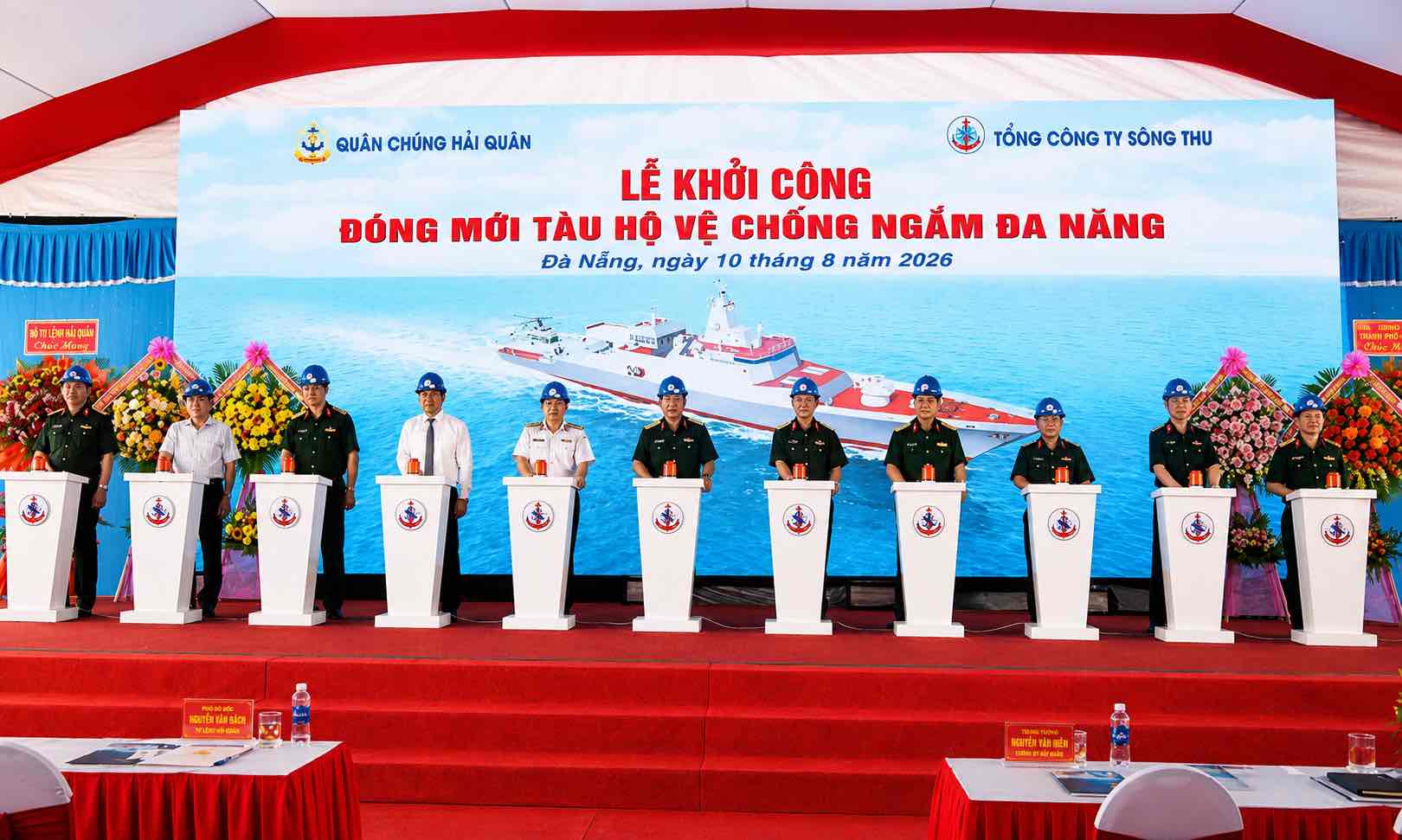
Work formally started in Da Nang on 10th August. Vietnamese state-linked reporting said most of the vessel’s weapons and equipment would be developed or assembled domestically, although detailed specifications, supplier lists and a delivery timetable have not been independently published.
The construction ceremony matters because it moves the programme beyond design claims and political ambition. Cutting steel and beginning physical assembly create a real industrial test: whether Vietnamese yards can integrate propulsion, sensors, weapons, aviation facilities and combat-management systems into a reliable major warship.
The original Vietnam News Agency-linked report describes the ship as an anti-submarine frigate. Until technical data are released, that designation and the claimed level of indigenous content should remain attributed to the Vietnamese authorities.
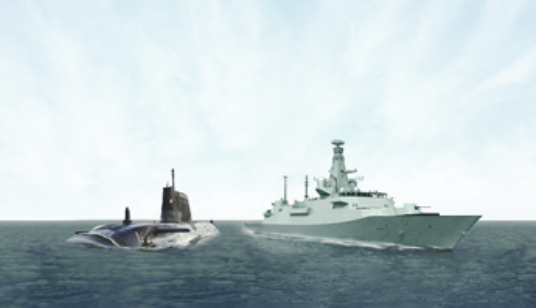
Building a hull is only one part of an effective anti-submarine platform. The ship must detect, classify, track and, if necessary, engage submarines operating in noisy coastal waters.
That normally requires a combination of hull-mounted sonar, potentially a variable-depth or towed array, acoustic-processing software, torpedoes and a helicopter or unmanned aircraft able to deploy sensors beyond the ship’s immediate position.
Each component must exchange information through the combat-management system. Quiet propulsion and machinery isolation are also important because the ship’s own noise can mask the weak acoustic signature it is attempting to find.
Vietnam has not publicly disclosed enough detail to judge the vessel against those criteria. A flight deck and weapons launchers may be visible during construction, but anti-submarine effectiveness will depend on sensors, software, training and sustained maintenance.
Reuters’ original report on the construction start notes Hanoi’s emphasis on domestic manufacture. That claim may cover different levels of control, from local assembly of imported subsystems to wholly Vietnamese design and production.
Vietnam’s navy has long operated equipment of Soviet or Russian origin, including Gepard-class frigates, Kilo-class submarines and associated missiles and sensors. Those systems gave Hanoi meaningful capability but also created dependence on foreign spares, technical support and upgrade pathways.
Russia’s war against Ukraine and the sanctions environment have made that dependence harder to manage. Supply chains are under pressure, Russian industry is prioritising its own forces, and financial transactions can be complicated by restrictions.
Domestic construction offers greater control over repair and modification. It can also allow Vietnam to combine components from several partners rather than remain tied to a single supplier.
Independence should not be overstated. Marine engines, specialised sonar components, radar modules and weapons may still depend on imported technology even when integration occurs in a Vietnamese yard. The decisive question is whether Hanoi controls the technical data and skills needed to keep the ship operational without continuous foreign permission.
Vietnam has a long coastline facing the South China Sea, where overlapping territorial claims and expanding naval activity create persistent security pressure. China operates a much larger navy and submarine fleet, making undersea awareness particularly important to Hanoi.
An anti-submarine frigate cannot remove that imbalance. It can protect approaches to major ports and naval bases, escort other vessels and contribute to surveillance of maritime areas Vietnam regards as strategically important.
The platform may also support broader tasks including surface warfare, air defence, patrol and search and rescue. Multi-role design is economically attractive for a navy with limited numbers, but every additional mission creates demands on space, weight, power and crew training.
A ship optimised for too many roles can become adequate at each without being exceptional at any. Vietnam’s final sensor and weapons configuration will show whether anti-submarine warfare is the primary design purpose or one mission within a general-purpose frigate.
Major warship programmes build industrial knowledge that can be reused. Naval architects learn how designs behave in production, yards improve modular assembly, and local firms acquire experience with military quality control.
The first ship is normally the most difficult and expensive. Construction delays, changes to imported components and software-integration problems are common even in established naval industries.
Vietnam will need sea trials extensive enough to test propulsion, acoustic performance, weapons safety and combat-system integration. Delivery to the navy will not by itself prove that the ship is operationally ready; crews must train and the platform must demonstrate reliability over time.
If the programme continues beyond one hull, later vessels could contain more domestic content and be built more efficiently. A one-off demonstrator would provide prestige and experience but deliver less industrial depth.
The start of construction is a substantive development. Vietnam is committing yards, engineers and funding to a class of vessel more complex than routine patrol craft.
It remains too early to assess the ship’s combat value. Displacement, sonar fit, propulsion, missile load, helicopter arrangements and commissioning schedule have not been independently confirmed in sufficient detail.
The correct conclusion is therefore narrower than the official superlatives. Vietnam has begun its most ambitious reported indigenous anti-submarine warship project, signalling a desire for greater technological autonomy and a stronger maritime-denial capability.
Whether it achieves those goals will be decided during integration and sea trials, not at the construction ceremony.