The programme marks a significant shift for a country that, until recently, was often regarded as one of NATO’s more reluctant military spenders. Today, however, Brussels is positioning itself as a growing hub for defence technology, seeking not only to modernise its armed forces but also to foster a domestic industrial ecosystem capable of competing in an increasingly strategic sector.
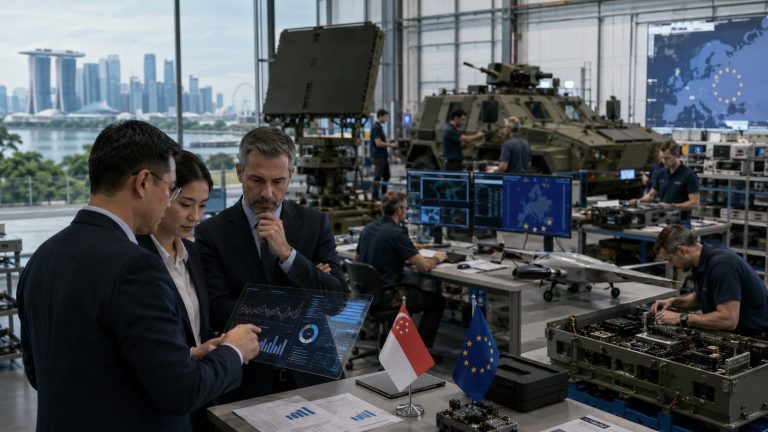
At the centre of the initiative is Odin, a newly established defence innovation platform designed to bridge the long-standing gap between military requirements, academic research and private-sector expertise. The organisation will act as a central gateway for companies seeking to collaborate with Belgium’s armed forces, while helping promising technologies progress from laboratory concepts to industrial-scale production.
The investment comes as defence spending surges across Europe. Russia’s continued military aggression, concerns over long-term American security guarantees and growing competition in advanced military technologies have pushed governments throughout the continent to rethink decades of underinvestment. Belgium has been among the fastest movers. According to recent figures, the country recorded one of Europe’s sharpest increases in military expenditure, while finally reaching NATO’s long-standing benchmark of spending 2 per cent of gross domestic product on defence.
Defence minister Theo Francken has framed the innovation programme as more than a procurement exercise. The objective, he argues, is to create a sustainable industrial base capable of generating economic growth, technological expertise and strategic autonomy simultaneously. By directing funding towards research, development and advanced manufacturing, policymakers hope to avoid becoming solely dependent on foreign suppliers for critical military capabilities.
The initiative also reflects a broader European trend. Across the continent, governments are seeking to cultivate domestic defence industries while strengthening collaborative procurement programmes. Belgium has already secured access to more than €8bn in favourable European financing through the European Union’s SAFE programme, which is designed to encourage joint defence investment and address capability gaps in areas such as drones, air defence systems and advanced weapons technologies.
For Belgian industry, the implications could be substantial. Aerospace companies, cybersecurity firms, artificial intelligence specialists and advanced manufacturing businesses are expected to benefit from increased defence-related demand. Smaller technology companies, often excluded from traditional military procurement processes, may also gain new opportunities through innovation-focused funding structures and dedicated support mechanisms.
The government hopes that such investments will create a virtuous circle in which military requirements stimulate innovation that subsequently finds applications across civilian markets. Historically, technologies ranging from satellite navigation to advanced communications have emerged from defence research before becoming commercially transformative.
Yet challenges remain. Belgium faces the same constraints confronting many European governments: balancing rising defence commitments against fiscal pressures, social spending demands and sluggish economic growth. The country’s public finances remain under close scrutiny, even as political leaders argue that security spending can no longer be deferred.
There is also the question of execution. Europe has announced numerous defence initiatives over the past three years, but translating political ambition into deployable capabilities has often proven difficult. Industrial bottlenecks, regulatory hurdles and fragmented procurement systems continue to hamper progress across the continent.
Supporters of the Belgian programme nevertheless argue that the scale and duration of the investment provide grounds for optimism. By committing funding over nearly a decade, policymakers hope to offer businesses and researchers the certainty needed to undertake long-term projects rather than pursuing short-term opportunities.
The timing is unlikely to be coincidental. NATO members have committed themselves to significantly higher defence expenditure over the coming decade, while alliance leaders continue to emphasise the importance of innovation, production capacity and industrial resilience. Belgium’s latest initiative suggests that Brussels intends not merely to participate in Europe’s rearmament, but to play a more prominent role in shaping it.
Whether the €3.7bn commitment ultimately succeeds in creating a thriving defence technology ecosystem remains to be seen. What is clear, however, is that Belgium has moved decisively away from the era when defence was viewed primarily as a budgetary burden. Increasingly, it is being treated as an investment in economic competitiveness, technological leadership and national security.
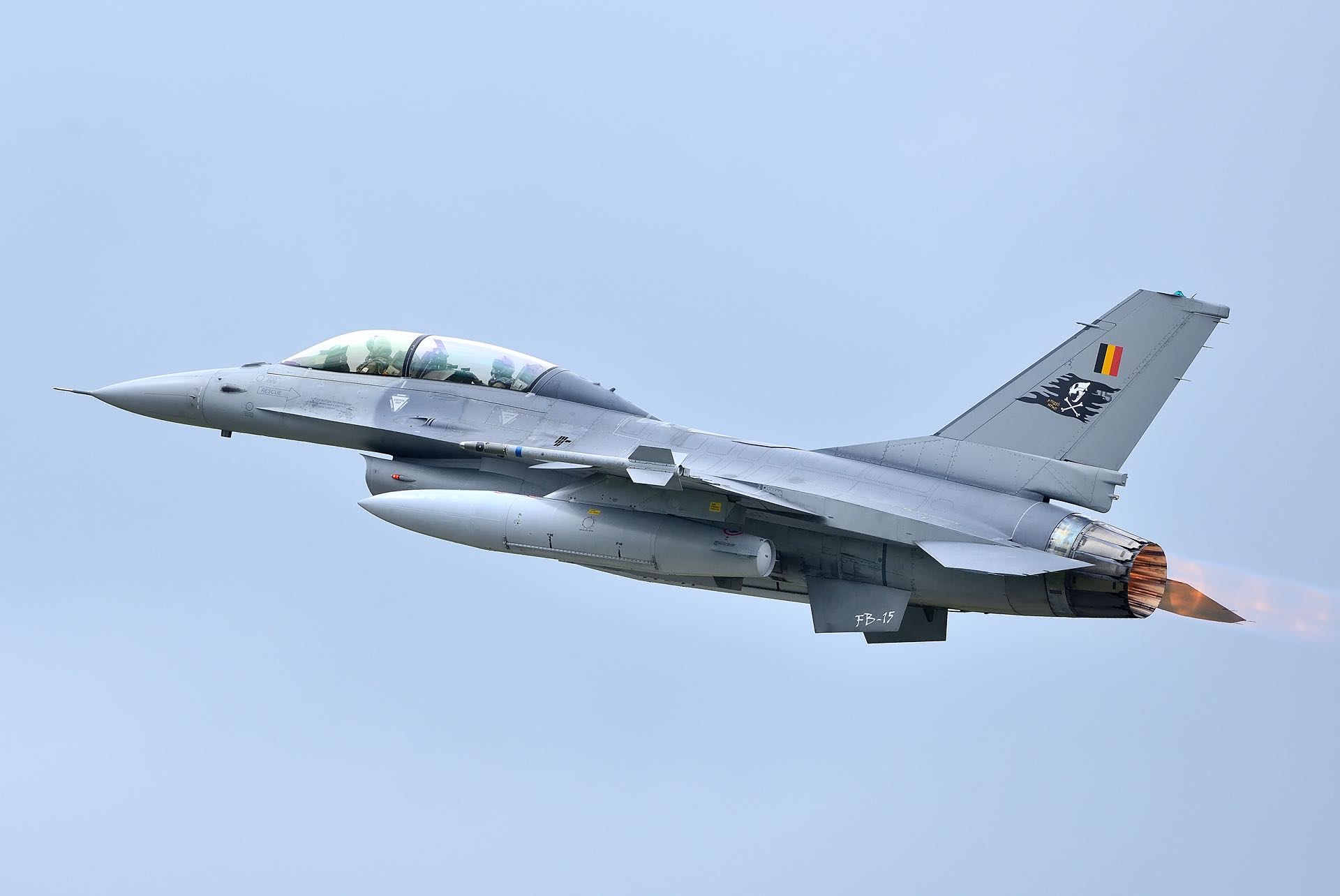
Main Image: – dsc_9218_36105992190_o
Italy’s SAFE Fund Dispute Exposes the Budget Politics Behind Europe’s Rearmament Plans