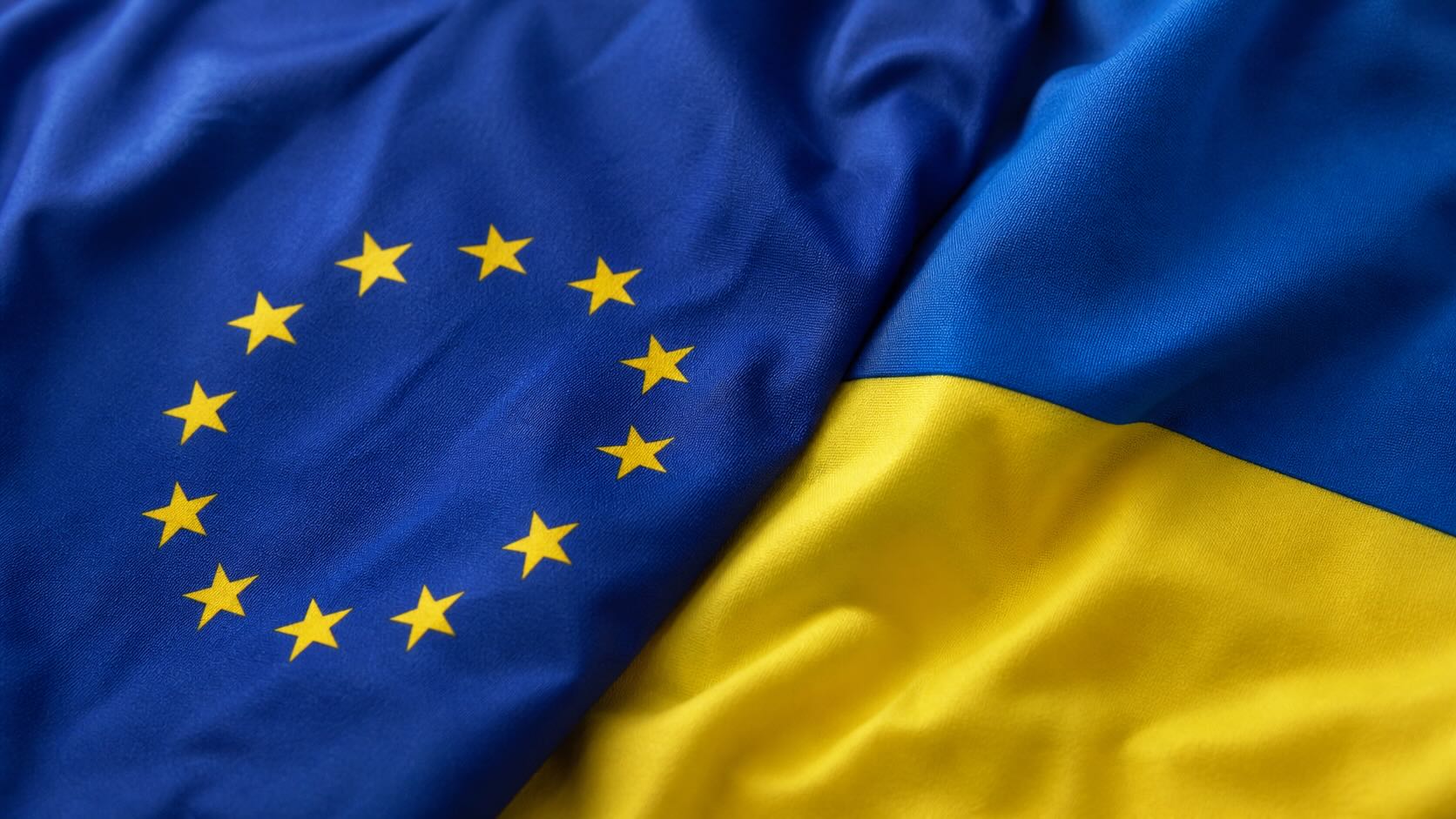
EU defence ministers are due to meet in Brussels on 12 May for talks covering military support for Ukraine, European defence readiness and the security implications of developments in the Middle East.
The agenda was confirmed in the Council’s forward look, published on 30 April. The meeting will take place in Foreign Affairs Council defence format and will also include a briefing on the outcomes of the EU’s updated threat analysis.
The discussion comes as European governments face sustained pressure to expand defence production, replenish national stocks and maintain support for Ukraine while addressing wider security demands. The agenda reflects the link now being made between immediate military assistance to Kyiv and the longer-term question of whether European states can generate the capacity required for deterrence, resilience and crisis response.
Ukraine remains the most urgent item. EU military support has included training, ammunition, air-defence assistance, equipment deliveries and financing through common instruments and bilateral national packages. The May meeting will give ministers an opportunity to review continuing requirements and the extent to which member states can sustain supply while managing their own capability gaps.
The question of readiness is likely to be central. The Council’s notice identifies EU defence readiness as a separate agenda item, indicating that ministers will look beyond Ukraine-specific support and consider Europe’s wider ability to respond to threats. Readiness covers personnel, equipment availability, stockpiles, mobilisation capacity, industrial supply chains, military mobility and command structures.
The updated EU threat analysis may provide the main framework for that discussion. Although the detailed content has not been made public in the Council’s forward look, the inclusion of the item indicates that ministers will be briefed on current assessments feeding into defence planning and capability priorities. Such assessments are relevant to procurement decisions, force posture and the allocation of limited defence resources.
The meeting will also address the situation in the Middle East and its impact on EU security and defence. This gives the agenda a wider operational dimension. Instability in the region affects maritime security, energy routes, migration pressure, counter-terrorism concerns, military deployments and the security of partner states. For European defence planners, these issues compete for attention with Ukraine and with deterrence requirements on NATO’s eastern flank.
The Defence Council will meet one day after foreign ministers discuss Russia’s war against Ukraine, the Middle East, relations with the Western Balkans and the same updated threat analysis. The sequencing suggests that the EU will address the political and diplomatic dimensions on 11 May before moving to defence-specific implications on 12 May.
In the margins of the defence meeting, High Representative Kaja Kallas will chair the European Defence Agency Steering Board. The European Defence Agency provides a forum for member states to coordinate capability development, defence research, joint procurement and industrial cooperation. Its role has become more prominent as European governments seek to increase output and reduce fragmentation in defence spending.
The practical challenge for ministers is not limited to agreeing broad priorities. EU states are operating under different budgetary conditions, industrial capacities and threat perceptions. Some are focused primarily on the eastern flank and Ukraine; others also face direct exposure to Mediterranean, Middle Eastern and maritime-security pressures. The defence-readiness discussion will have to bridge those differences while identifying areas where joint action is possible.
The meeting also takes place against the background of wider EU efforts to strengthen the European defence technological and industrial base. Those efforts include attempts to increase ammunition production, expand joint procurement, improve military mobility and reduce dependence on non-European supply chains where feasible. The central test remains whether political commitments can be converted into signed contracts, production capacity and deployable capability.
For Ukraine, the outcome will matter if ministers are able to move from discussion to concrete replenishment or delivery decisions. Kyiv’s needs remain immediate, particularly in air defence, ammunition and long-range capabilities. For the EU, the same issue raises a structural question: whether Europe can continue supporting Ukraine without exposing serious weaknesses in its own readiness.
The Middle East discussion is also likely to underline how limited European military resources must cover several theatres at once. Naval deployments, air-defence assets, surveillance capabilities and crisis-response forces cannot be treated as abstract policy instruments. They require trained personnel, maintenance, munitions, logistics and political mandates.
The May meeting should therefore be read as part of a broader shift in EU defence policy. The Union is no longer discussing capability shortfalls only as a long-term planning problem. It is doing so while supporting a major war in Europe, responding to instability around its neighbourhood and seeking to build a more credible defence-industrial base.