

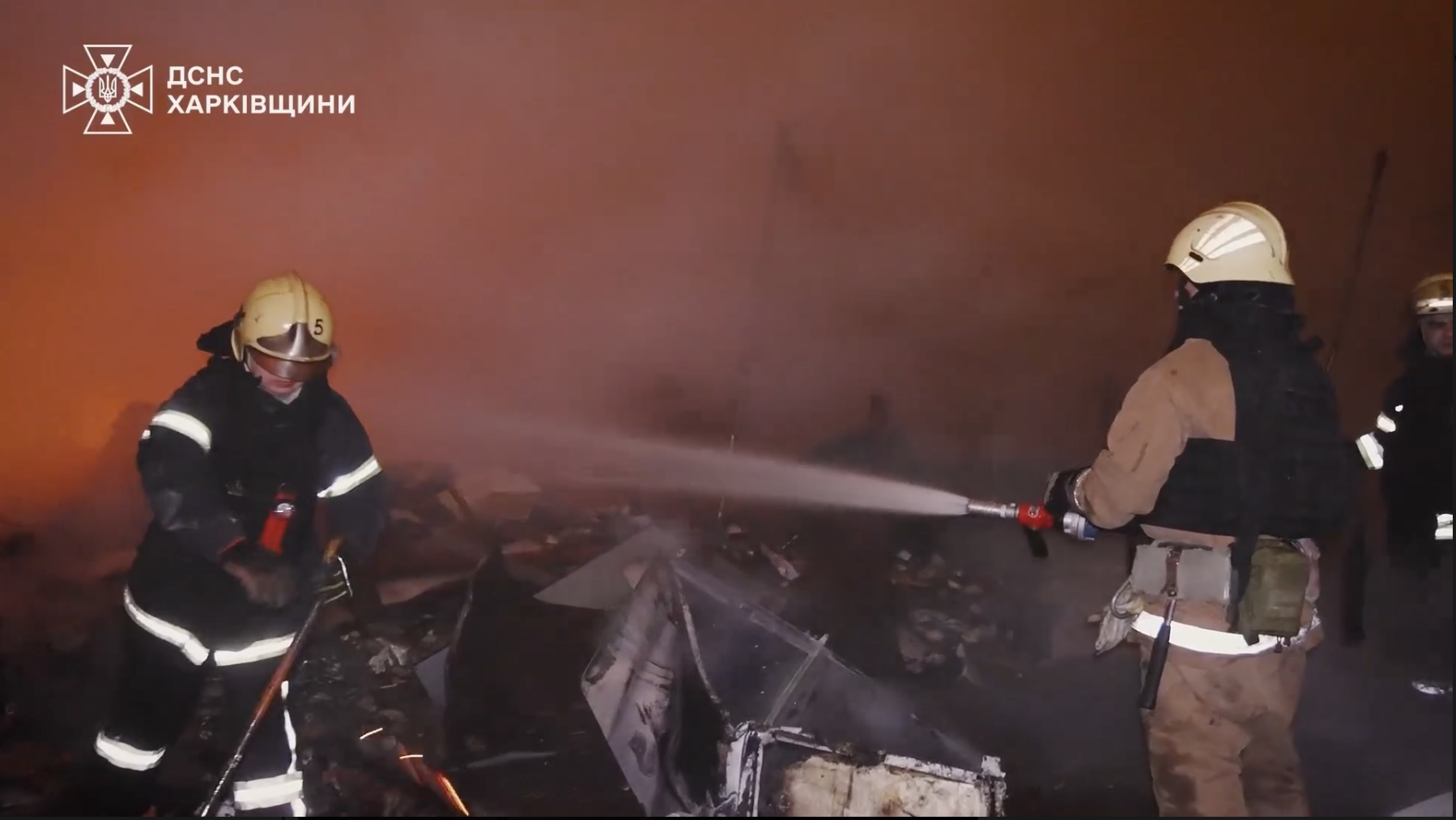
Parts of six Ukrainian regions were left without electricity on Thursday, 26 February, after what Kyiv described as a combined large-scale Russian attack on the country’s energy infrastructure.
Ukraine’s Ministry of Energy said consumers in Dnipropetrovsk, Odesa, Donetsk, Zaporizhzhia, Poltava and Kharkiv regions remained without power, while emergency repair work had already begun where security conditions permitted.
In a statement, the ministry said engineers were working to restore damaged equipment as quickly as possible. It added that hourly scheduled blackouts had been imposed in most regions, while businesses were operating under power limitation schedules. Consumers were advised to follow updates from regional electricity distribution operators.
The disruption followed one of the heaviest Russian air assaults in recent weeks. Reuters reported that Russia launched 420 drones and 39 missiles overnight, including 11 ballistic missiles, with strikes recorded at 32 locations across Ukraine. Ukrainian air defences reportedly shot down 374 drones and 32 missiles, but the scale of the barrage nevertheless caused substantial damage.
According to Reuters, the attack struck gas facilities in Poltava region as well as electricity substations in Kyiv and Dnipro regions. Railway infrastructure in frontline areas including Donetsk, Kharkiv and Zaporizhzhia was also targeted. At least 26 people were reported injured across the country, including civilians in Kharkiv, Zaporizhzhia and Kryvyi Rih.
President Volodymyr Zelenskyy said the latest barrage showed that Russia was continuing its effort to damage Ukraine’s power system through repeated, coordinated attacks. That assessment is consistent with the pattern seen over the past two winters, during which Russian forces have repeatedly targeted generation sites, substations, transmission lines and associated infrastructure in an effort to reduce supply, complicate industrial activity and increase pressure on civilian life.
The immediate consequence on Thursday was a return to controlled restrictions. Ukraine’s power system has become accustomed to operating under emergency conditions, with regional operators frequently rotating outages in order to stabilise the grid after large strikes. Even temporary losses of supply can create wider difficulties, particularly in winter, when electricity demand is tied not only to lighting and industry but also to heating, water pumping and public transport.
The six affected regions illustrate the geographic spread of the attack. Dnipropetrovsk and Poltava are important for industry and energy infrastructure; Odesa remains critical for transport and maritime activity; while Donetsk, Zaporizhzhia and Kharkiv lie much closer to the front line and have faced repeated strikes throughout the war. Damage in those areas places additional pressure on a network that has already been weakened by cumulative attacks and the constant need for emergency balancing. This is an inference based on the regions named by the ministry and the broader pattern of strikes.
The attack also has a wider European dimension. The European Parliament, in a resolution adopted this week marking four years since Russia’s full-scale invasion, said Moscow’s repeated attacks on Ukraine’s energy infrastructure amounted to a deliberate strategy to weaken civilian resilience and called on the EU and its member states to expand energy assistance to Ukraine.
That assistance has become increasingly important as Ukraine attempts to keep the system running despite sustained attrition. European support in the form of equipment, grid synchronisation and emergency electricity trade has helped Kyiv avoid prolonged nationwide collapse. Yet Thursday’s events showed that even with those measures in place, large-scale overnight strikes can still produce immediate regional outages and force nationwide restrictions.
By midday on 26 February, the full extent of the damage was still being assessed. What was already clear, however, was that another concentrated Russian strike had succeeded in disrupting electricity supply across six regions and in triggering wider emergency measures across much of Ukraine. For households and businesses alike, the result was immediate: power cuts, uncertainty over restoration, and another reminder that the country’s energy system remains a central target in the war.
First published on eutoday.net.


Britain’s Consistent Message on Ukraine Carries Growing Weight at the OSCE