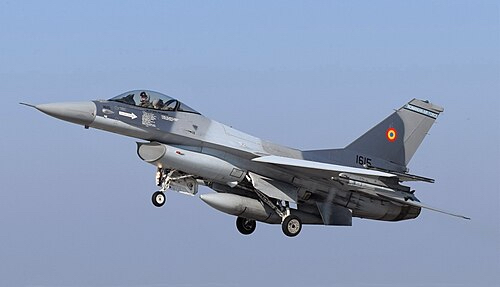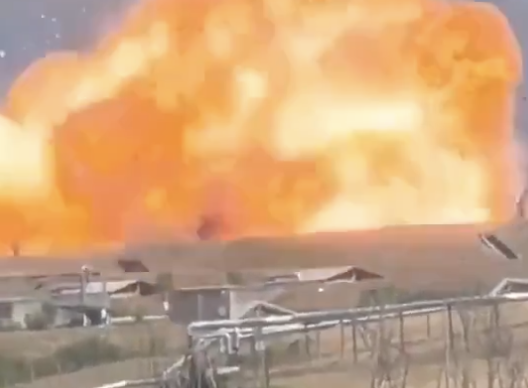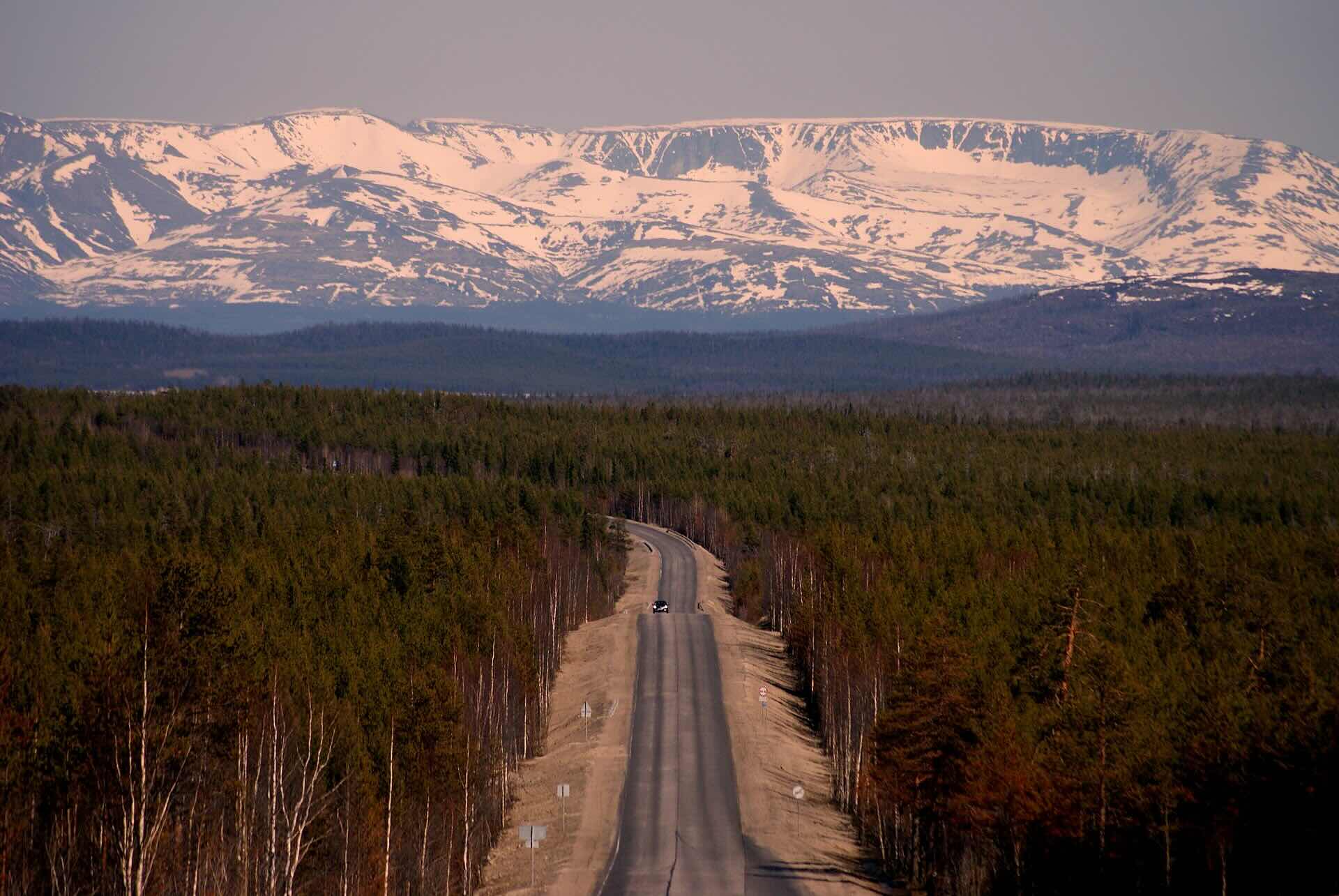
The alliance has placed the High North higher on its security agenda this year, but the practical requirements remain substantial. A recent assessment of NATO’s Arctic posture concluded that allies are trying to reassure Washington that Europe and Canada can shoulder more responsibility in the region, while still facing major gaps in icebreakers, satellites, drones, ports, runways and naval capacity.
The issue has gained prominence since NATO launched its Arctic Sentry approach earlier this year, bringing together allied activity in the High North under a single operational framework. The initiative was presented as a way to coordinate exercises, surveillance, vessels and air assets more effectively across a region where distances are vast and infrastructure is sparse.
The problem is that coordination does not itself create capability. Arctic operations require equipment that can function in extreme cold, darkness, ice, poor communications and long distances from repair or support. Ships need reinforced hulls and suitable logistics. Drones need batteries, sensors and communications links that can survive Arctic conditions. Submarines and anti-submarine aircraft need persistent surveillance over a theatre where Russia has long-established bases and nuclear assets.
Russia has invested heavily in the region over the past decade, reopening or upgrading Soviet-era facilities and maintaining a large icebreaker fleet. Its Kola Peninsula remains central to Russia’s nuclear deterrent and North Atlantic military posture. For NATO, the region is not peripheral. It is linked to transatlantic reinforcement, submarine routes, air and missile warning, undersea infrastructure and the security of Norway, Finland, Sweden, Denmark, Iceland, Canada and the United States.
The scale of the challenge was visible in March, when more than 30,000 troops took part in Arctic exercises in Norway. Such drills test winter warfare skills and allied coordination, but they also expose the limits of temporary deployments. NATO can surge troops for exercises. Sustaining presence, surveillance and rapid response across the Arctic is a different matter.
The alliance’s northern posture has changed sharply since Finland and Sweden joined NATO. Their membership has strengthened allied access, planning and regional expertise. NATO has also established a multinational presence in Finland, led by Sweden, as part of its Forward Land Forces along the eastern and northern flanks. That gives the alliance more depth, but it also expands the area that must be monitored and defended.
The Arctic debate is also linked to changing expectations from Washington. The United States has pressed European allies and Canada to provide more naval and air assets for NATO defence plans. A senior US commander said this month that allies would be expected to increase their contribution of manned and unmanned aircraft and ships as Washington reduces the pool of US capabilities available to NATO in a crisis. That shift has direct implications for the High North, where American assets have long been central to surveillance, mobility and deterrence.
European allies are responding, but slowly. Denmark has announced increased military activity in and around Greenland, while Canada and Nordic countries are expanding Arctic planning. Britain has pledged a stronger role in NATO’s High North posture. But the material shortfalls are not easily closed. Icebreakers take years to build. Arctic-capable drones require specialised testing. Ports, airfields, fuel storage and communications systems need investment. Satellites and undersea sensors require procurement decisions that compete with other urgent defence priorities, including air defence, ammunition stocks and support for Ukraine.
That competition for resources is central to the issue. NATO’s Arctic requirements are growing at the same time as allies are trying to rebuild depleted stockpiles, expand drone production, modernise land forces and increase air defence capacity. The High North cannot be isolated from the wider defence-industrial problem facing Europe: money is now available in larger quantities, but production capacity, delivery timelines and skilled labour remain constraints.
For European defence planners, the immediate question is not whether the Arctic matters. That has largely been settled. The question is whether the alliance can build a credible northern defence architecture before the operating environment changes further. Melting sea ice is opening routes and extending access. Russia remains entrenched. China has shown increasing interest in Arctic shipping, resources and scientific infrastructure. Critical undersea cables, energy assets and maritime routes add further vulnerability.
NATO’s answer will depend less on summit language than on procurement. The alliance needs more persistent surveillance, more cold-weather platforms, stronger maritime logistics and better integration between Nordic, North American and British capabilities. It also needs to decide which missions are most urgent: detecting submarines, protecting undersea infrastructure, securing reinforcement routes, monitoring Russian bases, or maintaining a permanent presence in remote areas.
The risk is that the Arctic becomes another area where NATO recognises the threat before it has the tools to manage it. The alliance has the geography, expertise and industrial base to improve its position. What it lacks is time. The High North is no longer a future theatre. It is already part of the contest over deterrence, infrastructure and strategic access between Russia and the West.