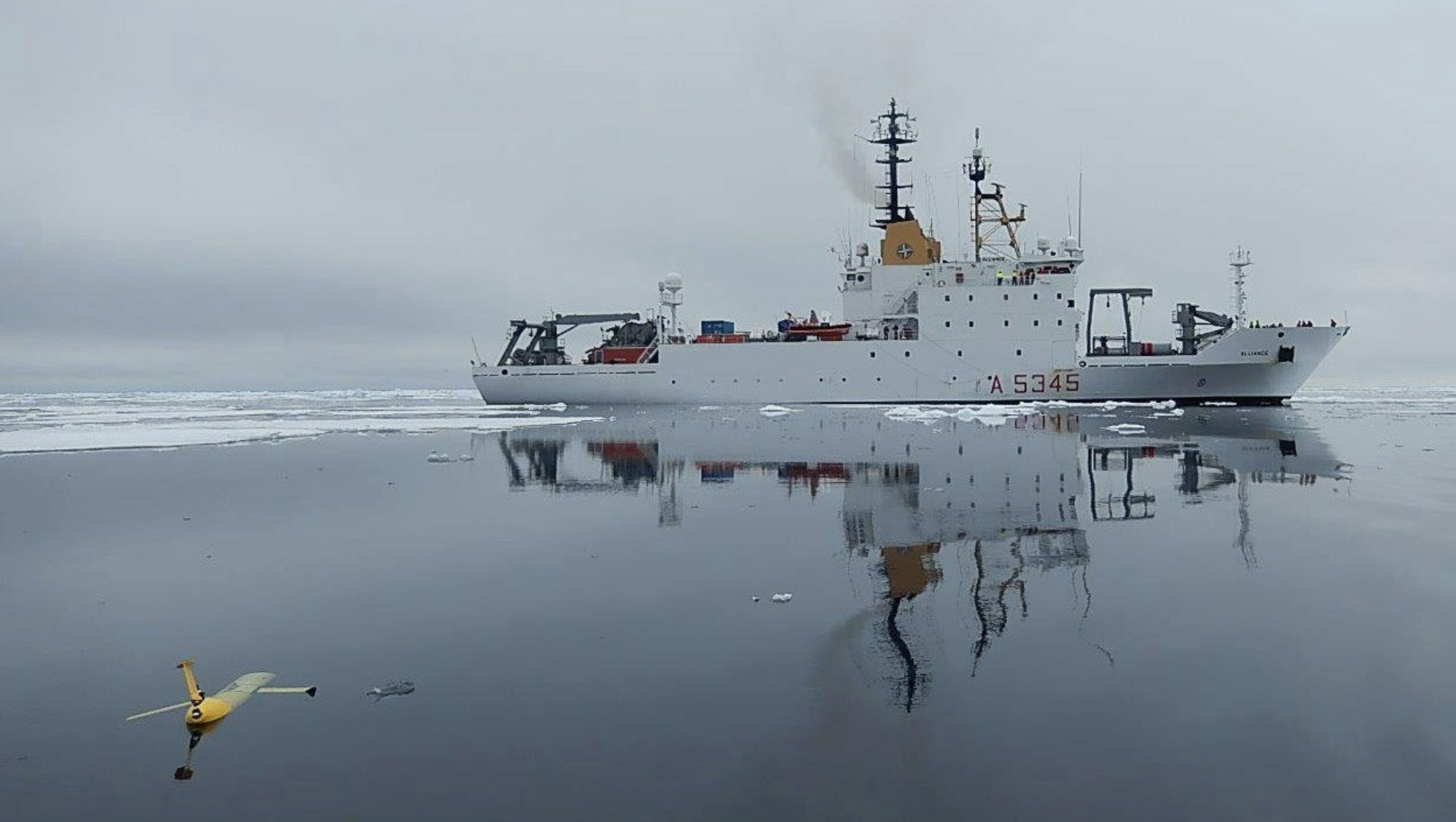
The departure of the NATO research vessel Alliance from the Italian naval base at La Spezia marks the beginning of Task Force X-Arctic, a programme designed to accelerate the deployment of emerging technologies in one of the world’s most challenging environments. The initiative forms part of NATO’s Rapid Adoption Action Plan, approved at the alliance’s 2025 summit in The Hague, which seeks to shorten the journey from technological innovation to operational capability.
While NATO officials have framed the project primarily as an exercise in innovation, the broader geopolitical context is impossible to ignore. The Arctic has become one of the most strategically significant regions on the planet. Melting sea ice is opening previously inaccessible maritime routes, exposing vast natural resources and creating new opportunities for commercial shipping. At the same time, the region has become an increasingly important arena for military competition.
Seven of the eight Arctic nations are now members of NATO following the accession of Finland and Sweden. That transformation has fundamentally altered the alliance’s northern posture. What was once a collection of largely national security concerns has evolved into a contiguous NATO strategic space stretching from North America through the Nordic region and into the Baltic.
Task Force X-Arctic builds upon an experimental model first developed elsewhere within NATO. Rather than relying exclusively on traditional military procurement cycles, the programme seeks to integrate commercially available technologies, autonomous systems and advanced sensor networks into operational deployments at a much faster pace. The emphasis is on experimentation in real-world conditions, allowing military planners to evaluate emerging capabilities before committing to large-scale acquisition programmes.
The Arctic presents a particularly demanding proving ground. Communications infrastructure remains sparse, weather conditions are often extreme, and distances are vast. Yet these same challenges make the region an ideal environment for testing autonomous maritime systems, advanced surveillance technologies and new methods of gathering and sharing intelligence across allied forces.
The timing is significant. NATO has spent much of the past year expanding its presence in the High North through a series of initiatives. Earlier this year the alliance launched Arctic Sentry, a multi-domain activity designed to enhance coordination across air, land, maritime, cyber and space domains. The programme aims to improve situational awareness while ensuring critical sea lines of communication remain secure.
Meanwhile, the alliance has strengthened its command infrastructure in northern Europe, including the establishment of a new Combined Air Operations Centre in Norway and the development of forward land forces in Finland. These measures reflect a growing consensus among allied governments that the northern flank can no longer be viewed as a secondary theatre.
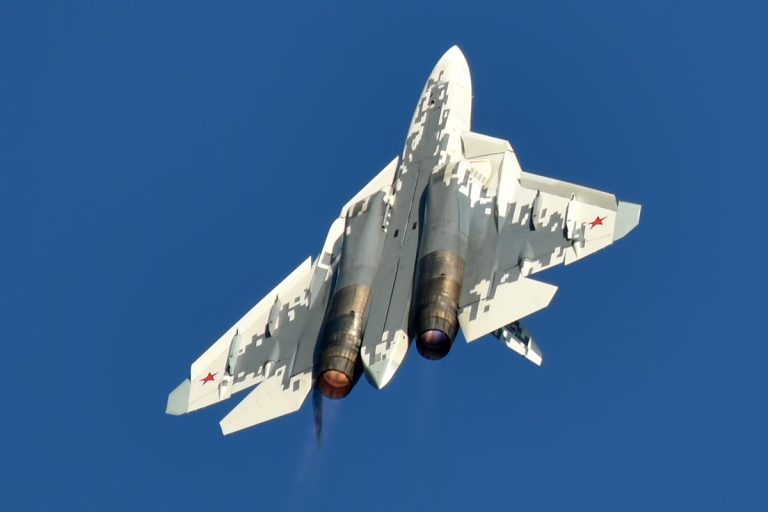
Russia remains the principal driver of NATO’s concerns. Moscow has invested heavily in Arctic military infrastructure over the past decade, reopening Soviet-era bases, expanding airfields and ports, and deploying new capabilities across its northern territories. The Arctic also provides access to Russia’s strategic submarine fleet, making the region crucial to the Kremlin’s nuclear deterrent posture.
China’s growing interest in Arctic shipping routes and natural resources has added another layer of complexity. Although Beijing is not an Arctic state, its ambitions have prompted NATO planners to view the region through a broader lens of strategic competition extending beyond Europe alone.
Against this backdrop, Task Force X-Arctic represents more than a technology demonstration. It signals a wider shift in how NATO intends to operate in the coming decade. The alliance increasingly recognises that future security challenges will depend as much upon information dominance and rapid technological adaptation as on traditional force structures.
That reality is evident across NATO’s current exercise programme. Large-scale air and maritime drills are already under way across northern Europe, while command exercises have recently focused on testing alliance plans for operations in Arctic conditions. Together they point towards a military organisation preparing for a security environment in which the High North occupies a far more prominent role than at any time since the Cold War.
For policymakers, the message is clear. As climate change reshapes geography and strategic competition intensifies, the Arctic is no longer a remote frontier. It is becoming a frontline region where technological innovation, military preparedness and geopolitical rivalry increasingly converge.
Task Force X-Arctic may be modest in scale, but it reflects a profound shift in NATO thinking. The alliance is preparing not merely to monitor the Arctic’s transformation, but to shape the security architecture that emerges from it.
Main Image: NATO