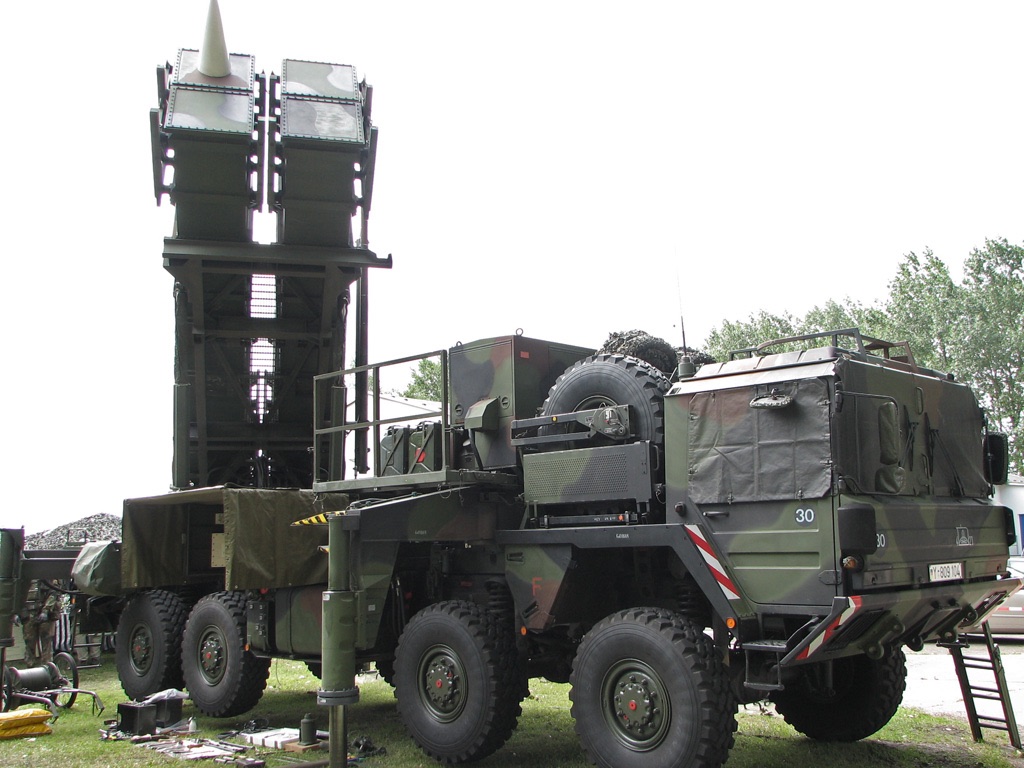
President Volodymyr Zelenskyy has said Raytheon is interested in helping Ukraine produce Patriot interceptors, following President Donald Trump’s statement that a production licence would be granted. Reuters reported that the comments mark a possible shift from emergency air-defence supply toward industrial participation, though the details of licensing, technology transfer and production stages remain unclear.
The distinction is crucial. Receiving Patriot interceptors is a logistics problem. Producing them is an industrial, legal, technical and security problem. Ukraine needs missiles now to protect cities, power stations, military facilities and critical infrastructure from Russian ballistic and cruise missiles. Local or joint production would not solve the immediate shortage, but it could change the long-term support equation if implemented seriously.
Defence Matters has already examined why domestic PAC-3 production would not solve Ukraine’s immediate missile shortage. That remains true. A Patriot interceptor is not a shell or a simple rocket motor. It is a precision weapon built around seekers, guidance systems, propulsion, control surfaces, electronics, software, explosives and rigorous testing. A licence announcement does not instantly create certified output.
Still, Raytheon’s reported interest matters because it points to the most realistic path: staged participation. Ukraine may begin with maintenance, component repair, subassembly, storage, testing support or production of less sensitive parts before moving toward deeper manufacturing. Full interceptor production would require technology transfer that Washington and RTX would review carefully.
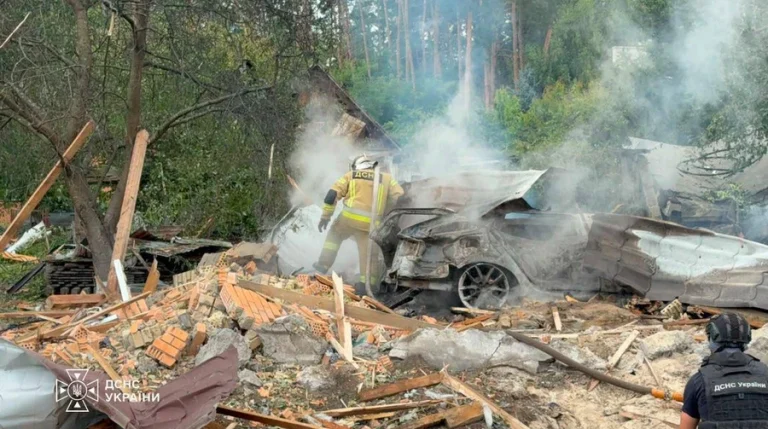
The security environment is the first barrier. Any Ukrainian production facility connected to Patriot interceptors would be a high-priority Russian target. It would need air defence, hardened structures, concealment, redundancy, cyber protection and rapid repair capacity. Producing air-defence missiles inside a country under missile attack is strategically attractive but operationally dangerous.
The second barrier is certification. Patriot interceptors must work with launchers, radars, command systems and engagement doctrine. A defective missile is not merely wasteful; it can allow a ballistic missile through. Quality assurance therefore cannot be improvised. Ukraine’s impressive wartime defence-industrial adaptation does not remove the need for strict testing and approval.
The third barrier is supply-chain access. Critical components may come from US, European or Asian suppliers. Some may be subject to export controls or bottlenecks. Even if Ukraine assembles parts locally, it may still depend on foreign seekers, chips, propulsion elements or warhead components. Local production can reduce dependence, but it may not eliminate it.
The political logic is nevertheless strong. Western allies have struggled to provide enough interceptors because their own stockpiles are limited and production lines were sized for peacetime. Ukraine’s air-defence demand is continuous. If Ukraine can help produce interceptors, even partially, it becomes less of a recipient and more of a partner in expanding the arsenal.
That would also affect Europe. European states rely on Patriot for their own air and missile defence and are now trying to rebuild inventories while supporting Ukraine. A Ukrainian production role could either relieve pressure by adding capacity or complicate allocation if components are diverted from existing NATO needs. The design of the production arrangement will decide which effect dominates.
Trump’s licensing statement adds political momentum, but it also raises expectations that may outrun implementation. Defence-industrial agreements require contracts, liability rules, intellectual-property protections, security vetting, financing and export-control approvals. A political promise can open the door. Engineers and lawyers then decide how far it actually opens.
For Raytheon, the opportunity is strategic and commercial. Helping Ukraine produce interceptors could strengthen a major customer relationship, expand allied capacity and demonstrate responsiveness in wartime. But the company must protect technology, quality and programme reputation. A failed or delayed production effort would be damaging because Patriot performance is politically visible.
For Ukraine, the opportunity is sovereignty. Air defence has become one of the clearest measures of survival. A country that depends entirely on foreign interceptor allocations remains vulnerable to allied politics, production delays and competing crises. A country that participates in production gains leverage, even if it still depends on foreign inputs.
The immediate test will be specificity. Which interceptor type is involved? PAC-2, PAC-3, GEM-T or another component path? Which production stages would occur in Ukraine? What timeline is realistic? Who funds the facility and protects it? Without answers, the announcement remains aspirational. With answers, it could become one of the most important defence-industrial shifts of the war.