A Ukrainian intelligence claim that Russia is preparing to receive 30,000 additional North Korean personnel raises questions about their likely role, training and cost to Moscow.
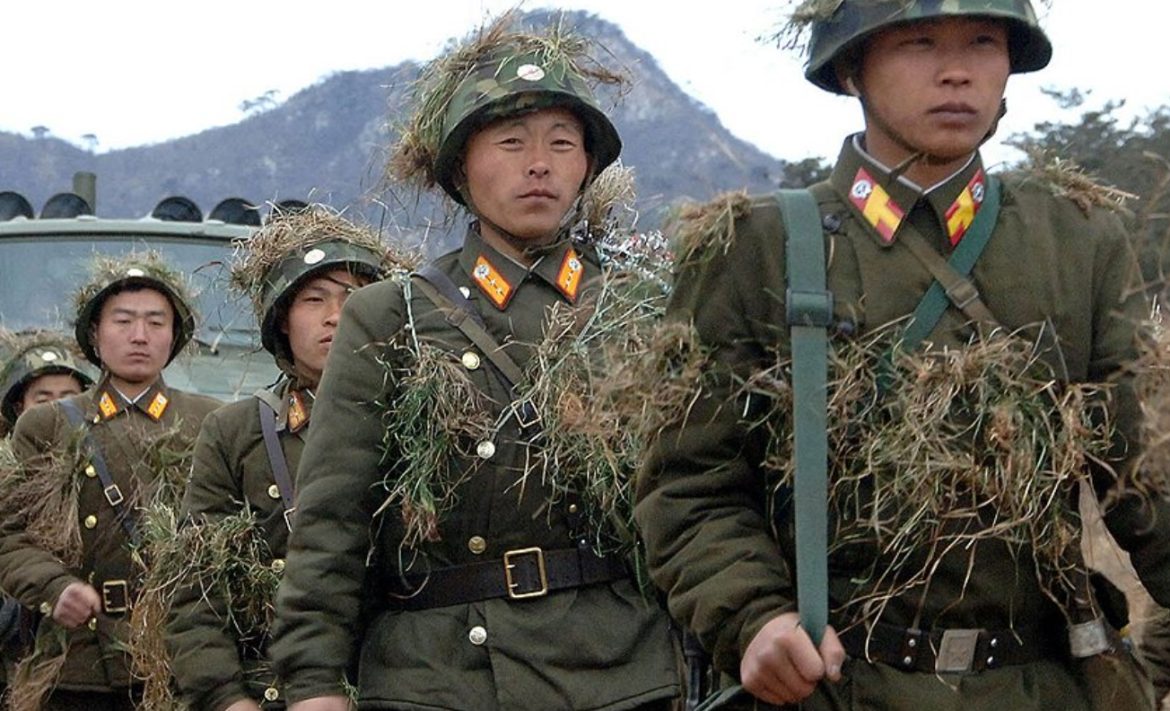
Russia is preparing to receive as many as 30,000 additional North Korean troops for its war against Ukraine, according to President Volodymyr Zelenskyy, a deployment that would more than double Pyongyang’s reported direct contribution to Moscow’s manpower pool.
Zelenskyy made the claim on 25 July and said Russia was already making preparations for the personnel. Reuters reported the announcement while noting that approximately 14,000 North Korean soldiers had previously been sent to fight alongside Russian forces in the Kursk region under the two countries’ mutual defence agreement.
The figure has not been independently confirmed, and neither Moscow nor Pyongyang had published a detailed mobilisation or deployment plan when this article was prepared. It should therefore be treated as an intelligence claim, not an established order of battle.
Even with that qualification, 30,000 is too large a number to dismiss as symbolic. If deployed, the force could fill several different functions: infantry replacement, rear-area security, engineers, artillery personnel, drone operators, logistics troops or a combination of these. Its strategic value would depend less on the headline number than on training, command arrangements and the tasks Russia assigns.
Thirty thousand personnel is roughly the scale of two conventional divisions, but it would be misleading to assume Russia will receive two cohesive, fully equipped North Korean formations.
The earlier deployment reportedly involved North Korean personnel operating with Russian forces in Kursk. Language barriers, unfamiliar equipment and different tactical practices complicate integration. A larger contingent would require translators, liaison officers, transport, accommodation, medical support and a defined command relationship.
Russia could reduce these difficulties by keeping North Korean units relatively intact and assigning them geographically limited missions. The Kursk region offers an obvious precedent because Moscow can describe operations there as defence of Russian territory, a framing that may be politically easier for Pyongyang than sending troops openly into occupied Ukrainian regions.
Alternatively, personnel could be distributed among Russian formations. That might address specific shortages, but it would increase command and communication problems. Infantry replacements with limited local knowledge and insufficient combined-arms training can add numbers without adding equivalent combat power.
Defence Matters previously examined how North Korean casualties exposed Russia’s hidden manpower bill. The latest claim points to a possible second stage in the arrangement: North Korea may be becoming a recurring source of force generation rather than a one-off reinforcement.
The most politically visible use would be assault infantry. It is not necessarily the most militarily efficient.
Russia has developed a labour-intensive model of operations in which small groups probe, infiltrate and repeatedly attack Ukrainian positions. That approach generates a continuing demand for personnel. North Korean troops could absorb part of that burden and allow Russian units to rest, reorganise or deploy elsewhere.
There are also less visible roles with potentially greater effect. Engineers can build fortifications, clear routes and maintain supply lines. Artillery crews would draw on North Korea’s substantial experience with Soviet-derived systems. Logistics units could release Russian soldiers for combat duties without appearing prominently at the front.
Drone warfare presents another possibility. Russia’s uncrewed-systems forces require operators, technicians, communications specialists and large numbers of support staff. However, transferring personnel into those roles would demand equipment-specific training and secure integration into Russian targeting networks.
The key analytical question is therefore not simply where North Korean troops appear. It is which Russian bottleneck they are intended to relieve.
A deployment of this scale would not be an act of charity. North Korea may seek fuel, food, currency, weapons technology, space expertise, air-defence assistance or practical combat knowledge.
Battlefield experience has value of its own. North Korean officers can observe drone-saturated warfare, electronic countermeasures, dispersed logistics and the vulnerability of traditional formations. Lessons brought home could affect planning on the Korean peninsula.
Russia, meanwhile, gains manpower without announcing another politically costly domestic mobilisation. The arrangement therefore converts Russian technology and resources into personnel while giving Pyongyang access to operational knowledge it could not acquire through exercises alone.
This exchange has implications beyond Ukraine. Defence Matters reported in 2024 that Seoul assessed 10,000 North Korean troops had deployed near the Russia–Ukraine border. What was then an extraordinary development risks becoming institutionalised.
South Korea, Japan and the United States will want to determine whether Russia is compensating North Korea with capabilities that alter the regional balance. Satellite technology, submarine support, advanced aircraft knowledge or improved missile defences would matter far beyond the European battlefield.
A 30,000-person movement should eventually produce observable indicators. These might include rail traffic, chartered shipping or aircraft, expanded training sites, new camps, equipment issues and changes in North Korean unit readiness at home.
South Korean intelligence will be especially important. So will commercial satellite imagery and subsequent prisoner, casualty or unit records. NATO governments should avoid repeating the figure as confirmed until those indicators emerge.
Ukraine also has an interest in publicising the threat. A large prospective deployment supports Kyiv’s argument that the war is internationalising and that European assistance should not be reduced. That does not make the intelligence wrong, but it reinforces the need to separate what is known, assessed and inferred.
The most important implication may be political. Preparations for 30,000 foreign troops would suggest Moscow is planning for continued high personnel demand rather than an imminent end to major combat.
It would also demonstrate that sanctions and diplomatic isolation have not prevented Russia from assembling an external support network. Iran has supplied or enabled drone capability; North Korea has provided ammunition and personnel; China remains central to industrial inputs even where it denies supplying lethal weapons.
Ukraine’s partners need a response proportionate to the evidence. That includes tracking the deployment, exposing the compensation Russia provides and strengthening sanctions against the transport, financial and procurement channels supporting it. It also means helping Ukraine exploit the command and logistical vulnerabilities created by a foreign contingent.
Thirty thousand additional personnel would not decide the war automatically. Poorly integrated troops can become a burden, and numbers cannot replace leadership, equipment or tactical competence. But they can sustain an attritional strategy and free other Russian forces for combat.
If Zelenskyy’s warning is confirmed, North Korea will no longer be merely assisting Russia’s war. It will be participating in Moscow’s force-generation system at a scale that changes security calculations in both Europe and East Asia.