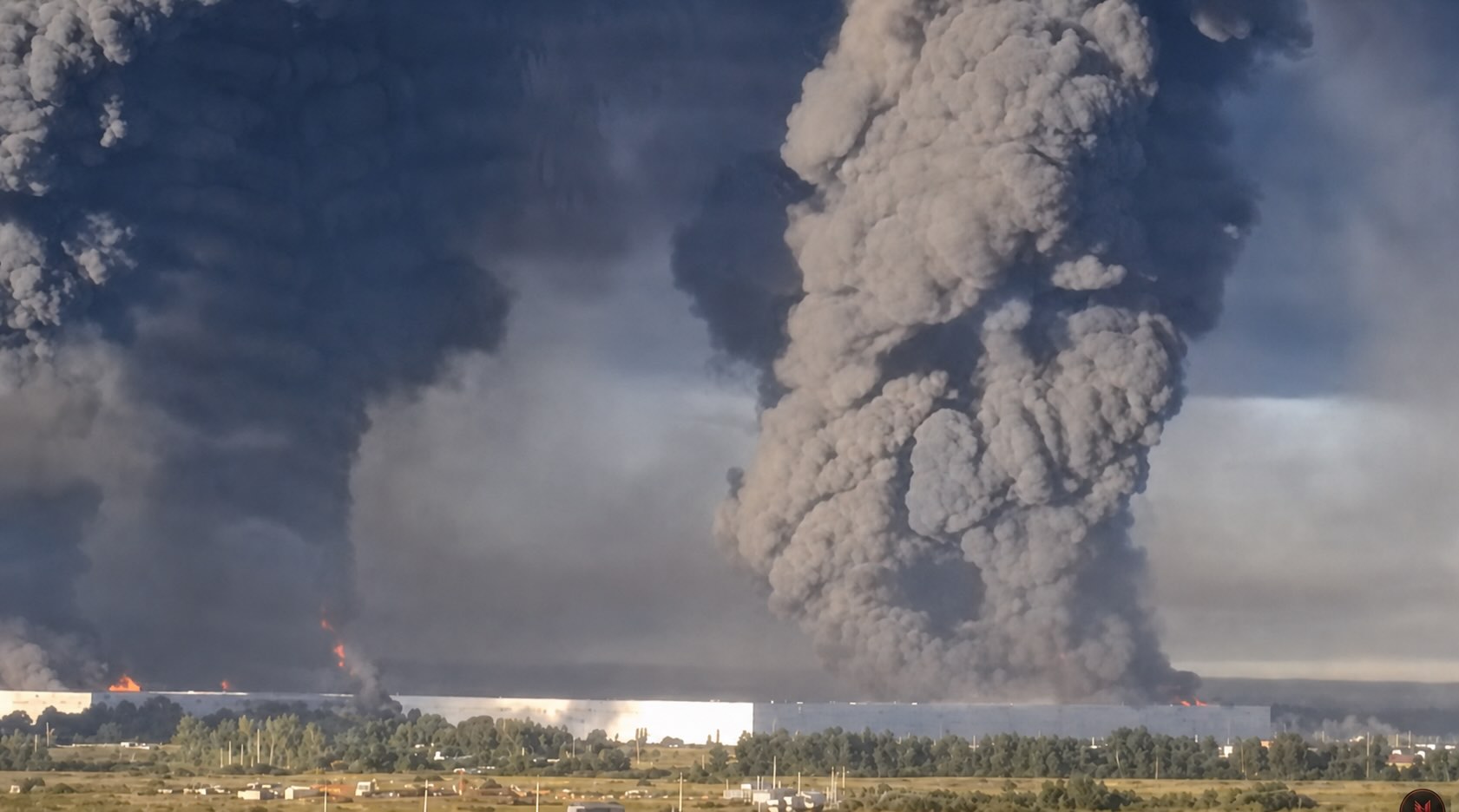
Ukrainian drone attacks on Russian warehouse facilities have killed seven workers and injured dozens more, according to Russian authorities, while Kyiv says the sites were linked to Russian drone production and navigation equipment.
Reuters reported on 18 July that Russian officials said the attacks killed seven warehouse workers and injured 49 people. Ukrainian officials said the targets supplied components and navigation equipment used in Russian drones. The competing claims could not be independently confirmed in full.
The case is operationally significant because it sits in the grey zone between civilian logistics and military supply chains. Warehouses, electronics distributors, industrial parks and transport hubs may perform ordinary commercial functions while also supplying military production. Targeting such facilities can disrupt weapons output, but it also raises legal, political and information-war risks when civilian employees are killed.
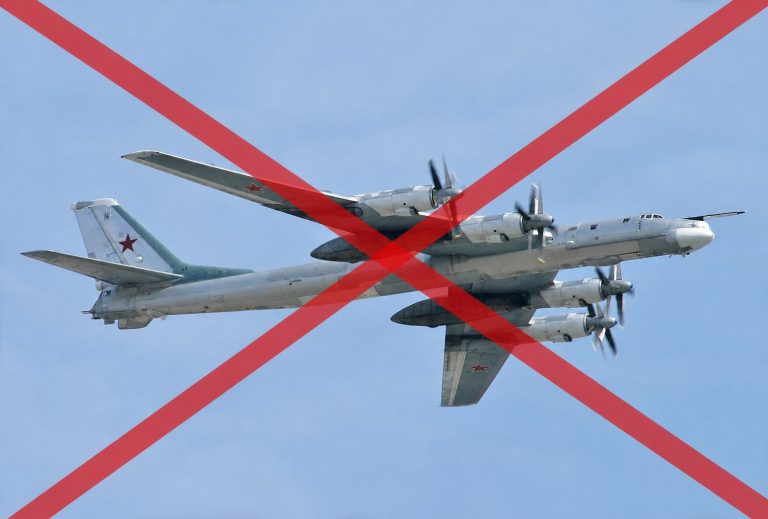
Defence Matters has recently covered Ukraine’s long-range drone campaign, including the reported destruction of a Tu-95 bomber at Engels airbase. The warehouse attacks are different because the targets are not airbases or refineries. They appear to involve the commercial logistics layer that supports Russia’s war industry.
Ukraine has increasingly focused on the systems that keep Russian strikes moving: refineries, fuel chains, electronics suppliers, airfields and transport nodes. That reflects a campaign logic aimed at raising the cost and reducing the tempo of Russian attacks.
The legal and political issue is target classification. If a facility makes an effective contribution to military action, it can become a military objective under the laws of war. But the burden of explanation rises when the site also contains civilian workers or serves non-military customers.
Russia will use casualty reports to portray the strikes as attacks on civilians. Ukraine will argue that the facilities supported drone production and therefore formed part of Russia’s military supply chain. Independent verification of the sites’ function will be central to assessing those claims.
Russian forces have themselves repeatedly struck Ukrainian warehouses, residential areas and civilian infrastructure, including food-production sites, schools, clinics, ambulances, ports and energy facilities. Russia generally says it is attacking military or military-logistics targets, but the resulting civilian toll and damage make target classification equally important when assessing its campaign. The UN Human Rights Monitoring Mission recorded 274 civilians killed and 1,763 injured in Ukraine in May 2026, with long-range missiles and drones accounting for 45 per cent of those casualties. Recent Russian attacks have also hit storage buildings and warehouses in Kyiv and a dairy factory producing food for civilians.
The episode illustrates how modern war stretches across ordinary infrastructure. A drone is not only assembled in a factory. It depends on chips, navigation modules, depots, transport firms and warehouses. That makes logistics a battlefield, and it makes verification harder.