Ukraine has signalled that its long-range drone campaign against Russian energy infrastructure and military assets around occupied Crimea is entering a more systematic phase, following another strike on the Black Sea port of Tuapse.
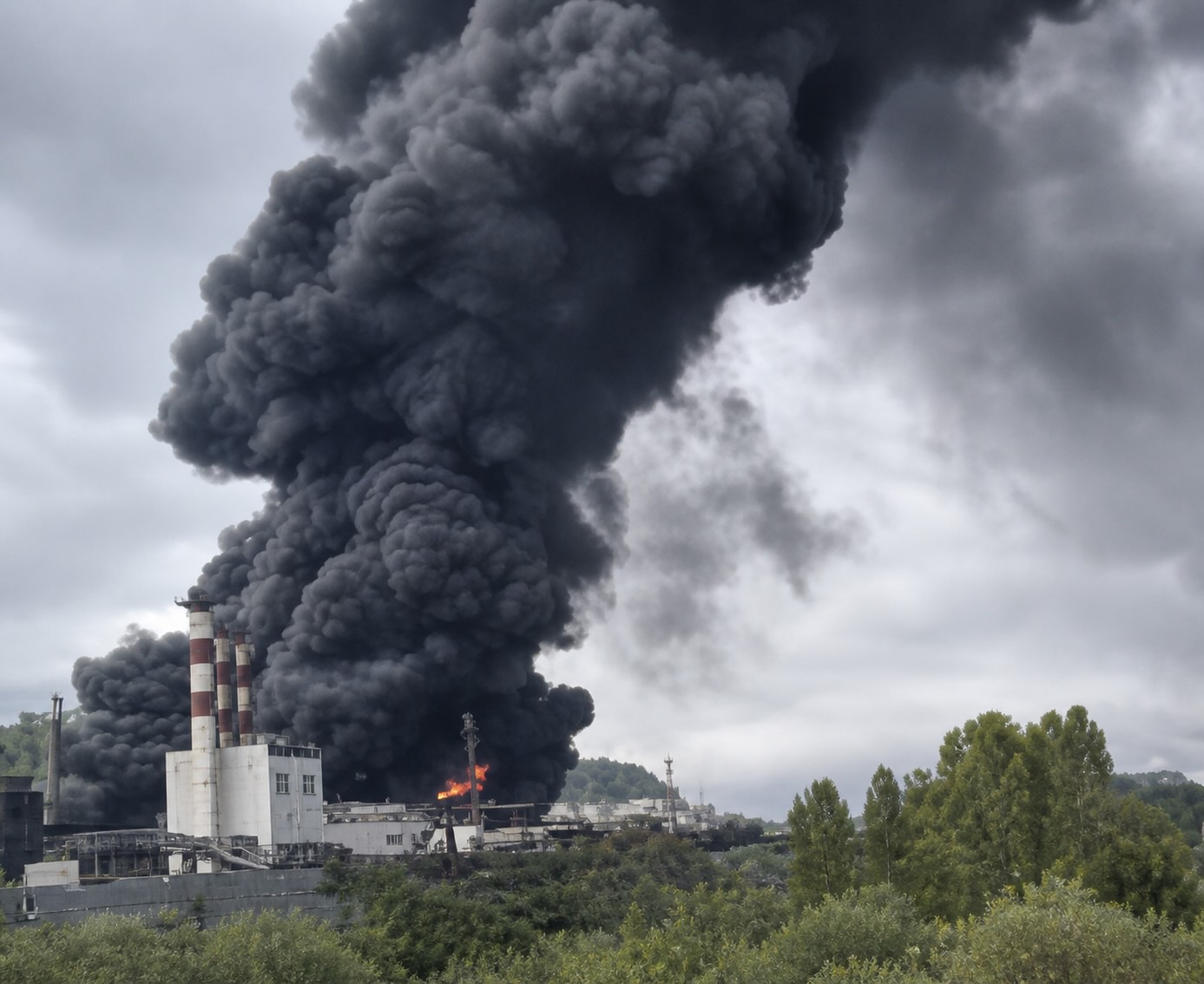
Robert “Madyar” Brovdi, commander of Ukraine’s Unmanned Systems Forces, confirmed the latest attack on Tuapse, describing it as “Tuapse, Chornobaivka style, 4.0” — a reference to the repeated Ukrainian strikes on Russian forces at Chornobaivka airfield near Kherson in 2022. The phrase is now used in Ukrainian military commentary to denote repeated attacks on the same target after Russia attempts to restore operations or reinforce its defences. Ukrainian and Russian reports said drones hit the maritime terminal in the early hours of May 1, the fourth such attack on the site in two weeks. Russian regional authorities said a fire broke out and that 128 personnel and 41 pieces of equipment were involved in firefighting operations. No casualties were reported, according to Ukrinform.
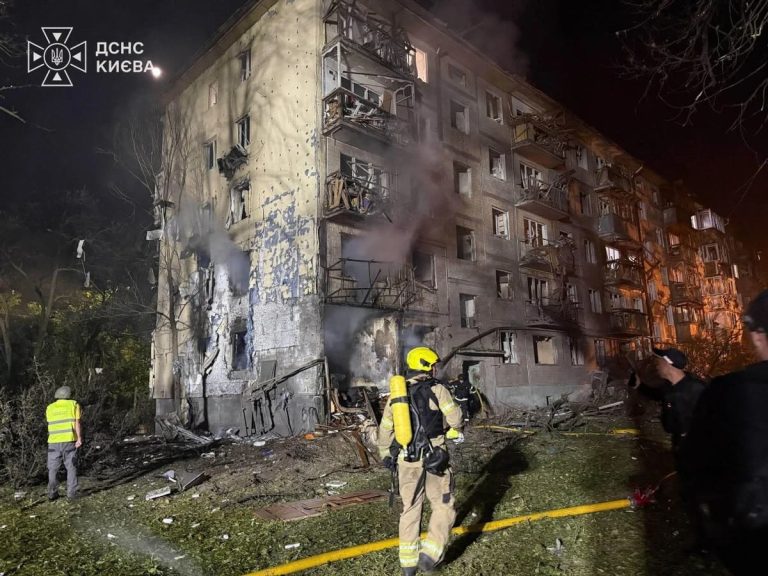
The repeated attacks on Tuapse mark a continuation of Kyiv’s strategy of targeting Russia’s oil-processing, storage and export capacity. Reports from the city described blackouts and disruption to internet services after the latest strike, while earlier attacks on the refinery and terminal had already prompted concern over pollution and damage to storage infrastructure. Reuters reported that the city faced toxic consequences after previous attacks, including fires and oil contamination.
In the Ukrainian commentary surrounding the strike, the Tuapse attacks were presented not as isolated operations but as an attempt to degrade a strategic facility over time. The argument advanced was that, as long as Russia continues to attack Ukrainian cities and energy infrastructure, Ukrainian drones will continue to target facilities that support Moscow’s war economy.
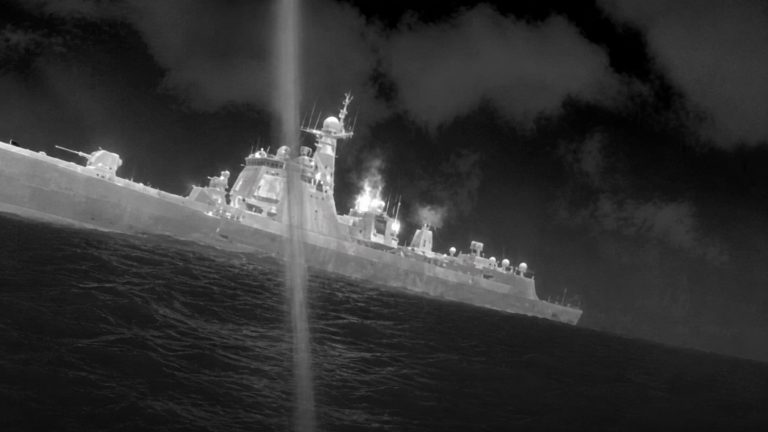
The same logic is being applied to occupied Crimea. Ukrainian naval forces struck Russian vessels involved in protecting the Kerch Bridge on the night of April 29-30. Ukrainian reports identified the targeted craft as Sobol and Grachonok patrol boats, both connected to the bridge’s security system. The Sobol is designed for high-speed surface patrols, while the Grachonok class is used for anti-sabotage tasks, including protection against underwater threats, according to Ukrainska Pravda.
For Kyiv, the Kerch Bridge remains a strategic target because of its military and symbolic importance to Russia’s occupation of Crimea. The destruction or disabling of assets assigned to protect it fits a broader pattern: attacks on air defence systems, radar stations, landing ships and patrol craft intended to reduce Russia’s ability to defend the peninsula and its connecting infrastructure.
Ukraine has also reported strikes on Russian military equipment beyond Crimea. Recent Ukrainian claims include attacks on a Tor air defence system in the south and Mi-28 and Mi-17 helicopters in Russia’s Voronezh region. Ukrainian officials have generally used cautious wording, often saying equipment was “hit” rather than “destroyed”, pending further assessment from reconnaissance, satellite imagery and other sources. Details of the Voronezh strike were reported by Militarnyi.
The wider campaign coincides with a debate inside Ukraine over the effectiveness of its own lower-tier air defence against Russian Shahed-type drones. Colonel Pavlo Yelizarov, deputy commander of the Ukrainian Air Force, said that 170 out of more than 300 drone-interceptor crews had not recorded a single shoot-down over the past year. The Air Force later said some units were experienced and effective, while others were still being formed, trained and equipped, according to Ukrinform.
Ukrainian officials say the system is being reorganised. The emerging model is not limited to interceptor drones. It includes mobile fire groups, electronic warfare, radio-electronic intelligence, man-portable air defence systems, helicopters and light aircraft adapted for counter-drone missions. The aim is to intercept Russian drones earlier, before they reach major cities or strategic targets.