The US–South Korean command-post exercise will end on 21 August instead of 27 August, with its second phase cancelled and some field activity reduced. The Pentagon says essential readiness objectives will still be met.
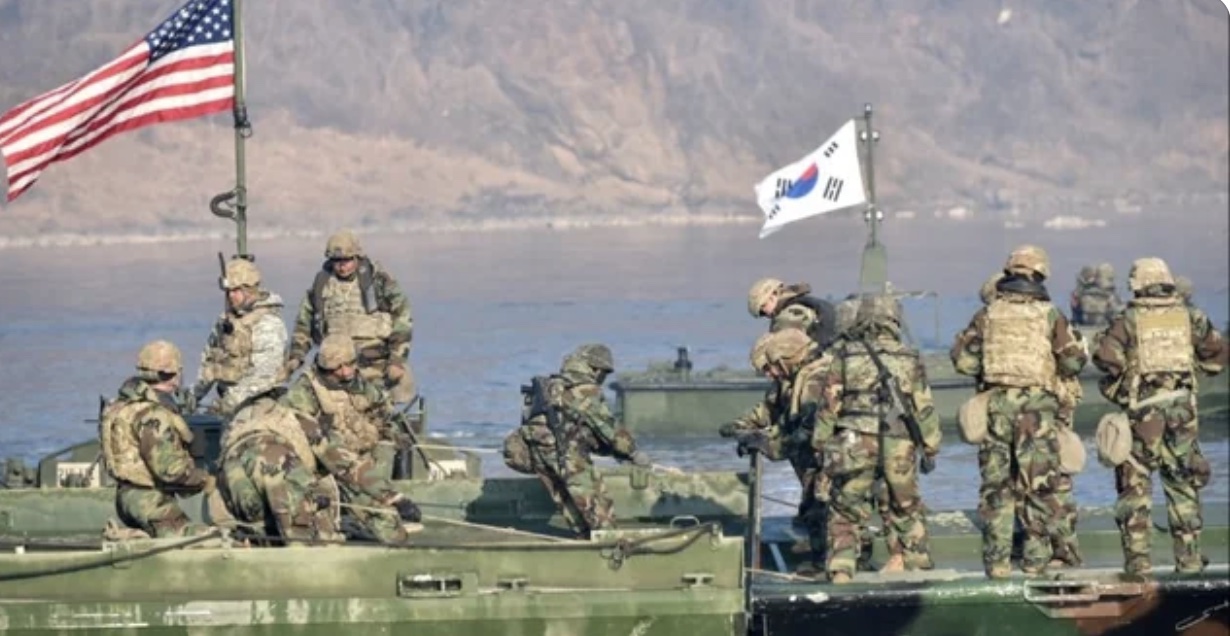
The United States and South Korea have shortened Ulchi Freedom Shield from 11 days to five following an order from President Donald Trump, ending the annual exercise on Friday 21 August rather than Thursday 27 August.
The change removes the planned second phase, which was expected to rehearse counteroffensive operations after an initial defensive phase. Some field training has also been reduced, although the exercise remains under way as a combined command-and-control event.
The Pentagon says the revised activity will retain its essential readiness objectives. That claim should be assessed against the content that survives, not inferred solely from the number of days: a shorter exercise can preserve priority command tasks, but it cannot provide the same time or repetition as the full schedule.
Ulchi Freedom Shield is primarily a computer-simulated command-post exercise rather than 11 continuous days of large live manoeuvres. It tests how American and South Korean headquarters share information, make decisions and coordinate forces during a major contingency on the peninsula.
The original plan separated the scenario broadly into defensive and counteroffensive phases. Removing the second phase therefore does more than reduce administrative duration. It narrows the sequence through which staffs would have moved from absorbing an attack to restoring positions and directing follow-on operations.
That does not establish that the alliance is unprepared for counteroffensive missions. Comparable tasks are trained at other times and levels, while commanders can compress selected events into the remaining schedule. It does mean this iteration offers less opportunity to rehearse the complete scenario as originally designed.
Approximately 18,000 South Korean personnel were expected to participate under the initial plan, according to earlier reporting on the exercise. The revised total and the exact field events removed have not been set out publicly.
Command-post exercises are valuable because they expose friction that unit-level drills may not reveal: incompatible procedures, delayed intelligence, unclear authorities, communications failures and competing logistics priorities. Their quality depends on the complexity of the scenario and whether participants are forced to make decisions under pressure.
Five well-structured days can still test critical defensive command relationships. The readiness cost would be greater if the shortened period removes difficult decision points, reduces opportunities for after-action correction or prevents subordinate headquarters from completing their planned tasks.
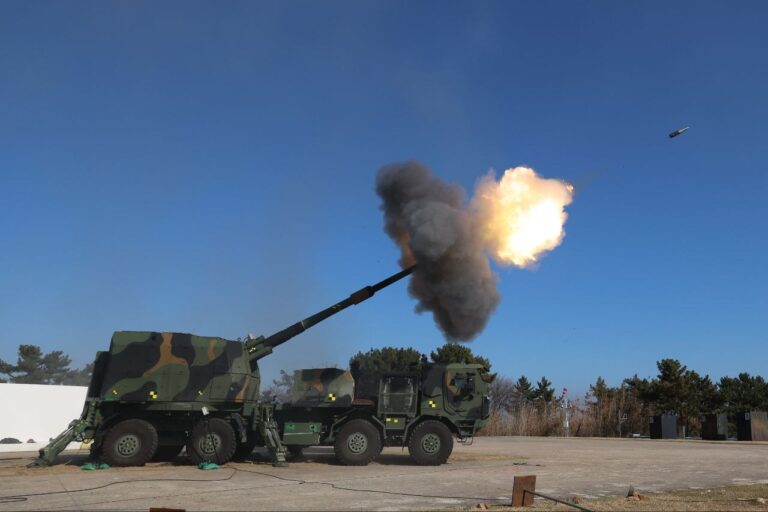
Field training addresses a different requirement. Crews and units need practical experience dispersing, moving, sustaining and protecting forces. If some of those events have been downsized, the effect should be measured through the tasks cancelled and the training rescheduled—not by assuming either that all readiness has been damaged or that nothing has changed.
The Associated Press account of the revised exercise says the second phase was cancelled and field activity reduced. The Pentagon’s assurance that core objectives remain is therefore compatible with a real reduction in scope: both can be true if commanders prioritised the defensive and combined-command functions.
North Korea routinely condemns US–South Korean exercises as rehearsals for invasion. Pyongyang criticised Ulchi Freedom Shield again despite the shortened programme, according to reporting on its response.
Reducing the exercise may be intended to lower immediate tension or create diplomatic space. Previous cycles have shown the limits of that approach: changes in exercise scale can support negotiations, but they do not guarantee reciprocity or halt North Korean weapons development.
There is also an alliance-management cost if decisions appear sudden or politically imposed. Seoul must be confident that changes reflect a shared military assessment, while American forces need predictable training calendars to integrate personnel arriving on rotation.
Defence Matters’ earlier report on Trump’s decision to cut the US–South Korean drills addressed the initial political order. The operational question is now more specific: which objectives were retained inside the five-day design, and where will the cancelled counteroffensive and field tasks be recovered?
The answer will not be visible from the closing date alone. Exercise reports, subsequent drills and the two militaries’ ability to demonstrate combined command proficiency will show whether the change was a manageable compression or a meaningful training loss.