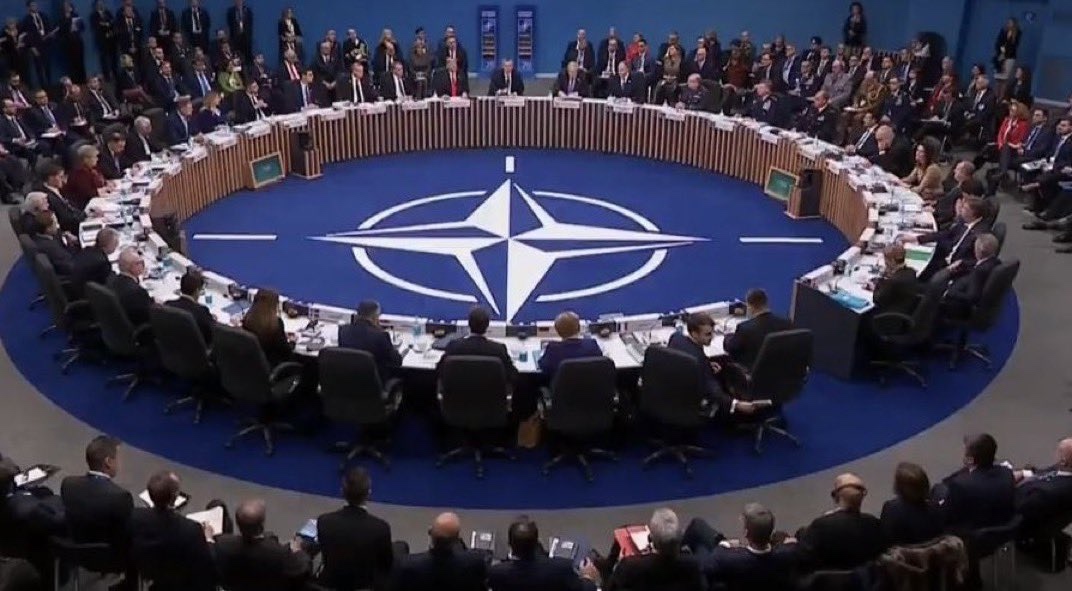
The meeting will bring together foreign ministers from across the NATO alliance, alongside the Secretary General, for a series of high-level discussions focused on the most pressing geopolitical challenges facing the transatlantic community. Unlike formal summits, these informal ministerials are designed to encourage open, candid exchanges—creating space for deeper strategic alignment and forward-looking cooperation.
For Sweden, the event carries particular symbolic and strategic weight. Having joined NATO in March 2024 after decades of military non-alignment, the country has rapidly positioned itself as a proactive and committed member of the Alliance. Hosting such a key diplomatic gathering so soon after accession underscores Stockholm’s determination to contribute meaningfully to NATO’s collective agenda and to help shape its future direction.
The choice of Helsingborg as the venue is itself noteworthy. Situated on the narrow Øresund strait, one of the busiest maritime corridors in the world and a gateway to the Baltic Sea, the city occupies a location of immense strategic relevance. Swedish officials have highlighted how this setting reflects the shifting security landscape in Northern Europe, where maritime routes, regional stability, and deterrence have taken on renewed importance.
The informal foreign ministers’ meetings, first launched in Berlin in 2022 and subsequently hosted in Oslo and Prague, have quickly become an essential fixture in NATO’s diplomatic calendar. They offer a more flexible and less scripted environment than traditional ministerial sessions, allowing allies to engage in frank discussions on complex issues ranging from deterrence and defence spending to partnerships and crisis response.
By 2026, these conversations are expected to be shaped by a range of interconnected challenges. Chief among them is the ongoing war in Ukraine and its broader implications for European security. NATO has significantly strengthened its eastern flank and intensified cooperation with partners in response to Russia’s actions, and foreign ministers are likely to assess both immediate support measures and long-term strategic planning.
Equally important will be the Alliance’s efforts to adapt to an increasingly complex global environment. Issues such as hybrid threats, cyber security, and the protection of critical infrastructure are expected to feature prominently. Sweden’s own experience in the Baltic region, coupled with its advanced technological capabilities, positions it as a valuable contributor to these discussions.
The Helsingborg meeting is also expected to reinforce NATO’s commitment to unity and solidarity. In recent years, the Alliance has demonstrated a renewed sense of purpose, driven in part by shared challenges and the need for collective resilience. Sweden’s integration into NATO has further strengthened this unity, bringing additional capabilities and perspectives to the table.
Moreover, the event will highlight the deepening ties between NATO and the European Union, particularly in areas such as defence coordination, resilience, and support for Ukraine. As a member of both the EU and NATO, Sweden is uniquely placed to act as a bridge between the two organisations, helping to foster greater coherence in their respective approaches to security.
Preparations for the meeting are already well underway, with Swedish authorities working closely with NATO counterparts to ensure a successful and secure event. The gathering is expected to attract more than a thousand participants, including diplomats, security experts, and journalists, turning Helsingborg into a hub of international diplomacy for several days.
Beyond its immediate diplomatic objectives, the meeting represents an opportunity for Sweden to showcase its capabilities as a host nation and its commitment to international cooperation. It also offers a chance to highlight the broader Nordic region’s growing importance within NATO, particularly as the Alliance continues to adapt to new strategic realities.
At a time when unity and clarity of purpose are more important than ever, Sweden’s role in hosting the 2026 informal meeting of NATO foreign ministers sends a strong and positive signal. It reflects both the country’s own transformation in the wake of shifting security dynamics and the enduring strength of the transatlantic alliance.
As ministers gather on the shores of the Øresund, the focus will be firmly on the future—on strengthening partnerships, addressing shared challenges, and ensuring that NATO remains a cornerstone of international security in an increasingly uncertain world.
NATO says European allies and Canada sharply increased defence spending in 2025