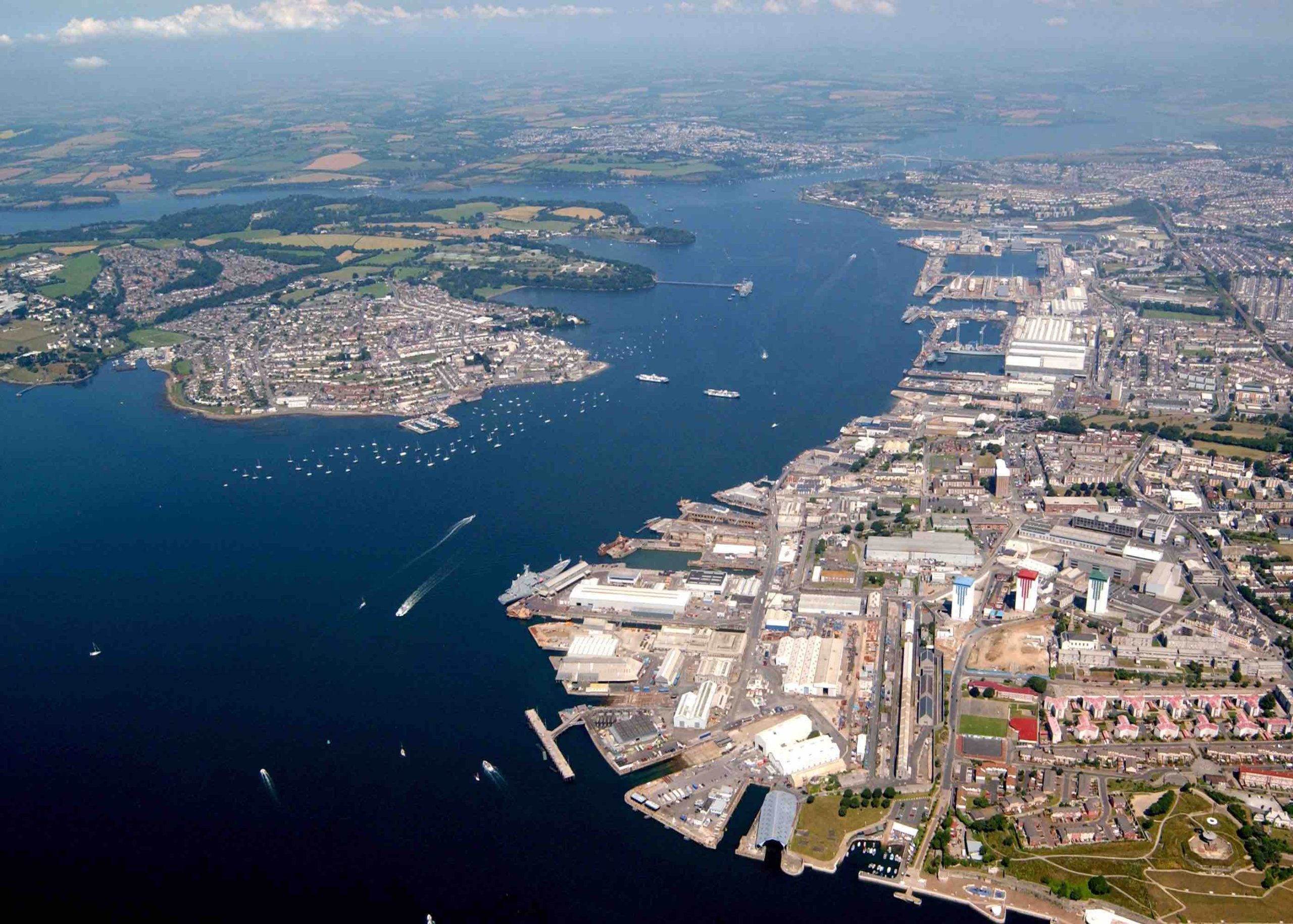
At a time when questions of national resilience, technological sovereignty and regional prosperity sit firmly at the top of the political agenda, this initiative from the UK Ministry of Defence offers a compelling vision of how all three can be advanced in tandem.
At its heart, the deal is about confidence—confidence in Britain’s defence sector, in the ingenuity of its engineers, and in the enduring importance of its historic naval cities. Nowhere is this more evident than in Plymouth, long synonymous with maritime strength and now poised to become a global leader in the next frontier of naval capability: autonomy.
The £50 million investment will be directed towards accelerating innovation, cutting through bureaucratic obstacles, and creating the conditions in which defence businesses—both established giants and nimble start-ups—can flourish. In doing so, it underscores a simple but powerful truth: that defence is not merely a matter of security, but a potent engine of economic growth.
Central to this vision is the expansion of the National Centre for Marine Autonomy, a facility that already places Plymouth at the cutting edge of maritime technology. By enhancing access to testing environments and waterfront laboratories, the government is effectively lowering the barriers to entry for companies seeking to develop advanced surface and subsurface drones.
This is no small matter. Maritime autonomy is widely regarded as one of the defining defence technologies of the coming decades, with applications ranging from surveillance and mine countermeasures to the protection of critical undersea infrastructure. By nurturing this capability domestically, Britain not only strengthens its armed forces but also positions itself as a global exporter of high-value technology.
Equally significant is the creation of a new Plymouth Marine Autonomy Trials Authority. While the name may sound technical, its purpose is refreshingly straightforward: to help companies bring innovations to market more quickly. By streamlining testing and regulatory processes, it promises to bridge the often formidable gap between invention and deployment—a perennial challenge in the defence sector.
Yet the true strength of the initiative lies not only in its technological ambition but in its recognition that people, not machines, ultimately drive progress. The deal includes substantial investment in skills, with new training capacity and some 60 defence-related courses to be delivered through local colleges and universities.
This focus on education is both pragmatic and visionary. It ensures that the next generation of engineers, technicians and innovators will be equipped with the expertise required by a rapidly evolving industry. At the same time, it anchors opportunity firmly within the local community, offering young people in the South West a clear pathway into well-paid, high-skilled employment.
The anticipated creation of hundreds of new jobs is therefore only part of the story. What matters just as much is the quality of those jobs and the broader ecosystem they support. Defence spending in the region is already substantial—more than £6.6 billion in 2024/25 alone—and sustains tens of thousands of roles across a diverse industrial base.
From global players such as Babcock International, BAE Systems and Airbus to emerging firms like Rowden Technologies, the South West boasts a vibrant mix of expertise. The new deal is designed to strengthen these connections, ensuring that innovation flows not only from the top down but across a dynamic network of suppliers, researchers and entrepreneurs.
It is also impossible to consider Plymouth’s future without acknowledging its past—and present—as a cornerstone of British naval power. HMNB Devonport, the largest naval base in Western Europe, provides the backbone of the UK’s submarine fleet and will continue to do so for decades to come.
Indeed, with billions already committed to infrastructure and long-term defence programmes extending to at least 2070, the city’s strategic importance is beyond doubt. What the growth deal achieves is to complement this enduring military role with a forward-looking industrial strategy—one that embraces innovation, diversification and sustainable economic development.
There is, too, a broader national context to consider. The government has committed to the largest sustained increase in defence spending since the end of the Cold War, with expenditure set to reach 2.6 per cent of GDP by 2027. Against this backdrop, initiatives such as the Plymouth deal take on added significance, demonstrating how increased funding can be channelled into tangible benefits for communities across the country.
Critically, the approach is not one of central diktat but of partnership. Local authorities, educational institutions and industry are all integral to the process, ensuring that the strategy is tailored to regional strengths and opportunities. It is a model that recognises that prosperity is most durable when it is locally rooted and widely shared.
In Plymouth, the results could be transformative. A revitalised city centre, a thriving innovation hub, and a workforce equipped for the demands of the 21st century—all underpinned by a renewed sense of purpose. It is a vision that speaks not only to economic renewal but to national ambition.
For too long, discussions of defence spending have been framed in narrow terms, as a necessary cost in an uncertain world. This £50 million investment tells a different story: one in which defence is a catalyst for growth, a driver of technological progress, and a source of pride for communities that have long stood at the forefront of Britain’s maritime heritage.
If delivered with the same clarity of purpose with which it has been announced, the Plymouth defence growth deal may well come to be seen as a model for how strategic investment can secure both the nation and its prosperity in the years ahead.
From BAE to Rheinmetall: The Industrial Surge Behind Europe’s “Buy European” Push
Main Image: – http://www.defenceimagery.mod.uk/fotoweb/Grid.fwx?search=(IPTC020%20contains%20(Naval%20Bases))