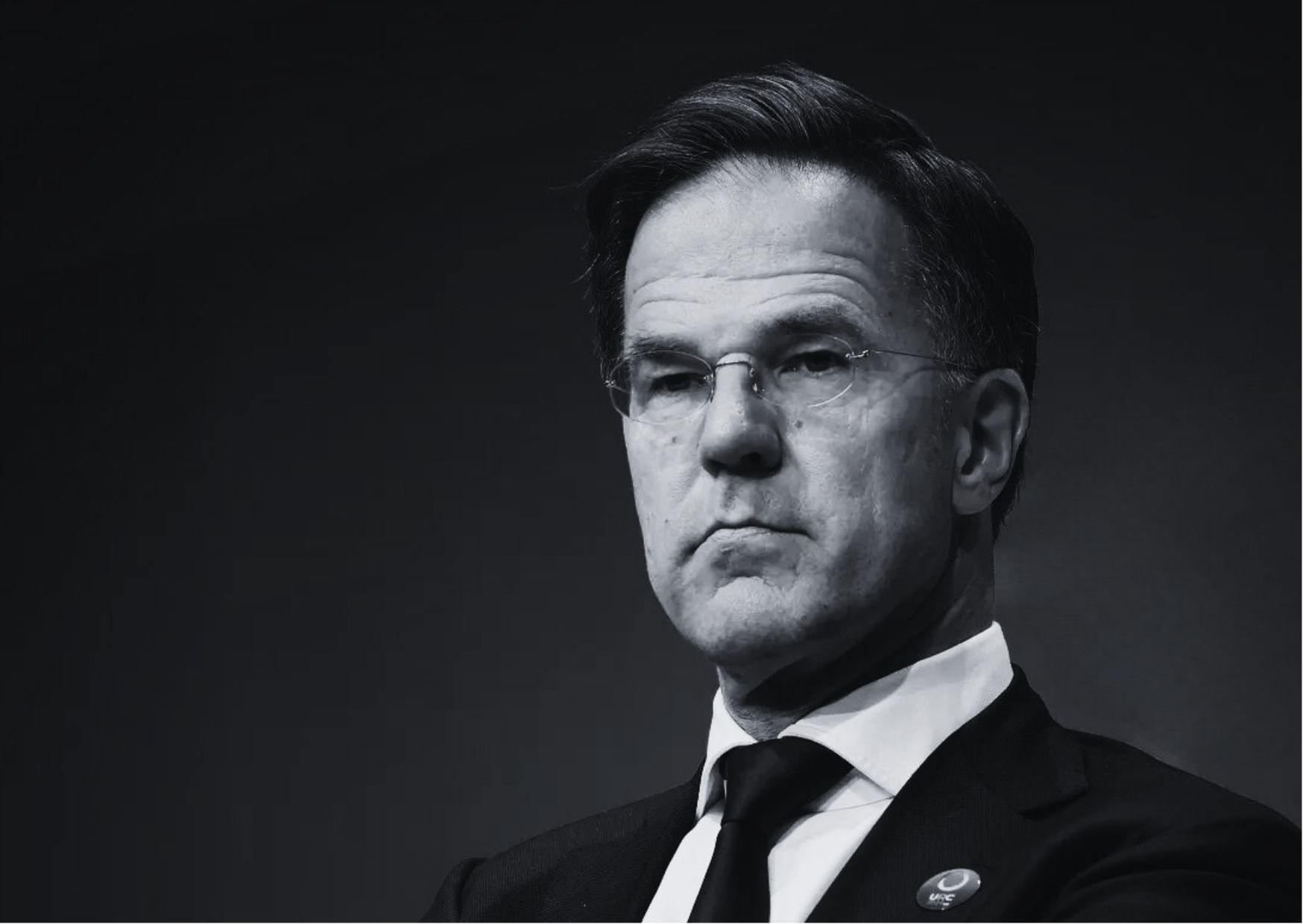
NATO Secretary General Mark Rutte used a speech in Washington on 9th April to sharpen the alliance’s emerging spending debate, arguing that the target now being discussed is no longer adequately captured by the long-standing 2 per cent benchmark. Speaking at the Reagan Institute’s Center for Peace Through Strength, Rutte said current NATO planning points towards a level of roughly 3.5 per cent of GDP in core defence spending and a further 1.5 per cent in defence-related expenditure, bringing the overall figure to around 5 per cent. The event was listed by NATO for 9 April in Washington, with the speech scheduled for 17:00 and the event page later updated at 18:17 the same day. The full text of the remarks was subsequently published in a NATO transcript, with the visit recorded on the NATO event page.
In the clearest formulation of his argument, Rutte said that the proposed 5 per cent level was “deeply rooted in the plans” already agreed within NATO, and linked it directly to alliance requirements under Article 5. According to the published transcript, he said the figure reflected what member states would actually need in order to meet the military tasks assigned to them in the event of an attack on NATO territory. He described the spending split as approximately 3.5 per cent for core defence and 1.5 per cent for wider defence-related spending, adding that some countries might end up slightly above or below those levels but that the overall requirement was now broadly understood across the alliance. That makes the speech important not simply as another call for higher budgets, but as an attempt to present increased spending as a practical consequence of force-planning rather than a political slogan.
Rutte also made clear that he sees the problem as extending beyond money alone. In the same speech, he said the alliance faces a serious defence industrial production problem in both the United States and Europe. He pointed specifically to shipbuilding capacity and argued that NATO countries are now in a race to rebuild stockpiles and expand output more quickly. He said industry would need to add shifts, expand production lines and build new factories, while warning against assuming that current industrial capacity is adequate for the strategic environment now facing the alliance. The emphasis on production is significant because it reflects a broader shift in NATO debate away from nominal spending figures alone and towards the question of whether member states can actually produce the ships, munitions, air-defence systems and other capabilities their defence plans require.
The Washington appearance also produced a notable political line on Ukraine. During the question-and-answer session, Rutte said that although NATO had previously agreed that Ukraine was on an irreversible path towards membership, he did not believe accession was “on the table right now” and said he did not expect it to happen politically in the short term. Instead, he referred to the current discussion around security guarantees intended to reduce the risk of renewed Russian attack after a ceasefire or peace settlement. That answer matters because it publicly set out the gap between NATO’s long-term political formula on Ukraine and the present limits of consensus inside the alliance. In the same exchange, Rutte also referred to Ukraine’s experience in drone and anti-drone warfare and said NATO was trying to capture those lessons through its Joint Analysis, Training and Education Centre in Poland.
Taken together, the speech served three purposes. First, it pushed the alliance spending debate towards a more demanding benchmark ahead of future NATO political decisions. Secondly, it argued that industrial capacity is now a central constraint on deterrence. Thirdly, it set out a more candid line on Ukraine’s membership prospects than is often heard in public NATO messaging. Because all three elements came in a single speech on 9 April, the Washington appearance was more than a routine transatlantic stop. It was an attempt by the Secretary General to frame the next phase of alliance debate around force requirements, production capacity and political realism.