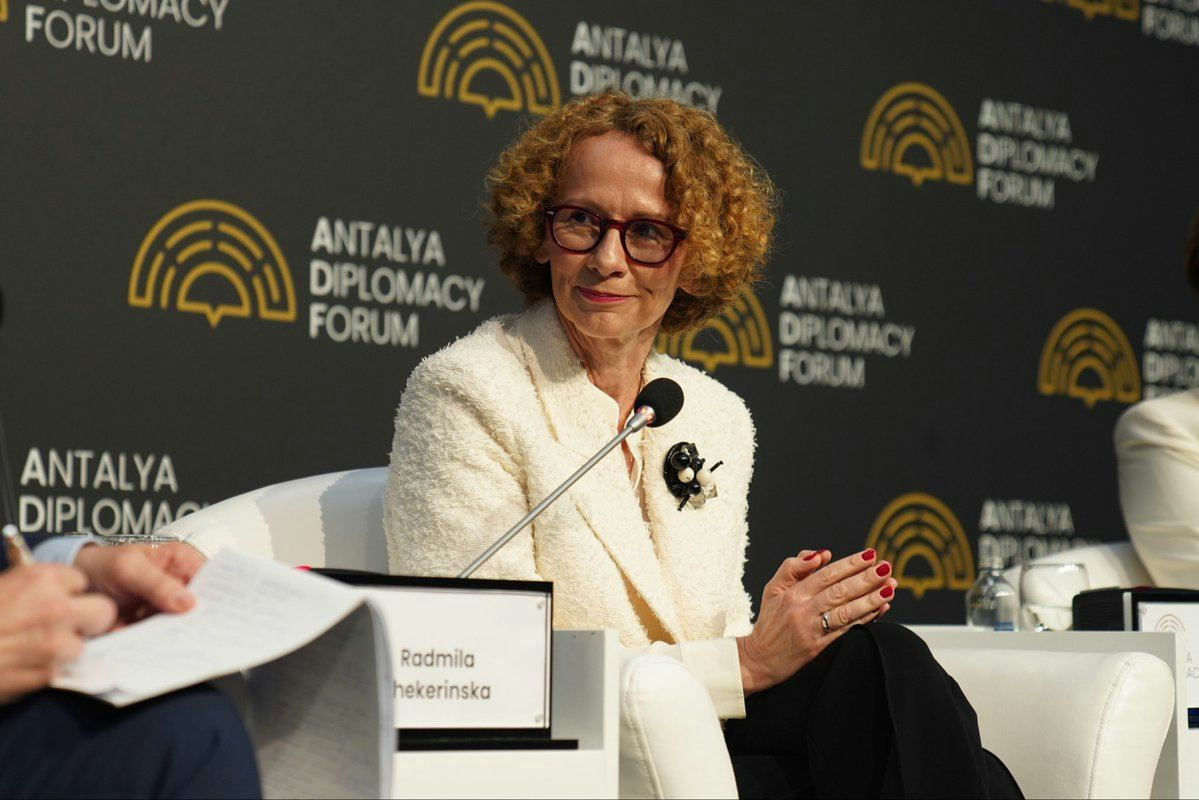
Speaking at the Antalya Diplomacy Forum, Radmila Shekerinska set out both the stakes and the expectations ahead of July’s gathering of allied leaders in Turkey’s capital. Her tone was measured but unmistakably firm — a recognition that NATO is entering a period where resolve must be demonstrated not in communiqués, but in capability.
The Ankara summit, scheduled for 7–8th July, will be the alliance’s first major convening since last year’s meeting in The Hague, where members agreed to dramatically increase defence spending targets. Yet, as Shekerinska made plain, the true test lies not in pledges but in delivery.
“Our security is strongest when it is transatlantic,” she told delegates, underlining a theme that has become increasingly urgent as geopolitical tensions intensify.
At the heart of her intervention was a dual message: European allies and Canada must continue to shoulder more responsibility, while the transatlantic bond — long the bedrock of NATO — must remain intact. These are not mutually exclusive goals, but rather complementary ones, she suggested, as the alliance adapts to a more contested global environment.
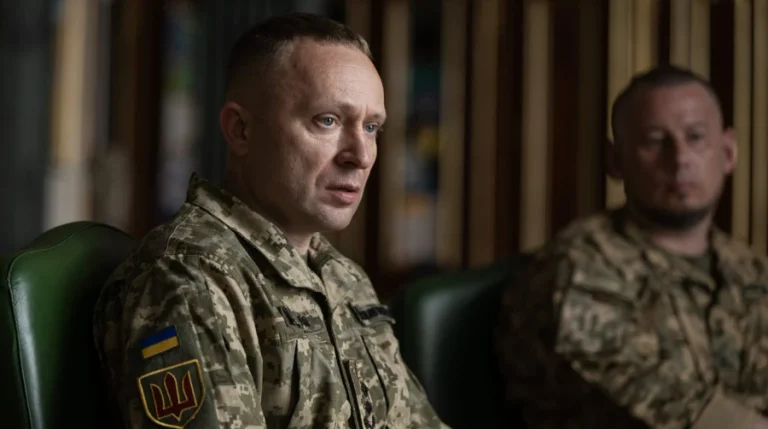
Russia’s war in Ukraine loomed large over proceedings. Described as a “wake-up call” for the alliance, the conflict has accelerated efforts to rearm, modernise, and rethink NATO’s strategic posture. Shekerinska reaffirmed the alliance’s “unwavering commitment” to Kyiv, noting that support is being expanded not only through military aid but also via cooperation with Ukraine’s defence industry.
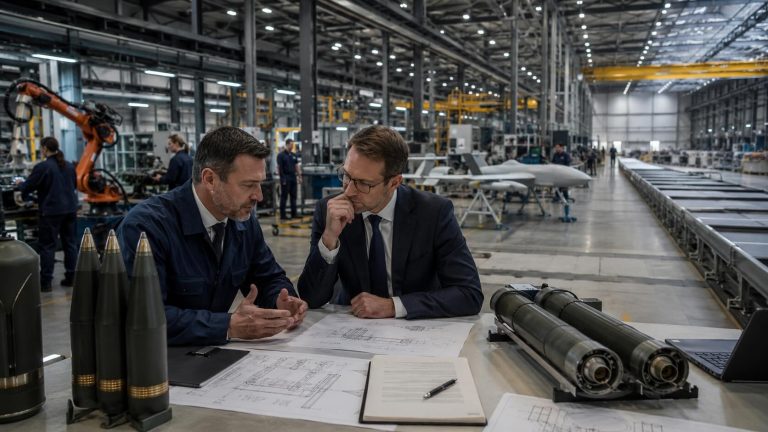
This emphasis on industrial capacity is telling. NATO’s challenge is no longer simply political cohesion, but the practical ability to produce and sustain the tools of deterrence. The Deputy Secretary General highlighted the need for increased defence production and closer collaboration with partners beyond the alliance, including those in the Indo-Pacific.
Such remarks reflect a broader shift within NATO thinking: from a reactive posture to one that anticipates prolonged strategic competition. The language of “capabilities”, “innovation”, and “production” featured prominently — a marked departure from the more declaratory tone of past years.
Yet the Antalya forum also exposed underlying tensions. Questions about the future of American engagement in Europe continue to cast a long shadow. With Washington’s commitment periodically called into question, European allies are being pressed to do more — not as a substitute for the United States, but as a means of ensuring the alliance remains credible regardless of political winds.
In this context, the Ankara summit is shaping up as a moment of reckoning. It will need to reconcile several competing imperatives: sustaining support for Ukraine, increasing defence investment, strengthening industrial capacity, and preserving unity across a diverse alliance.
Shekerinska’s insistence that “actions” must follow “words” speaks directly to this challenge. It is not enough, she implied, for NATO to agree on ambitious targets; those targets must translate into tangible outcomes — more equipment, more readiness, and more resilience.
There is also a diplomatic dimension. During her visit to Antalya, the Deputy Secretary General held meetings with a range of counterparts, from European foreign ministers to representatives of partner nations such as Jordan and Ukraine. These engagements underscore NATO’s expanding network of relationships, as it seeks to build a broader coalition of like-minded states.
Turkey, as host of both the forum and the upcoming summit, occupies a particularly significant position. A longstanding ally with considerable military weight, Ankara is once again at the centre of NATO diplomacy — a reminder that the alliance’s strength lies in its diversity as much as its unity.
If there was a single thread running through Shekerinska’s remarks, it was urgency. The world, she suggested, is not waiting for NATO to catch up. Strategic competitors are moving quickly, conflicts are evolving, and the demands on the alliance are growing.
Against this backdrop, the Ankara summit will not merely be another date in the diplomatic calendar. It will be a test of whether NATO can translate its renewed sense of purpose into concrete action — and whether it can do so while maintaining the cohesion that has long defined it.
For now, the message from Antalya is clear: the time for promises has passed. What matters now is performance.
EU and NATO move to tighten coordination ahead of Ankara summit