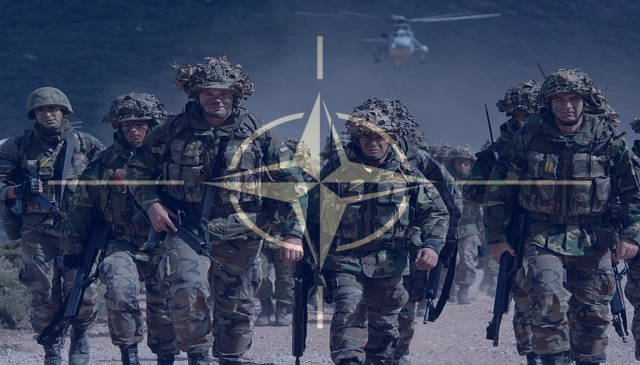
Estonian Defence Minister Hanno Pevkur said on 17 April that NATO would not collapse and that the United States would defend its allies in the event of attack, but he paired that assurance with a blunt warning: Europe is still not ready to stand up to Russia on its own. In reporting published on Friday, Pevkur said transatlantic tensions should not be mistaken for alliance breakdown, while also stressing that Europe must increase defence spending and build greater capability.
The remarks carry weight because they come from one of NATO’s eastern flank states, where the cost of misreading US commitment or European preparedness is unusually high. Estonia has consistently been among the alliance’s most forward-leaning members on deterrence, military spending and support for Ukraine. Pevkur’s argument therefore sits between reassurance and criticism: reassurance that Article 5 still matters, criticism that too many European allies have still not matched the security environment with sufficient investment.
His comments also fit a broader debate now running through NATO capitals. The alliance is trying to show continuity and credibility at a moment when Europe faces growing pressure to do more for its own defence, while still relying heavily on US logistics, intelligence, air power, missile defence and industrial depth. Pevkur’s position does not challenge that reality. Rather, it states it plainly. Europe, in this reading, must become stronger not because NATO is obsolete, but because the alliance is more credible when its European pillar is materially stronger.
That matters beyond the Baltic region. If Europe is not yet able to carry more of the conventional burden on its own continent, then questions about ammunition output, air defence, force readiness and long-term procurement become more than budgetary arguments. They become questions about deterrence and political resilience. Estonia’s own spending plans — cited in the same reporting as 5.1 per cent of GDP — are intended to show what one government believes the current environment requires.