The United States has begun warning European governments that previously contracted weapons deliveries may be delayed as the war involving Iran places additional strain on already depleted American stockpiles. Reuters, citing five sources familiar with the matter, reported that the likely delays affect several European countries, including states in the Baltic region and Scandinavia. Some of the systems in question were purchased under the US Foreign Military Sales programme but have yet to be delivered.
This is more than a procurement problem. It is a strategic signal. European states were encouraged for years to buy American, to move faster, and to treat US defence production as the safest backstop against a deteriorating security environment. Now the same partners are being told that signed deals may have to wait because Washington’s operational priorities lie elsewhere.
According to Reuters, US officials have told European counterparts that existing deliveries are likely to slip as Middle East requirements absorb scarce stocks. The countries affected have not been named. That is not surprising. For frontline or near-frontline NATO members, the timing and volume of incoming weapons shipments are treated as sensitive defence information.
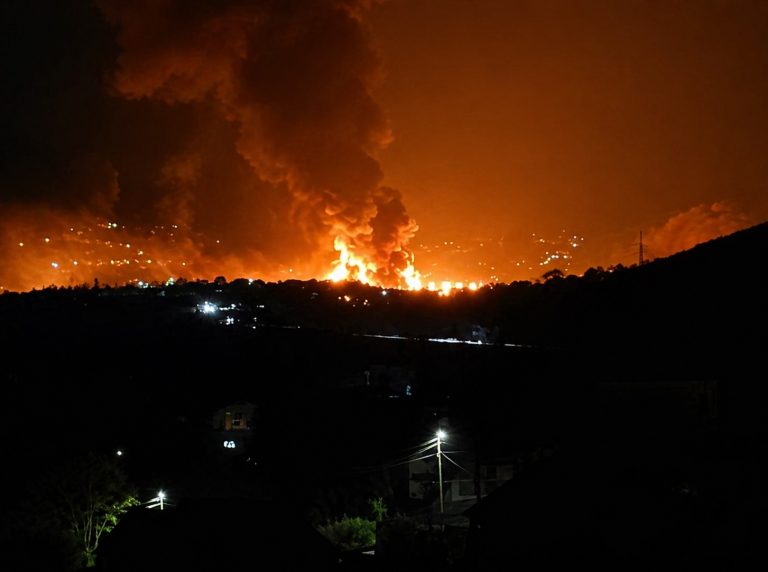
The immediate issue is capacity. Since Russia’s full-scale invasion of Ukraine in 2022, the United States has drawn heavily on inventories of artillery, ammunition and missile systems. Those pressures were compounded by support for Israel’s military operations in Gaza. The campaign against Iran, which began with US-Israeli strikes on 28 February, has deepened the strain still further.
The burden is not theoretical. Reuters reported in March that the Trump administration estimated the first two days of operations against Iran alone consumed roughly $5.6 billion in munitions. That figure raised immediate questions about replacement rates, industrial surge capacity and the sustainability of simultaneous commitments in Europe and the Middle East.
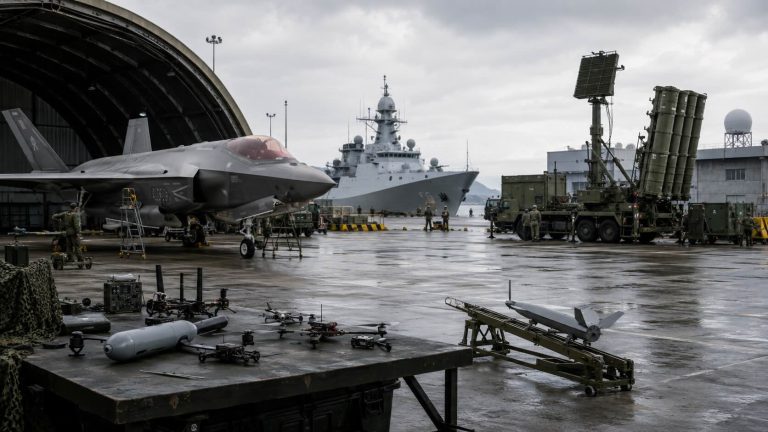
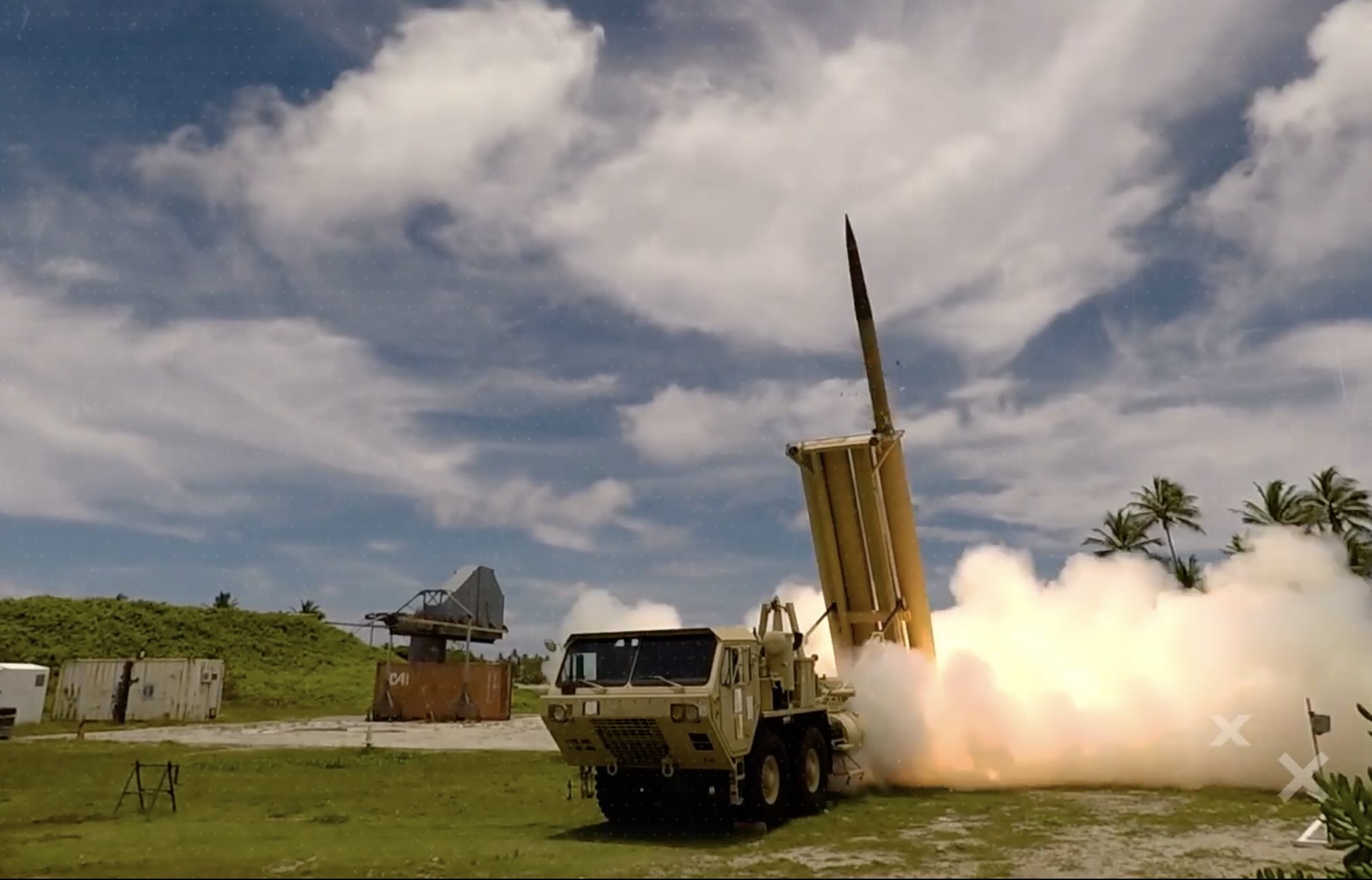
For Europe, one of the most serious implications concerns air and missile defence. Tehran has launched hundreds of ballistic missiles and drones towards Gulf countries since the start of the campaign, with many intercepted using PAC-3 Patriot missiles. Those same interceptors are central to Ukraine’s defence against Russian ballistic attacks and remain highly relevant to European states seeking to strengthen layered air defence.
That is where the problem becomes politically sharper. Washington has for years pressed European allies to assume more responsibility for their own defence while also urging them to purchase US-made systems. Yet the more Europe buys from the United States, the more exposed it becomes to American reprioritisation during crises outside the continent. The current delays underline a basic reality: dependence on US supply remains dependence on US political and military bandwidth.
The Foreign Military Sales system is designed to give allies a structured route into US defence procurement, backed by official approval and government-managed logistics. In practice, however, it offers no immunity from bottlenecks when US inventories are stretched or operational needs change. That is now being felt in Europe at exactly the moment when NATO members are meant to be accelerating rearmament, not waiting for revised delivery schedules.
There is also a wider credibility issue. Reuters noted that some European officials are already growing more frustrated with repeated delays and are paying closer attention to European-made alternatives. That does not mean a rapid break from US systems; in many categories, there is no immediate substitute. But it does strengthen the case for expanding Europe’s own industrial base, increasing production depth, and reducing exposure to sudden shifts in Washington’s strategic focus.
The concern is reinforced by earlier reporting that equipment intended for Ukraine could come under similar pressure. The Washington Post reported in March that the Pentagon was considering whether critical military equipment originally meant for Ukrainian forces should be redirected to the war involving Iran. Bloomberg later reported that Secretary of State Marco Rubio said weapons bought by NATO countries for Ukraine were not then being rerouted, but he did not exclude that possibility.
The White House and State Department referred Reuters to the Pentagon, which did not comment on the latest report. That leaves key questions unanswered: which weapons will be delayed, for how long, and whether this is a temporary disruption or the start of a broader pattern.
For European defence planners, the lesson is increasingly difficult to ignore. A continent facing a long-term Russian threat cannot build its security on the assumption that American arsenals will always be deep enough, available enough, and politically releasable enough to cover every emergency. The Iran war has not created that problem. It has exposed it.