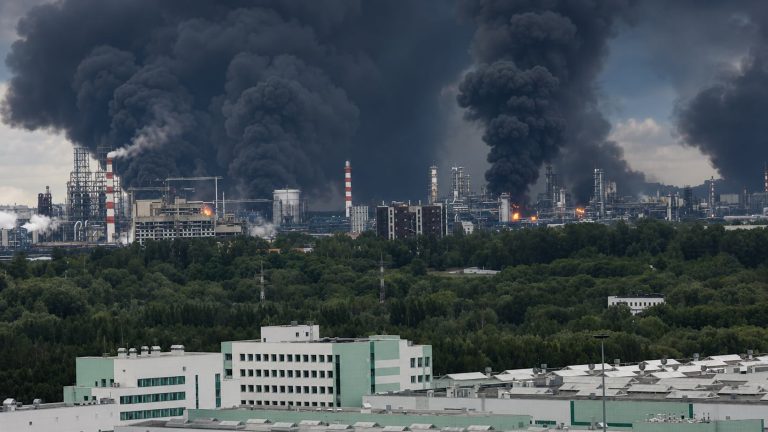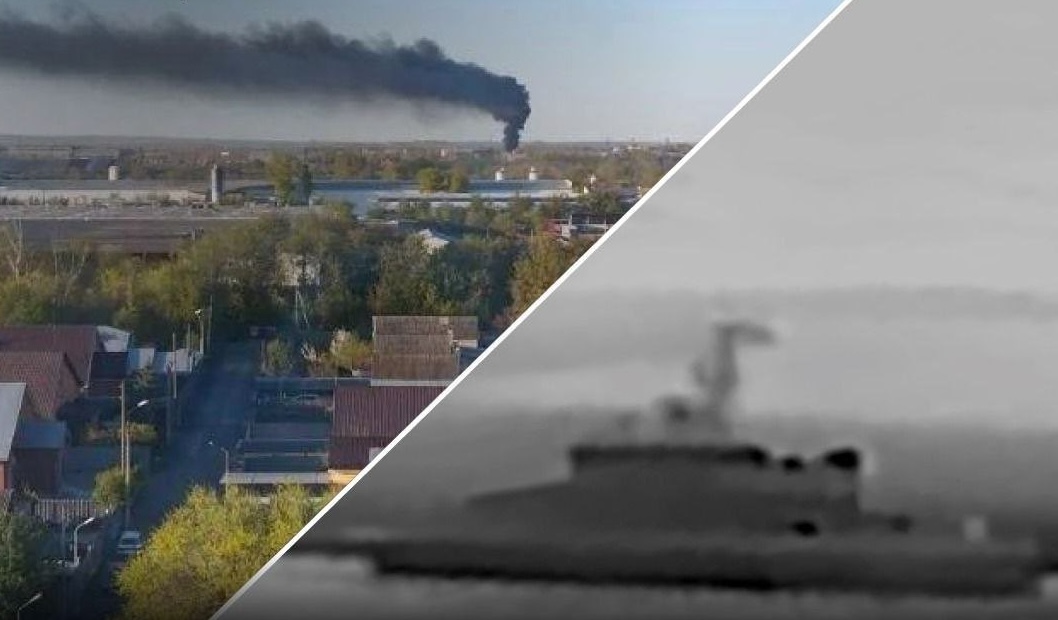
Ukrainian forces have struck the Orsknefteorgsintez oil refinery in the Russian city of Orsk, in the Orenburg region, in an attack that triggered a fire at the facility.
The strike took place on 29 April and overnight into 30 April, according to a statement carried by Ukrainian defence reporting. The same account said the refinery was among several targets hit by Ukrainian forces during the period.
The refinery is a significant target because of both its distance from Ukraine and its stated role in supplying Russian forces. Orsk is located in Russia’s Orenburg region, well beyond the immediate front line. The attack therefore fits a wider Ukrainian pattern of striking military-linked infrastructure inside Russia, including energy assets, logistics nodes and facilities used to support the war effort.
The Ukrainian military account said a hit was recorded on the territory of the Orsknefteorgsintez plant, followed by a fire. It also stated that the facility is involved in supplying the Russian army. The extent of the damage has not been independently confirmed.
Orsknefteorgsintez produces more than 30 types of petroleum products, including petrol, diesel and aviation kerosene. Its design refining capacity is reported at 6.6 million tonnes of oil per year. That makes the plant a relevant target within the fuel-supply chain, particularly if its output supports military transport, aviation or logistics.
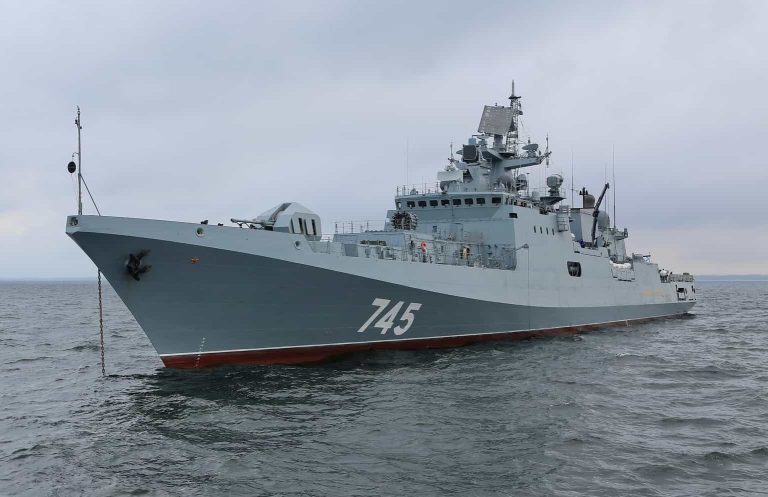
The strike was not the only operation identified in the same update. Ukrainian forces also reported strikes against Mi-28 and Mi-17 helicopters near Babki in Russia’s Voronezh region, a Tor-M2 surface-to-air missile system near Oleksandrivka in occupied Zaporizhzhia region, an artillery brigade command post in occupied Lysychansk, an ammunition depot near occupied Kremenivka in Donetsk region, and a base for naval vessels in the Black Sea.
Those claims indicate a broader package of operations rather than a single isolated refinery strike. The targets named cover fuel supply, air assets, air defence, command infrastructure, ammunition storage and naval facilities. Taken together, they suggest an effort to disrupt several parts of Russia’s military-support system at the same time.
For Ukraine, attacks on refineries and fuel infrastructure serve several military purposes. They may affect the availability of refined products, force Russia to divert air defence and emergency resources, complicate logistics, and increase pressure on infrastructure that supports both military and civilian demand. The operational effect depends on the severity and duration of damage, which is not yet clear in the Orsk case.
The distance of the target is also relevant. Strikes at long range force Russia to defend a larger number of facilities across a wider area. Even where physical damage is limited, repeated attacks can impose costs by requiring more dispersed protection, temporary shutdowns, repairs, changes in operating patterns and greater uncertainty around fuel processing and distribution.
Ukraine has increasingly targeted Russian energy infrastructure as Russia continues attacks on Ukrainian cities, ports, energy facilities and military positions. Kyiv has argued that infrastructure supporting Russia’s war economy is a legitimate military target.
The Orenburg strike also sits within a wider pattern of attacks on Russian oil facilities. Recent operations have included strikes on refineries and terminals closer to the Black Sea and in deeper regions of Russia. These attacks have drawn attention because they affect infrastructure linked to revenue, logistics and the supply of refined products.
For European defence planners, the incident is significant for two reasons. First, it shows the growing role of long-range unmanned systems in Ukraine’s campaign against Russian military support networks. Secondly, it illustrates how energy infrastructure has become part of the operational environment, not merely an economic background factor.
The strike does not by itself determine the state of Russia’s fuel supply or battlefield logistics. A single refinery fire may be contained quickly, and Russia has alternative refining capacity. However, the cumulative effect of repeated strikes across different regions may be more consequential if they disrupt repair cycles, reduce flexibility or force additional defensive deployments.