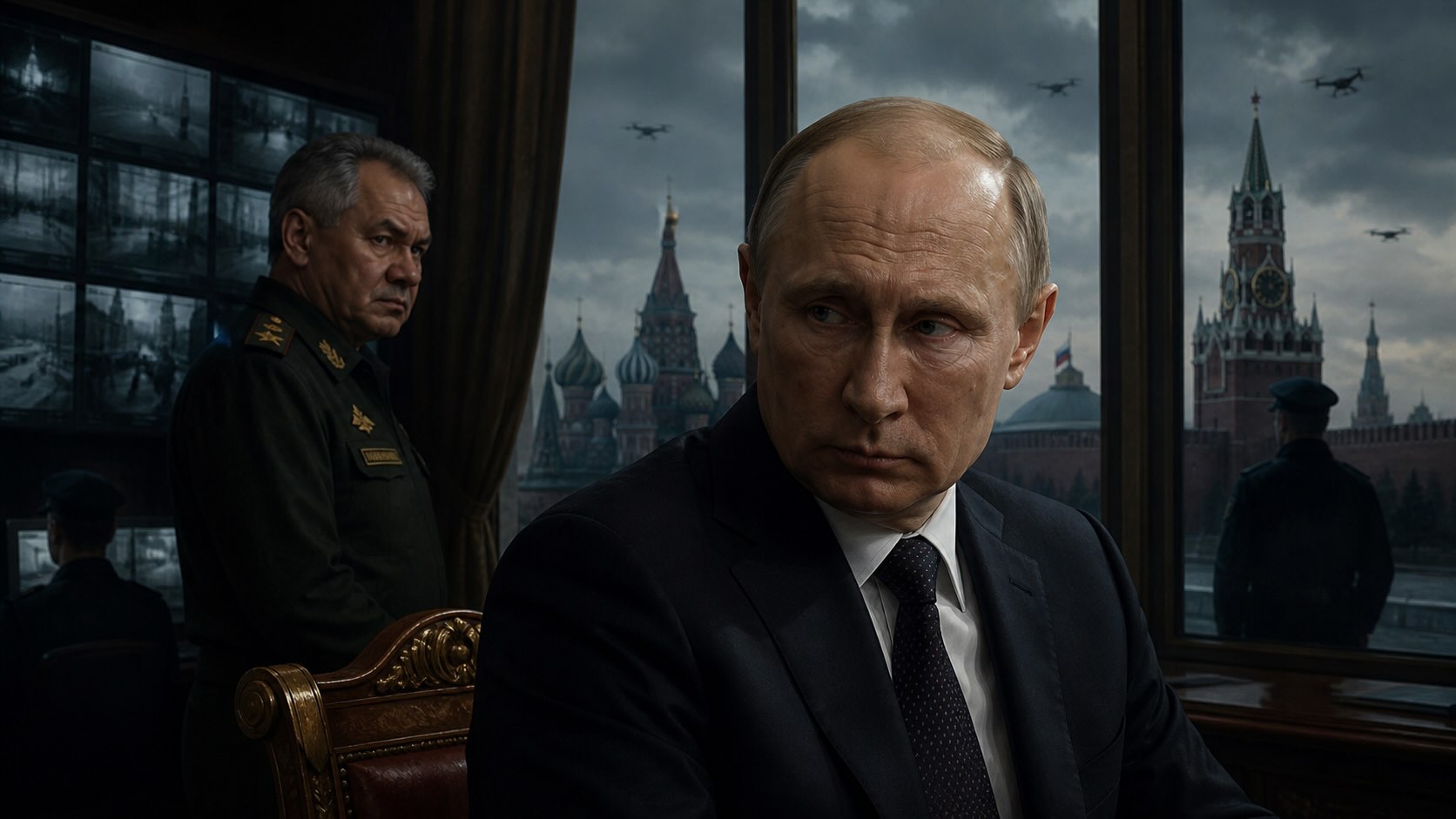
Russian President Vladimir Putin is reported to have sharply tightened his personal security arrangements amid fears within the Kremlin of a possible conspiracy, coup attempt, or drone-assisted assassination plot involving members of Russia’s political elite.
The claims were first reported by the Russian investigative outlet Vazhnye Istorii, which said the information came from a European intelligence assessment concerning the internal situation in the Kremlin and the state of Putin’s health. The document has not been independently verified, and the allegations contained in it should be treated with caution.
According to the report, from early March 2026 the Kremlin and Putin became increasingly concerned about leaks of sensitive information and the possibility of a plot against the Russian leader. Particular attention is said to have been given to the potential use of drones in an assassination attempt by figures within Russia’s own ruling circles.
The Federal Protective Service, responsible for protecting senior Russian state officials, has reportedly introduced a series of additional measures around Putin. These are said to include tighter checks on visitors, restrictions on the use of mobile phones by staff working close to the president, and surveillance cameras in the homes of some close employees. Cooks, guards and photographers working with Putin have also reportedly been barred from using public transport.
The report links some of these measures to the killing of a senior Russian general in December, which is said to have caused tensions within Russia’s security apparatus. The tightening of security is presented as part of a broader pattern of concern inside the Kremlin, as Russia faces military pressure in Ukraine, economic difficulties and an increased risk of drone attacks on its own territory.
Sergei Shoigu, Russia’s former defence minister and current secretary of the Security Council, is named in the assessment as a figure associated with the risk of a possible coup attempt. Shoigu, who remains influential within Russia’s military establishment, was for years regarded as one of Putin’s most trusted senior officials.
The report refers to the alleged arrest on March 5 of Ruslan Tsalikov, Shoigu’s former first deputy, as a possible breach of informal guarantees traditionally extended to senior figures in the Russian elite. Such a development, according to the assessment, could weaken Shoigu’s position and increase the likelihood that he himself may become the subject of criminal proceedings.
However, CNN’s reporting on the intelligence assessment noted that the document did not provide evidence to substantiate the allegations against Shoigu. It also observed that any move by Shoigu against Putin would represent a major departure from his long-standing record of loyalty. The publication of such claims could itself be intended to create pressure inside the Kremlin, while also alerting Moscow to the alleged threat.
The intelligence assessment further claims that Putin’s movements have become more restricted. Russian security officials are said to have reduced the number of locations he regularly visits. According to the same account, Putin and members of his family have stopped using some of their usual residences in the Moscow region and at Valdai, the presidential retreat between Moscow and St Petersburg.
The report also states that Putin has not visited military facilities this year, despite having done so regularly in 2025. To compensate for fewer public appearances, the Kremlin has reportedly relied on pre-recorded footage of the Russian president.
The claims come shortly before Russia’s annual Victory Day parade on May 9, a major symbolic event for the Kremlin. Ukrainian President Volodymyr Zelenskyy has said Moscow’s proposed short ceasefire around that date is intended primarily to secure the parade from potential Ukrainian strikes rather than to begin a meaningful pause in hostilities.
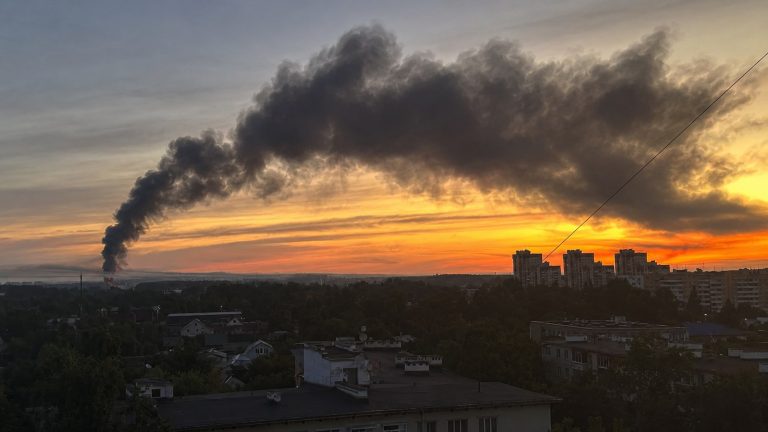
The issue has gained further relevance following reports of an explosion in Moscow overnight on May 4, allegedly connected to a drone incident several kilometres from the Kremlin. Russia has repeatedly accused Ukraine of drone attacks on its territory, while Kyiv generally avoids direct confirmation of operations inside Russia.
Drone strike reported near central Moscow as airports face restrictions
The latest reports also recall the political instability exposed by the June 2023 mutiny led by Wagner chief Yevgeny Prigozhin. That rebellion, although short-lived, revealed tensions between Russia’s military leadership, private armed formations and the Kremlin. Shoigu was one of Prigozhin’s principal targets during the dispute.
While the intelligence-based claims remain unproven, they suggest that the Kremlin’s security concerns are no longer limited to external threats or Ukrainian military operations. They also point to anxiety over possible internal vulnerabilities within Russia’s ruling structure, particularly among senior officials whose loyalties and survival may now be subject to closer scrutiny.