Taiwan’s delayed supplementary defence budget has exposed a dispute over how quickly the island can fund the military capabilities it says are needed to deter China, after lawmakers approved a reduced package focused on United States weapons purchases but excluded several domestically produced systems.
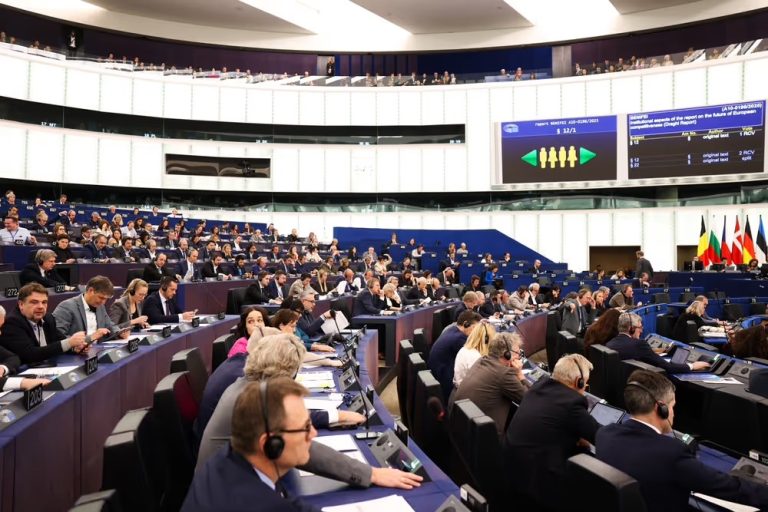
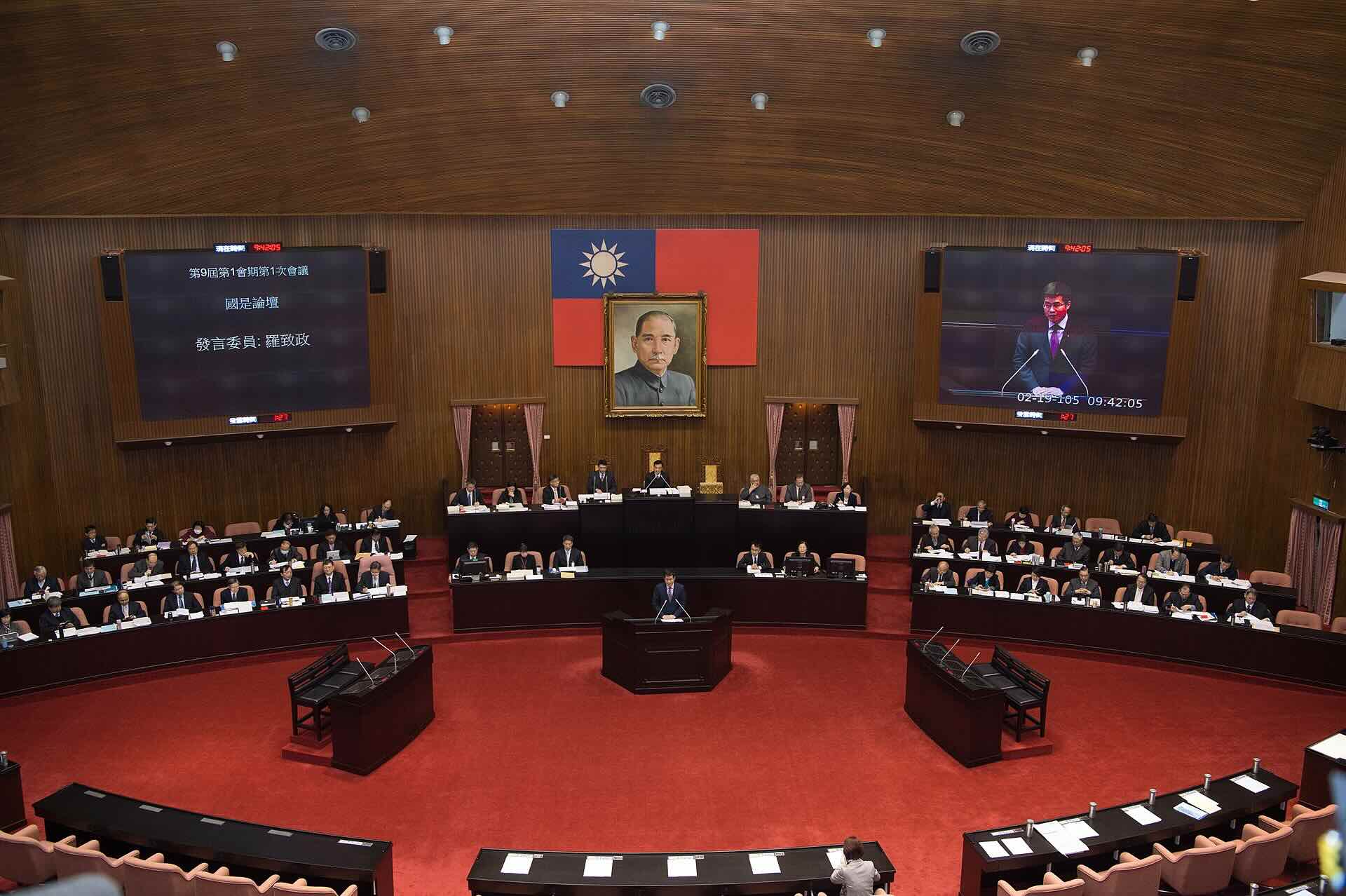
The opposition-controlled legislature approved around NT$780 billion, roughly US$25 billion, in additional defence spending on Friday, short of the NT$1.25 trillion, or around US$40 billion, requested by President Lai Ching-te’s government. The original package was intended to fund both foreign weapons acquisitions and domestic projects, including drones and missile systems. The approved version funds only part of that requirement, according to details of the legislative decision and subsequent defence budget concerns.
The decision has drawn criticism from the United States, which has urged Taiwan to increase defence spending and accelerate its procurement of systems needed for deterrence. A U.S. State Department statement said further delays would amount to a concession to China, reflecting Washington’s concern that Taiwan’s domestic political divisions could slow the development of capabilities considered central to any defence of the island.
Taiwan’s defence ministry has also warned that the exclusions could create capability gaps. Projects affected by the reduced package include domestically produced unmanned systems and the Chiang Kung anti-ballistic missile, which is linked to Taiwan’s planned T-Dome air defence architecture. Those systems are part of Taipei’s effort to strengthen asymmetric defence, improve air and missile protection, and reduce reliance on imported platforms alone.
The dispute comes as China continues regular military activity around Taiwan. On Saturday, Taiwan’s Ministry of National Defence said eight Chinese military aircraft, six naval vessels and two official ships had been detected around the island in the 24-hour period to 6am local time. Taiwan said its armed forces monitored the activity and responded with combat air patrol aircraft, naval vessels and coastal missile systems, according to the ministry’s daily military update.
The previous day, Taiwan reported 12 Chinese aircraft, six naval vessels and two official ships in the same monitoring window, with 10 aircraft crossing the median line of the Taiwan Strait and entering Taiwan’s northern, south-western and eastern air defence identification zones. The ministry said it had again responded with aircraft, ships and missile systems, according to its 8 May update.
The pattern of Chinese activity has made Taiwan’s defence budget a strategic issue rather than only a domestic fiscal dispute. Beijing regards Taiwan as part of its territory and has increased military pressure around the island in recent years. Taipei argues that it must invest in survivable, distributed and locally sustainable systems, including drones, missiles and air defence, to complicate any attempt at coercion or attack.
The opposition Kuomintang and allied lawmakers have said the reduced package is intended to avoid waste, improve scrutiny and prevent the executive from receiving what they described as excessive discretion over defence spending. They have also argued that the approved funds still represent a significant commitment to strengthening Taiwan’s armed forces.
The government and ruling Democratic Progressive Party have taken a different view. They argue that separating U.S. arms purchases from domestic defence projects weakens the overall design of Taiwan’s defence plan. The concern is that imported systems alone cannot provide the scale, resilience and rapid replenishment needed in a prolonged crisis, especially if sea and air routes are disrupted.
The budget decision also matters for Taiwan’s defence industry. Domestic drone, missile and air defence programmes are not only military projects but also part of a wider effort to build an industrial base capable of supporting long-term readiness. Delays could affect production lines, supplier planning and the integration of local systems into Taiwan’s wider command and control architecture.
For Washington, the issue has implications beyond Taiwan’s internal politics. The United States remains Taiwan’s most important security partner and arms supplier, but it has also pressed Taipei to take more responsibility for its own defence. A reduced or delayed package risks complicating that message, particularly at a time when U.S. attention is divided across the Indo-Pacific, Europe and the Middle East.
The immediate military balance in the Taiwan Strait will not be transformed by a single budget vote. However, procurement delays have cumulative effects. Drones, missiles, air defence systems and command networks require years of development, testing, acquisition and integration. A shortened or postponed funding cycle can therefore affect readiness well beyond the current political dispute.
The issue now moves into a second stage. Taiwan’s government is likely to continue pressing for the excluded projects to be restored through future funding channels, while opposition lawmakers will seek tighter oversight. The outcome will help determine whether Taiwan can match its stated defence priorities with the budgetary commitments needed to implement them.