Russia launched more than 200 drones at Ukraine overnight after the expiry of a three-day ceasefire window, in one of the largest recent aerial attacks on Ukrainian territory.
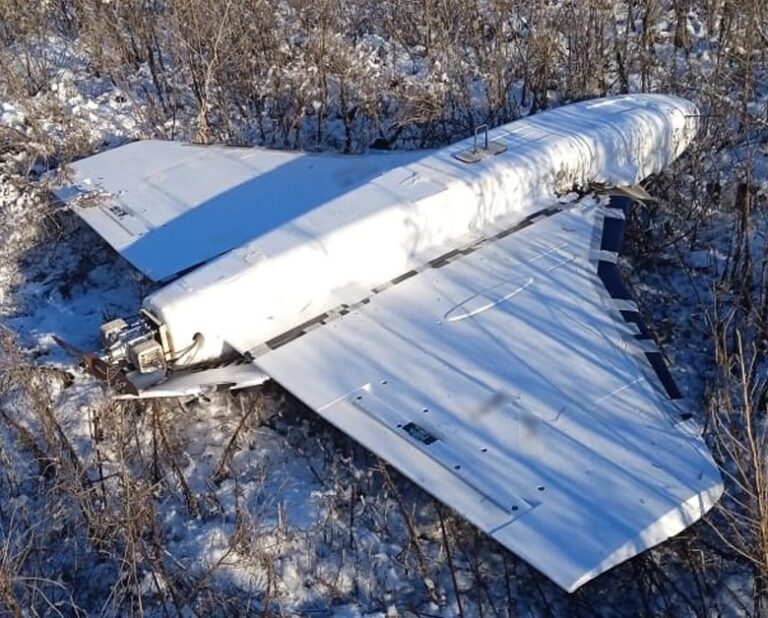
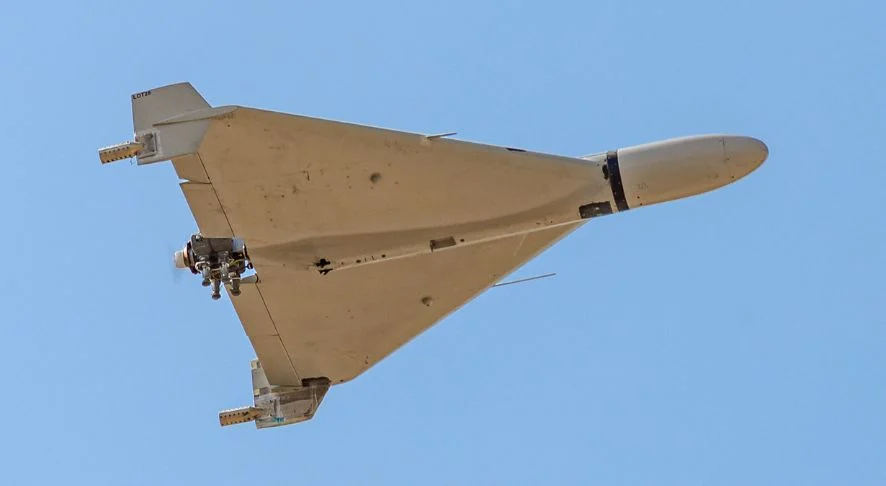
Ukraine’s air force said that from 6pm Kyiv time on Monday, Russian forces launched 216 drones, including Shahed, Gerbera, Italmas and Parody-type decoy drones. It said 192 were shot down or suppressed by air-defence and electronic warfare systems.
The attack followed the end of a ceasefire period declared around Russia’s Second World War Victory Day commemorations. Kyiv had called for a longer and more verifiable pause in hostilities, while both sides accused each other of violations during the temporary lull.
Ukrainian Foreign Minister Andrii Sybiha said Russia had responded to Kyiv’s call for an extended ceasefire with a renewed drone barrage. In a statement on X, he said Moscow had launched “hundreds of drones” after the ceasefire expired, adding that Ukraine continued to support a full and durable halt to attacks.
We proposed Moscow to extend the partial ceasefire beyond May 11th.
Instead, this night Russia launched over 200 drones against Ukraine, targeting civilian infrastructure, including a kindergarten, injuring at least six and killing at least one person.
Putin’s repeated… pic.twitter.com/WdRGwVmuKB
— Andrii Sybiha 🇺🇦 (@andrii_sybiha) May 12, 2026
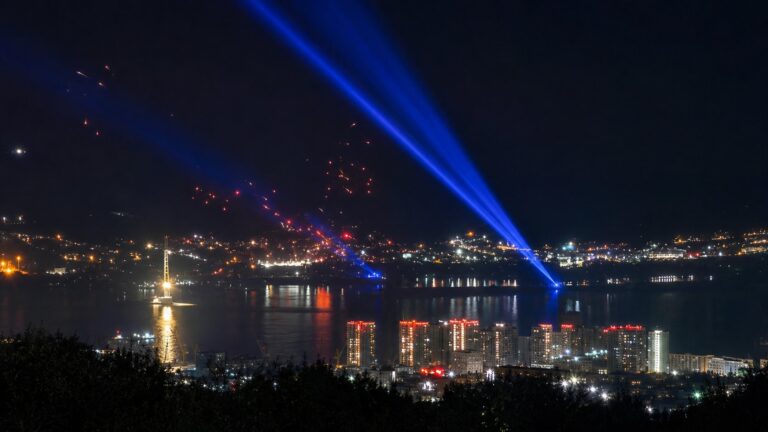
The Ukrainian air force said the drones were launched from several directions, including Russian territory and occupied Crimea. It reported strikes by 25 attack drones at ten locations, as well as debris from intercepted drones falling at five sites. The attack was still continuing at the time of the morning update, with several drones remaining in Ukrainian airspace.
The overnight assault underlined the limits of short-term ceasefire arrangements in the absence of agreed monitoring, enforcement or follow-up mechanisms. The three-day pause reduced some long-range activity but did not produce a wider de-escalation along the front line or across Ukraine’s airspace.
For Ukraine, the attack also highlighted the continuing pressure on its layered air-defence network. The reported interception and suppression of 192 drones points to a high defensive success rate, but the use of mixed drone types and decoys continues to impose operational costs on Ukraine. Each mass launch requires radar coverage, mobile fire groups, electronic warfare systems, interceptor drones, missiles and ammunition.
Russia has increasingly used large-scale drone salvos to probe Ukrainian defences, stretch response capacity and target civilian infrastructure, transport facilities, energy sites and urban areas. Even when most drones are intercepted, falling debris and the smaller number that penetrate defences can cause casualties, fires and disruption.
The latest attack came as European defence ministers prepared to discuss military support for Ukraine in Brussels, including air defence, ammunition, drone production and wider European readiness. The timing is likely to reinforce Kyiv’s argument that any ceasefire proposal must be accompanied by credible guarantees and sustained pressure on Russia to stop long-range strikes.
Ukraine has repeatedly asked its partners for additional air-defence systems, interceptor missiles and support for domestic drone and counter-drone production. European governments have also been examining ways to strengthen Ukraine’s defence-industrial base, including procurement from Ukrainian manufacturers and joint production arrangements.
The wider military context remains unchanged. Russia continues to use drones and missiles as part of its campaign against Ukrainian cities and infrastructure, while Ukraine is expanding its own long-range strike and drone capabilities. Both trends are making unmanned systems a central feature of the war, not only at the tactical level along the front but also in strategic attacks far from the line of contact.
The end of the ceasefire window therefore did not mark a return to normal battlefield conditions, but a continuation of the existing pattern: temporary pauses without enforcement are followed by renewed long-range strikes, while both sides seek to shape the diplomatic and military narrative around any proposed halt in fighting.
The episode offers a further example of the demands now being placed on air-defence systems. Drone attacks on this scale require not only high-end interceptors but also cheaper and more numerous counter-drone tools, including electronic warfare, mobile gun teams, sensors and short-range air-defence systems.
Ukraine’s overnight figures suggest that its defences remain capable of limiting the impact of mass drone attacks. They also show that Russia can continue to generate large drone salvos, forcing Kyiv to expend resources while maintaining pressure on civilians and infrastructure.
The immediate operational conclusion is that any future ceasefire discussions will be judged not by declarations, but by verifiable changes in Russian launch activity, frontline fire and civilian-targeting patterns. On the evidence of the first night after the ceasefire expired, Ukraine’s air-defence burden remains acute.