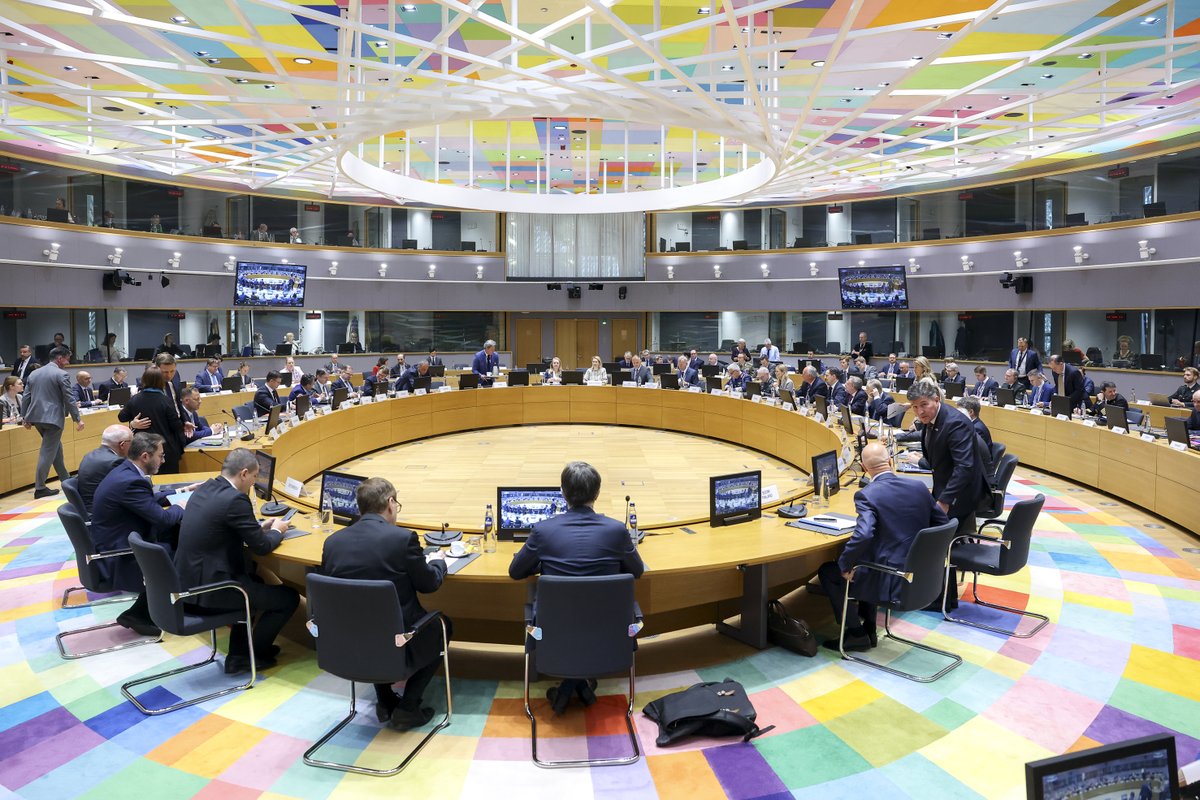
The Foreign Affairs Council in defence format is being chaired by EU High Representative Kaja Kallas and brings together defence ministers from the 27 member states. The meeting comes as European governments face simultaneous pressure to sustain military assistance to Ukraine, reinforce their own defence capabilities and assess the wider impact of conflict in the Middle East on European security.
The Council agenda includes an exchange on EU military support for Ukraine following a video discussion with Ukrainian Defence Minister Mykhailo Fedorov and NATO Deputy Secretary General Radmila Shekerinska. The talks are expected to cover Ukraine’s immediate battlefield requirements, including air defence, ammunition, drones and support for domestic defence production.
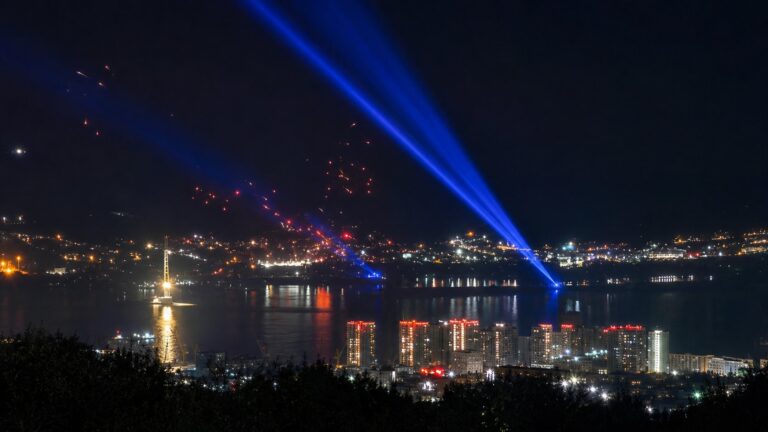
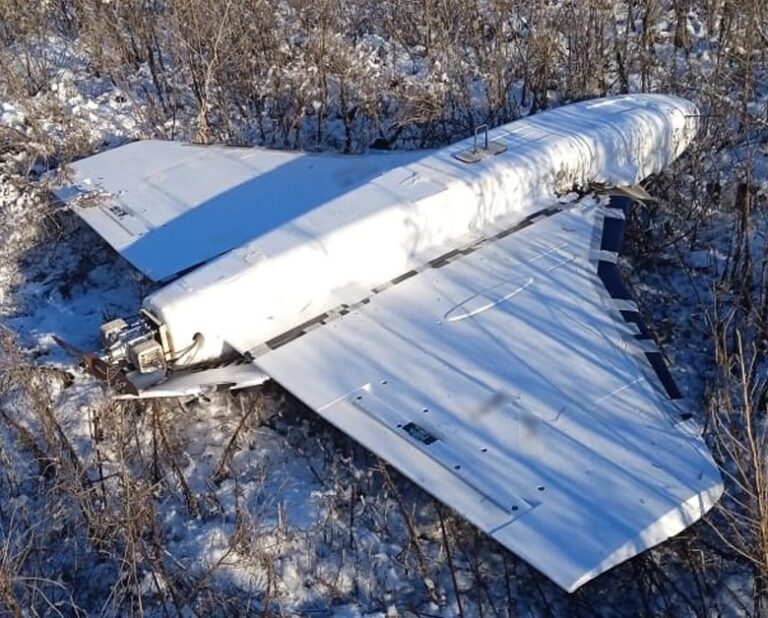
The meeting follows another night of large-scale Russian drone attacks on Ukraine after the expiry of a three-day ceasefire window linked to Russia’s Victory Day commemorations. Ukraine’s air force said Russia launched more than 200 drones from Monday evening, with most intercepted or suppressed by air-defence and electronic-warfare systems. The timing gives additional weight to Kyiv’s argument that short ceasefire arrangements have limited value without verifiable reductions in Russian strike activity.
Kallas said on arrival that defence ministers would discuss Ukraine’s requirements and Europe’s ability to provide them. Her press remarks placed Ukraine support alongside wider work on defence readiness, reflecting the EU’s view that assistance to Kyiv and the strengthening of Europe’s own industrial and military base are now closely linked.
For EU defence policy, the issue is no longer limited to supplying equipment from existing stocks. Member states are also examining how to expand production capacity, coordinate procurement and reduce fragmentation across European defence industries. The war in Ukraine has exposed shortages in ammunition, air-defence systems, long-range fires, surveillance assets and counter-drone technologies, while also accelerating debate over Europe’s ability to sustain military support over several years.
The Brussels meeting will also include a presentation on the updated comprehensive EU threat analysis. This process is intended to inform defence-readiness planning and capability priorities. It reflects a broader shift in EU defence policy since Russia’s full-scale invasion of Ukraine, with greater emphasis on military mobility, stockpiles, defence-industrial capacity, cyber resilience and protection of critical infrastructure.
The EU’s Strategic Compass, adopted in 2022, already set out plans for a stronger European security and defence posture by 2030. However, the pace of the war in Ukraine, the scale of Russian drone and missile production, and uncertainty over long-term American political commitments have pushed member states to revisit the practical implementation of those objectives.
A second major item on today’s agenda is the Middle East. Defence ministers are due to discuss the security implications for Europe of the latest developments in the region, including the war involving Iran and its impact across neighbouring states. The Council’s agenda note links the Middle East discussion directly to European defence and security, rather than treating it solely as a diplomatic crisis.
That reflects several practical concerns for European governments. A wider regional conflict could affect energy markets, maritime security, airspace management, military deployments and the security of European personnel and assets in the region. It could also increase demand for air-defence, naval and intelligence capabilities at a time when those same resources are already central to support for Ukraine and NATO deterrence.
The discussion is therefore likely to reinforce a central problem for European defence planning: the EU and its member states are being required to address multiple theatres and risk areas at the same time. Ukraine remains the immediate priority, but the Middle East has become an additional test of Europe’s ability to assess threats, coordinate responses and protect strategic interests.
The meeting also comes as the EU seeks to define a clearer relationship between its own defence-readiness agenda and NATO’s collective-defence role. The participation of NATO’s deputy secretary general in the Ukraine session underlines the extent to which the two tracks overlap. EU instruments can support procurement, industrial capacity, financing and military mobility, while NATO remains the primary framework for territorial defence among allied states.
For Ukraine, the central question remains whether European pledges can be translated into timely deliveries. Air defence and ammunition are among the most urgent requirements, but Ukraine has also placed growing emphasis on drones, counter-drone systems, electronic warfare and joint defence-industrial projects. These areas are likely to shape future European support packages as the war continues to evolve.
For the EU, today’s meeting is another step in turning defence readiness from policy language into operational planning. Ministers are not expected to resolve all capability gaps in one session. However, the combination of Ukraine’s continuing requirements, Middle East security risks and the updated threat analysis gives the meeting a broader significance.