

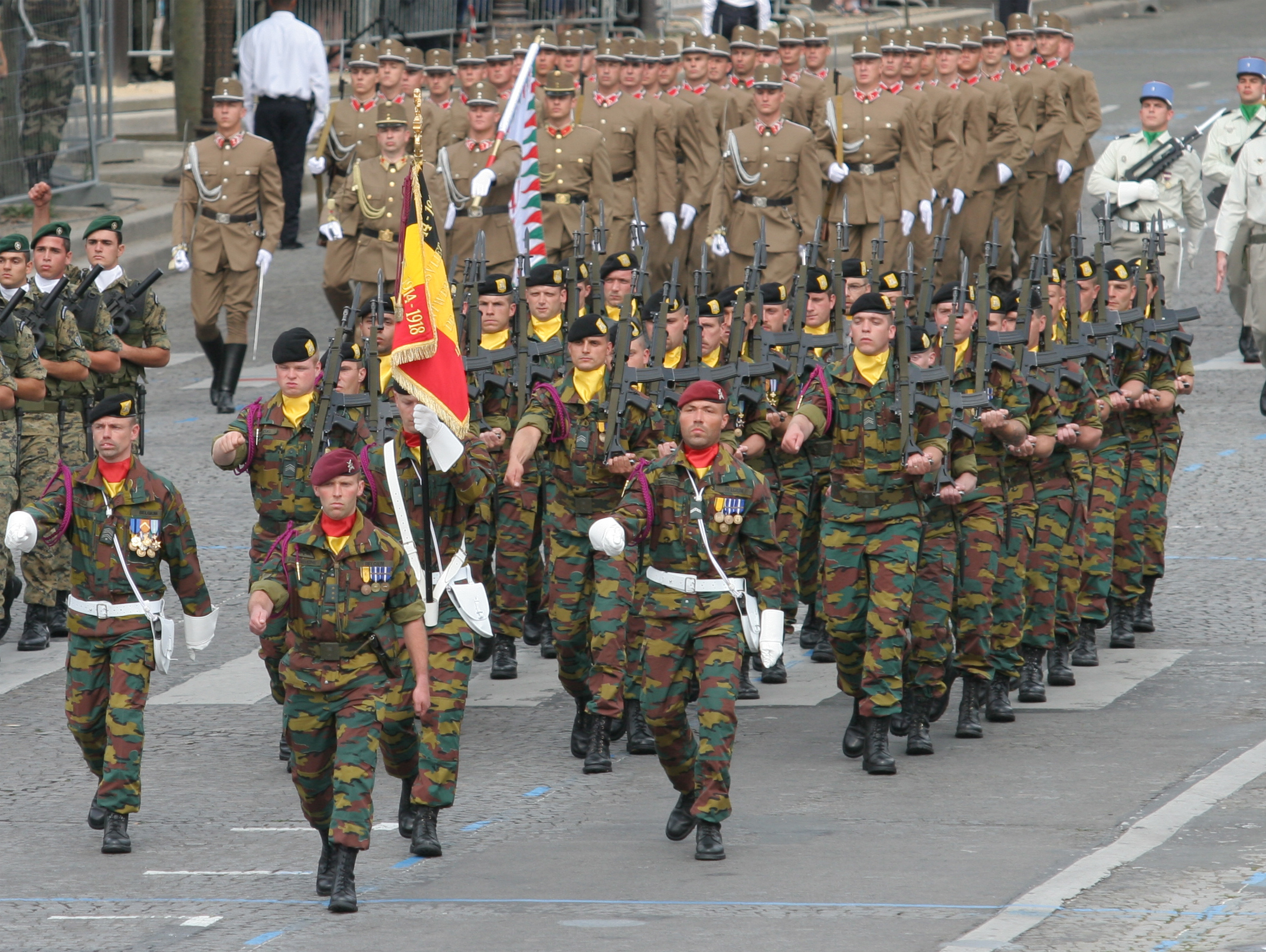
The latest recruitment figures for the Belgian armed forces offer something increasingly rare in European public life: good news grounded in national purpose.
According to figures released this week, Belgium recruited 2,993 professional soldiers in 2025 — the highest annual intake in five years. The increase is not merely statistical. It reflects a broader shift in attitudes among young Belgians, many of whom are rediscovering the value of service, discipline and civic duty in an increasingly uncertain world.
The rise has been especially notable among officers and non-commissioned officers, precisely the categories modern militaries most desperately need. Officer recruitment climbed from 352 in 2021 to 509 last year, while the number of non-commissioned officers rose from 1,017 to 1,181. Reservist numbers have also surged, with 800 recruits joining in 2025 — roughly double the figure recorded four years earlier.
At first glance, Belgium may seem an unlikely candidate for a military revival. For decades, the country embodied the post-Cold War European consensus that large-scale conflict on the continent belonged firmly to the past. Defence spending was constrained, recruitment often struggled and military service faded from the national consciousness.
But the world has changed dramatically.
Russia’s invasion of Ukraine shattered long-held assumptions about European security, while growing instability across the globe has reminded many nations that peace cannot simply be taken for granted. NATO allies, including Belgium, have increasingly recognised that credible defence requires not only equipment and spending, but people — motivated, skilled and adaptable citizens willing to serve.
The encouraging aspect of Belgium’s recruitment success is that it appears driven not by fear, but by confidence and opportunity. The modern Belgian military is no longer viewed solely through the narrow lens of combat roles. As MP Axel Weydts observed, Defence today recruits engineers, cyber specialists, technicians and IT professionals alongside frontline soldiers.
That evolution matters enormously.
For younger Belgians navigating a rapidly changing labour market, the armed forces increasingly offer something few institutions can match: structured career development, technical training, international experience and a sense of mission larger than oneself. In an age often criticised for fragmentation and isolation, military life offers belonging, teamwork and purpose.
Equally striking is the growing number of women entering the armed forces, particularly in senior and specialist pathways. Female officer recruitment has risen by almost 58 per cent since 2021, a remarkable transformation that speaks to a military becoming more representative of the society it serves.
This is not simply about numbers on a spreadsheet. It is about cultural renewal.
Belgium’s armed forces are proving that patriotism in the 21st century need not be loud or ideological. It can instead be practical, professional and quietly determined. Young recruits are not signing up because they romanticise war. They are joining because they understand the importance of resilience, solidarity and preparedness in an unstable era.
Defence Minister Theo Francken has also recognised that recruitment success must be accompanied by long-term ambition. Belgium plans to significantly expand its defence workforce over the coming decade, while introducing a voluntary service year aimed at younger citizens seeking experience, training and public service opportunities.
Critics will inevitably question the cost. Defence spending always attracts scrutiny, particularly in countries facing pressure on healthcare, pensions and public services. Yet the past four years have demonstrated the price of complacency. Europe’s security environment has altered fundamentally, and governments that ignore this reality do so at their peril.
Moreover, the benefits of military investment extend beyond defence itself. Recruitment stimulates technical education, strengthens national infrastructure and creates pathways for social mobility. The armed forces frequently provide opportunities to young people who might otherwise struggle to access advanced training or stable careers.
Belgium’s achievement should therefore be viewed as more than a military story. It is a national success story.
In many Western societies, public institutions have suffered from declining trust and waning confidence. Yet the Belgian military appears to be moving in the opposite direction — attracting motivated recruits precisely because it still embodies competence, structure and collective responsibility.
There is also a wider European lesson here. The continent’s future security will depend not solely on weapons systems or diplomatic summits, but on whether democratic societies can still inspire citizens to contribute to the common good.
Belgium’s rising military recruitment figures suggest the answer may be yes.
Far from signalling militarism, this renewed interest in service reflects something healthier and more balanced: a generation that understands freedom carries obligations as well as rights. In a turbulent age, that may prove one of the most reassuring developments Europe has seen in years.
Main Image: By davric – Own work, Public Domain, https://commons.wikimedia.org/w/index.php?curid=2439419
Soldiers in Short Supply: Europe’s Armed Forces Face a Recruitment Reckoning


Trump’s VA Gamble: Less Bureaucracy, More Service