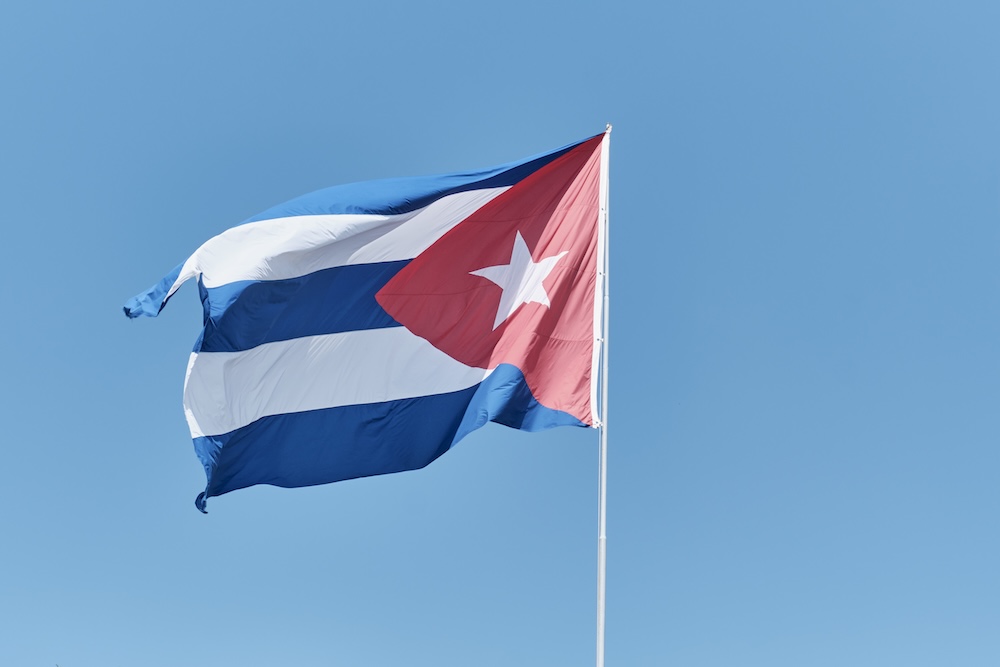
Cuba has accused the United States of fabricating intelligence about a drone threat, in a dispute that has added a new military dimension to the worsening confrontation between Washington and Havana.
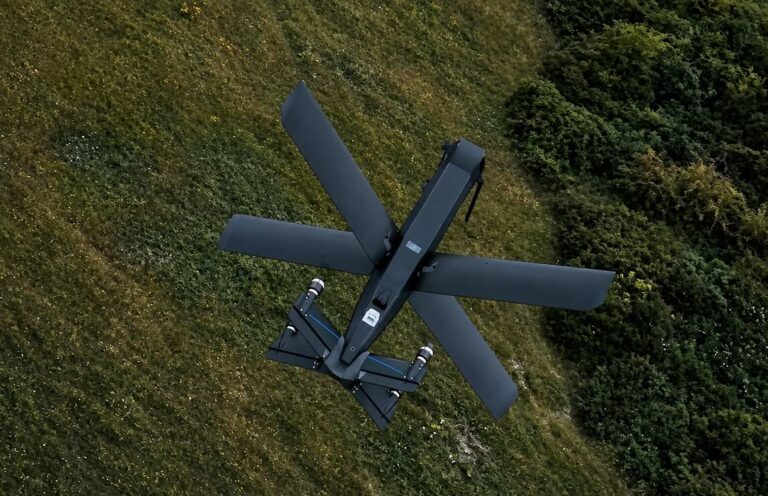
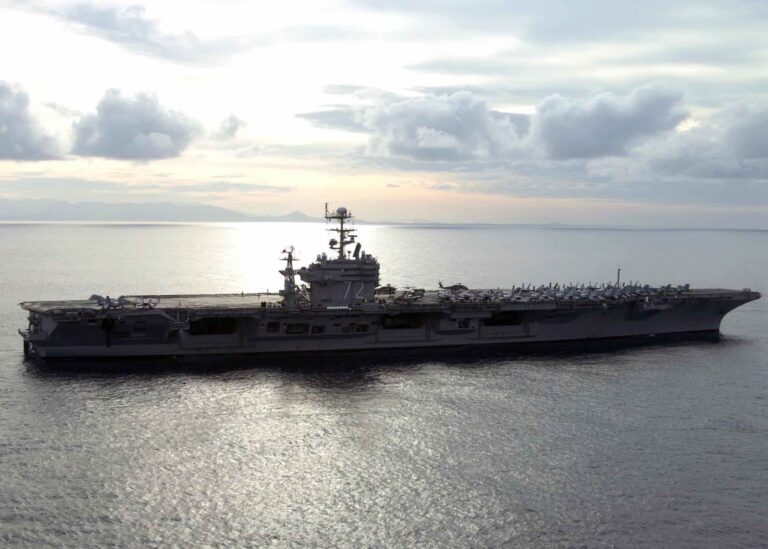
Bruno Rodríguez, Cuba’s foreign minister, said the US was building a “fraudulent case” to justify sanctions and possible military action. His comments followed reporting that Cuba had acquired more than 300 military drones and had discussed possible strikes on the US naval base at Guantánamo Bay, American military vessels and Key West, Florida.
The claims, attributed to classified US intelligence, have not been independently verified. The reporting said American officials did not assess an attack as imminent, but viewed Cuba’s drone programme as a growing security concern, particularly in light of Havana’s links with Russia and Iran.
Mr Rodríguez said Cuba “neither threatens nor desires war”, but was preparing to resist external aggression under the right of self-defence recognised by the UN Charter. His statement did not directly address whether Cuba possesses the drones described in the US assessment.
The episode comes at a sensitive moment. In Washington, Cuba’s armed forces are no longer being viewed solely as a conventional military concern, but also as a possible drone threat close to US territory, including Florida and the Guantánamo base. The issue also appears to form part of a wider Trump administration effort to increase pressure on Havana, while Cuban officials signal that any US coercive move could prompt a defensive response, potentially shaped by foreign military advisers.
The dispute has also been accompanied by reports that US prosecutors are preparing charges against Raúl Castro, the 94-year-old former Cuban leader, over the 1996 downing of two aircraft operated by Brothers to the Rescue, a Cuban exile organisation. Four men were killed in the incident. Cuba said the aircraft were in Cuban airspace; the US position, later supported by the International Civil Aviation Organization, was that they were over international waters.
For Washington, the question is whether Cuba’s military relationships with Russia and Iran now create a direct security risk close to the American mainland. For Havana, the allegation is being framed as a pretext: intelligence claims, criminal proceedings and sanctions pressure combining into a case for coercive action.
The risk is that both readings become self-reinforcing. A US warning intended as deterrence may be treated in Havana as preparation for attack. Cuban military planning described as defensive may be read in Washington as evidence of hostile intent.
That dynamic matters because drones have changed the cost and geography of escalation. A state does not need a large air force to threaten fixed military sites or symbolic targets. Nor does it need strategic depth if its adversary is close enough. Guantánamo, naval vessels operating nearby, and Florida all sit within a political and military space in which miscalculation would carry immediate consequences.
There is still no public evidence that Cuba is preparing an attack on the United States. But the language on both sides has moved quickly from sanctions and legal pressure to self-defence, military warnings and possible targets.
For President Donald Trump, pressure on Cuba may appear to offer a clear political message at home: confrontation with one of America’s oldest adversaries, in a region where Washington has long claimed strategic primacy. Yet Cuba is not Venezuela, and it is not Iran. Its proximity, political history and potential links with Moscow and Tehran make any coercive move harder to contain.
The drone allegations may yet remain an intelligence dispute. But if they become the basis for policy, Washington and Havana could find themselves entering a crisis in which each side claims to be acting defensively, while preparing for a confrontation neither can fully control.