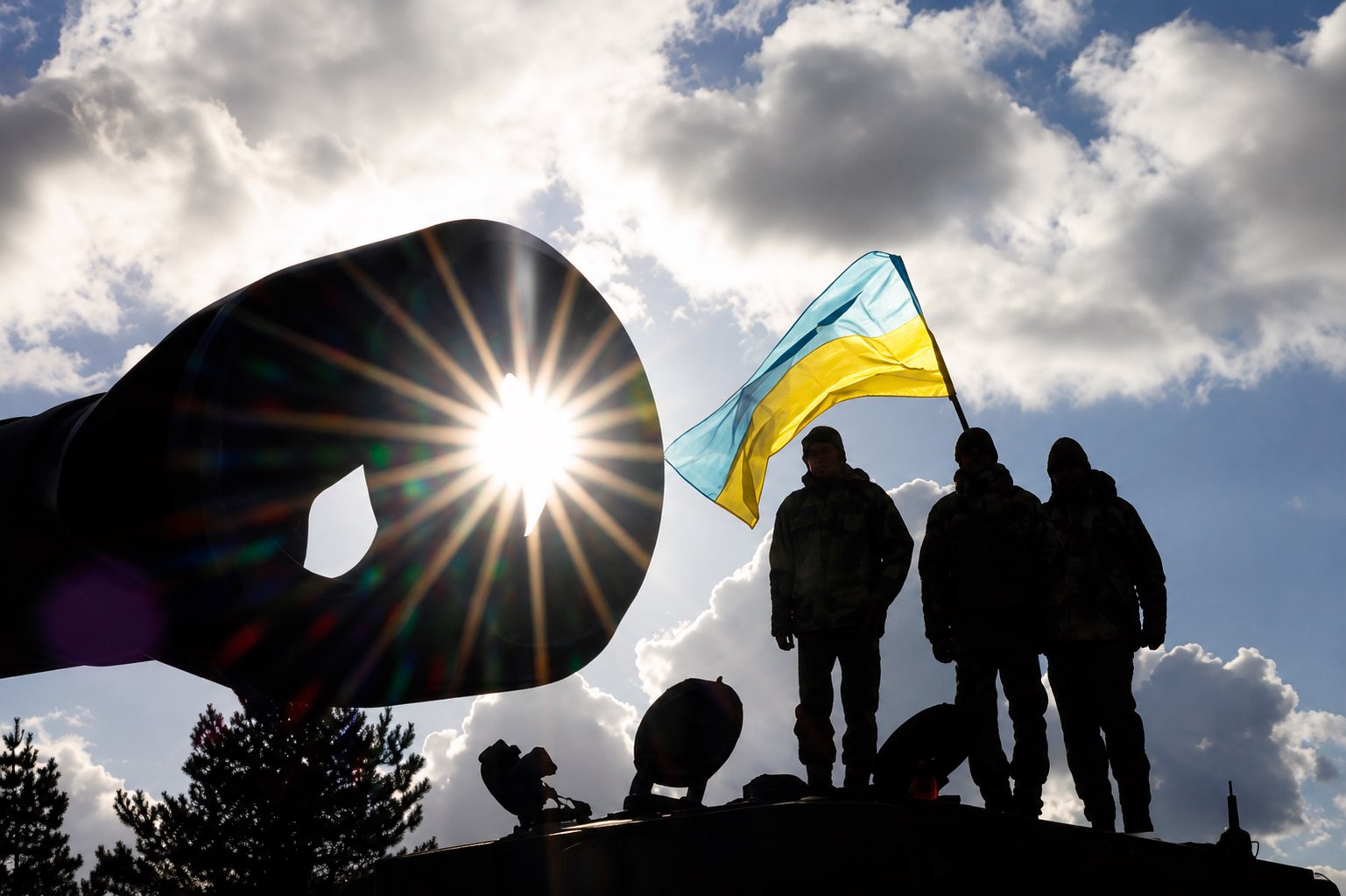
The transition marks a new chapter for Operation Interflex, the British-led multinational initiative that has trained more than 63,000 Ukrainian personnel since its launch in 2022. Originally conceived as an emergency response to Russia’s full-scale invasion, the programme provided accelerated infantry training to tens of thousands of recruits, helping Ukraine replenish heavy battlefield losses during the conflict’s most intense phases.
Now, as the war enters its fifth year and Ukraine’s military becomes increasingly experienced, British defence officials say the focus is changing. Rather than preparing large numbers of civilian volunteers for frontline service, the programme will increasingly concentrate on specialist capabilities, leadership development and advanced military skills requested by Ukraine’s Ministry of Defence.
The move reflects the evolution of the conflict itself. What began as an urgent struggle for national survival has become a grinding war of attrition characterised by drone warfare, electronic warfare, precision strikes and increasingly sophisticated battlefield tactics. Ukrainian forces have gained hard-earned combat experience, creating demand for more advanced forms of training than the basic infantry courses that defined Interflex’s early years.
British Defence Secretary John Healey described the programme as a symbol of international support for Ukraine, emphasising that Britain and its allies would continue adapting assistance to meet Kyiv’s changing requirements. The revised framework will bring together various UK-led training efforts under a single structure, covering activities both within Britain and abroad.
Operation Interflex has become one of the largest military training initiatives undertaken by Britain since the Second World War. Conducted across multiple military sites in the UK, the programme has involved instructors from more than a dozen allied nations, including Canada, Australia, New Zealand, Sweden, Norway, Finland and the Netherlands.
The scale of the undertaking has been remarkable. British trainers compressed months of conventional infantry instruction into intensive five-week courses designed to prepare recruits for immediate deployment. Participants received instruction in weapons handling, battlefield first aid, urban warfare, trench fighting and military leadership. Over time, the curriculum expanded to include specialist training on Western-supplied equipment, drone operations and other capabilities increasingly central to modern warfare.
Yet the relationship has become increasingly reciprocal. British officers involved in the programme have acknowledged that Ukrainian troops, hardened by years of combat against Russian forces, have also transformed Western military thinking. Lessons learned from Ukraine’s extensive use of drones, battlefield fortifications and improvised defensive measures have begun influencing British doctrine and training methods.
This exchange of experience has highlighted how rapidly warfare is evolving. Technologies that were once regarded as niche capabilities have become decisive battlefield tools, while assumptions embedded in decades of NATO military planning have been challenged by the realities of large-scale conventional combat. Ukrainian soldiers arriving in Britain increasingly bring practical expertise from the front lines, creating a two-way flow of knowledge between trainers and trainees.
The decision to emphasise specialist instruction also reflects changing manpower dynamics. During the war’s early stages, Ukraine urgently needed large numbers of trained infantry soldiers. Today, military planners are placing greater emphasis on enhancing the effectiveness of experienced personnel through advanced courses tailored to specific operational requirements.
For Britain, the programme remains a central pillar of its support for Ukraine, alongside military aid, intelligence sharing and diplomatic backing. While political debates continue across Europe and North America over the long-term costs of supporting Kyiv, London has consistently presented military training as one of the most effective ways to strengthen Ukraine’s defence capabilities without deploying combat troops directly into the conflict.
As Operation Interflex enters its fifth year, its transformation underscores a broader reality of the war. The challenge facing Ukraine is no longer simply generating enough soldiers to hold the line. Increasingly, it is about developing the specialised expertise needed to prevail in one of the most technologically complex and demanding conflicts of the 21st century. Britain’s training mission, like the war itself, is adapting accordingly.