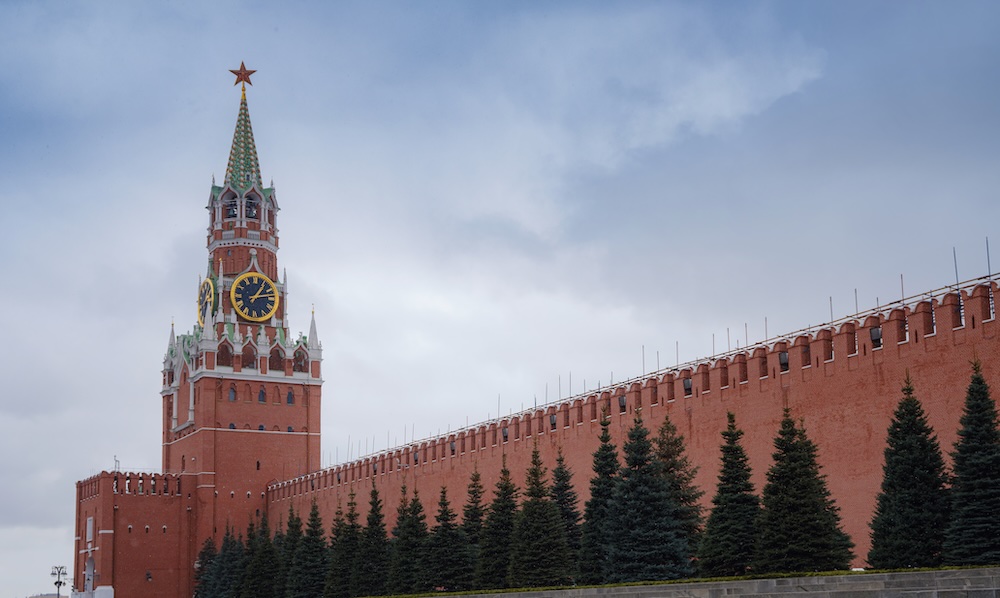
Speaking to Russian state television, Ushakov said Moscow was no longer focused on the implementation of the agreements reached in Anchorage. Instead, he argued that Russia should look to events on the front line. In diplomatic language, this is a signal. The Kremlin is implying that if political pressure fails to secure its objectives, military pressure will remain the alternative.
The shift is notable because only days earlier Sergei Lavrov had presented the Anchorage framework as the basis for a possible settlement. He said Moscow remained committed to the approaches proposed by the American side and accepted by Putin. Ushakov’s subsequent comments therefore suggest either a change in tone or an attempt to pressure Washington by suggesting that Russia is prepared to abandon diplomacy if it does not obtain the results it expected.
The “spirit of Anchorage” has never been clearly defined in public. Moscow has used the phrase to suggest that understandings were reached between Putin and President Donald Trump during their Alaska meeting. Western and Ukrainian officials, however, have avoided treating the phrase as a formal settlement framework. The ambiguity has been useful for Russia. It allowed the Kremlin to claim that a deal existed, while avoiding publication of its terms.
The central issue appears to be territory. According to accounts linked to the forthcoming book Regime Change by Maggie Haberman and Jonathan Swan, Putin’s reported approach was summarised through a “3+2” formula. The phrase referred to Crimea, Donetsk and Luhansk as the first three, with Zaporizhzhia and Kherson as the additional two. The reported episode describes Putin writing the formula during a meeting with Steve Witkoff, who was involved in Trump’s Ukraine diplomacy, and treating it as a shorthand for Russia’s territorial objectives.
That account should be treated as a reported claim rather than a public diplomatic document. Nevertheless, it fits the wider pattern of Russian demands. Moscow has repeatedly insisted that the territorial issue is central to any settlement, while US envoys Steve Witkoff and Jared Kushner have been involved in talks with Putin in which the territorial question was described as a key obstacle.
If the “3+2” formula accurately reflects the substance of the Anchorage discussions, it would explain why Ukraine and European governments reacted so firmly after the Alaska meeting. It would also explain why subsequent diplomacy placed such emphasis on preventing any settlement imposed without Kyiv’s consent. For Ukraine, ceding territory under pressure would not be a compromise. It would validate Russia’s use of war as a method of redrawing borders.
Ushakov’s latest remarks suggest frustration in Moscow. The Kremlin appears to have expected that pressure from Washington could soften Ukraine’s position. That has not happened. Ukraine’s political leadership has not accepted territorial concessions, while Ukrainian society and the armed forces have continued to resist any settlement built around surrendering sovereign territory.
Europe’s position has also mattered. After Anchorage, European leaders moved quickly to make clear that no durable settlement could be negotiated over Ukraine’s head. That position has become more visible as relations between Washington and European capitals have come under strain. European governments have increasingly signalled that support for Ukraine cannot depend solely on the internal calculations of the Trump administration.
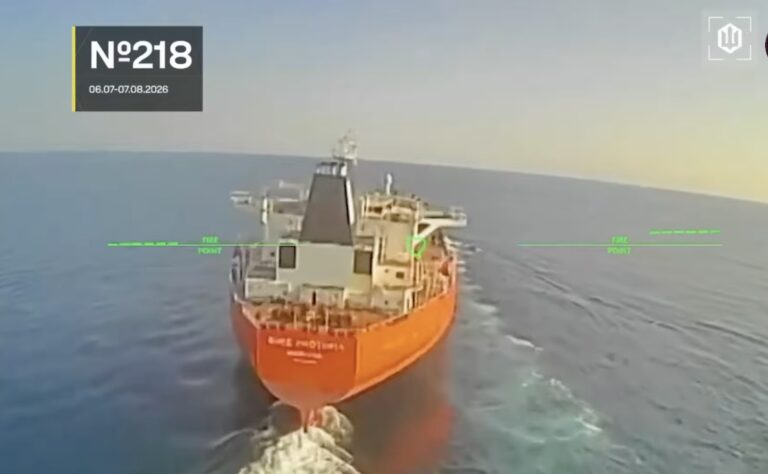
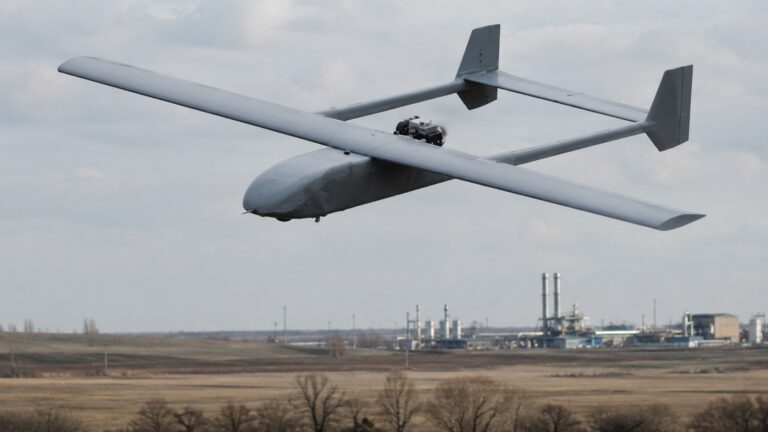
The military picture also complicates Moscow’s diplomacy. Russia continues to apply pressure in parts of the front, but the broader situation is not one of uncontested Russian momentum. Ukraine has expanded its long-range strike campaign against Russian logistics, oil infrastructure and air-defence assets. Crimea, once presented by Moscow as a secure rear area, is now under growing operational pressure. The Kerch Bridge and the land corridor to occupied Crimea have become symbols of Russia’s exposure rather than its permanence.
Crimea Fuel Halt Shows Ukraine’s Drone Campaign Is Moving From Strikes to Sustained Pressure
Belarus is also part of this wider picture. Kyiv has warned that infrastructure used to assist Russian missile and drone attacks from Belarusian territory may become a target. This reflects a broader Ukrainian effort to reduce the usefulness of Russian staging grounds beyond the immediate front line.
In this context, Ushakov’s reference to the front line is not only a military statement. It is also a diplomatic admission. Moscow is indicating that the political route it hoped to exploit after Anchorage has not produced the result it wanted. The Kremlin may still believe time and attrition can improve its position, but the idea that Washington can simply force Ukraine into accepting Russia’s maximalist territorial claims appears to have weakened.
The episode also exposes a wider problem for Trump’s Ukraine diplomacy. Any settlement formula that begins with Russia’s territorial demands, rather than Ukraine’s sovereignty and security, is unlikely to survive contact with Kyiv or Europe. Even if Washington and Moscow discuss such terms, they cannot become a stable settlement without Ukrainian consent.
The “Anchorage” formula therefore appears less like a peace plan than a test of political will. Ukraine rejected the logic of imposed concessions. Europe, despite internal divisions, did not give diplomatic cover to a settlement based on Russian territorial gains. Moscow’s latest signal suggests that this resistance has disrupted the Kremlin’s expectations.
For Russia, the message is that the war will continue until its objectives are achieved. For Ukraine and Europe, the lesson is different: clarity and resistance can prevent diplomatic ambiguity from becoming territorial surrender.