The proposed initiative, known as the Programme for Agile and Rapid Defence Innovation (AGILE), reflects a growing recognition in Brussels that modern conflicts are increasingly shaped by technology cycles measured in months rather than years. The programme is intended to help European armed forces and defence companies adopt emerging technologies more quickly, while also improving the ability of promising innovations to scale across the continent.
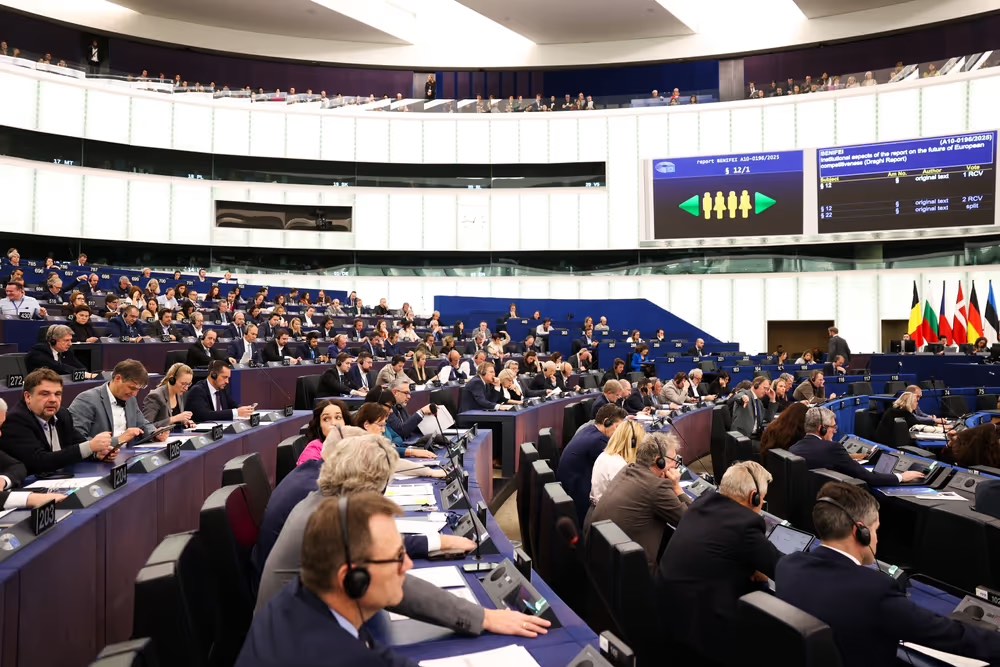
The vote by the European Parliament’s Industry, Research and Energy Committee alongside the Security and Defence Committee comes against a dramatically altered geopolitical backdrop. Russia’s war against Ukraine has exposed both the strengths and weaknesses of Europe’s defence industrial base. While European governments have increased military spending, policymakers have become increasingly concerned that innovation often moves too slowly from laboratory to deployment.
AGILE seeks to address that gap.
The programme is designed around the idea that Europe must become better at identifying disruptive technologies early and helping them reach operational use. This includes support for emerging sectors such as artificial intelligence, autonomous systems, advanced sensors, cybersecurity, space technologies and next-generation communications. The goal is not merely to fund research but to ensure that promising developments are rapidly adopted by military users.
One of the most notable aspects of the proposal is its emphasis on small and medium-sized enterprises and defence start-ups. European lawmakers have argued that innovative firms often struggle to navigate complex procurement systems and fragmented national regulations. The committees therefore proposed simplifying access to the programme and reducing administrative burdens for smaller companies seeking support.
The initiative reflects a broader shift in European thinking about defence. For decades, security policy was often viewed as primarily the responsibility of individual member states and, ultimately, NATO. That approach is evolving as Europe seeks greater strategic resilience and industrial capacity in an increasingly uncertain international environment.
Recent years have already seen the expansion of instruments such as the European Defence Fund and new efforts to encourage joint procurement among member states. AGILE builds upon those foundations by focusing specifically on innovation and rapid technological adaptation.
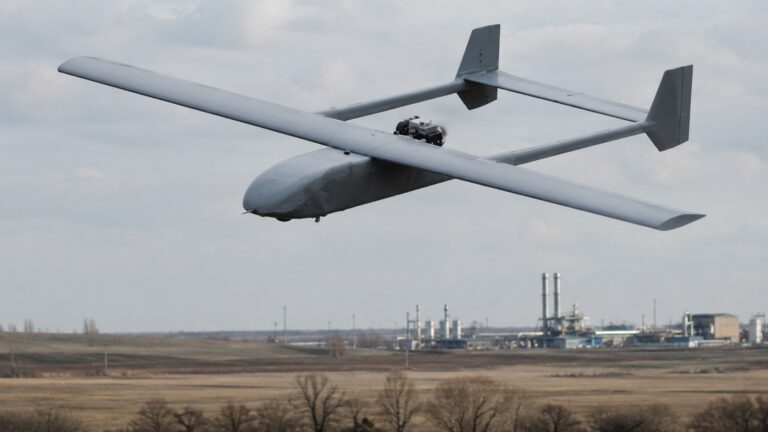
Supporters argue that Europe cannot afford lengthy development cycles at a time when military technologies are advancing at unprecedented speed. The battlefield lessons emerging from Ukraine have demonstrated how commercially available drones, software solutions and rapidly evolving electronic warfare systems can alter operational realities in remarkably short periods. Traditional procurement models, critics argue, often struggle to keep pace with such developments.
The programme also contains a significant political dimension. MEPs have proposed that any products developed under AGILE should remain eligible for procurement by Ukraine, reinforcing the close relationship between European defence policy and support for Kyiv. That provision reflects the growing integration of Ukrainian operational experience into European defence planning.
For Europe’s defence industry, the initiative could create new opportunities. Investors have shown increasing interest in defence technology ventures, particularly those operating at the intersection of software, artificial intelligence and autonomous systems. By providing clearer pathways from innovation to deployment, AGILE could help attract additional private capital into the sector.
Yet challenges remain. Europe’s defence landscape remains fragmented, with national procurement priorities, varying military requirements and differing industrial interests often complicating cooperation. The ultimate success of AGILE will depend not only on funding but also on the willingness of member states to adopt common approaches and share technological developments across borders.
Nevertheless, the parliamentary committees’ endorsement sends a clear signal. Europe is increasingly convinced that future security will depend not merely on spending more money, but on innovating faster. As geopolitical tensions continue to reshape strategic priorities, Brussels appears determined to ensure that European defence technology can move at the pace demanded by a rapidly changing world.
Whether AGILE ultimately delivers on those ambitions remains to be seen. But its approval marks another indication that defence innovation is no longer a niche policy concern in Europe. It has become a central pillar of the continent’s emerging security strategy.