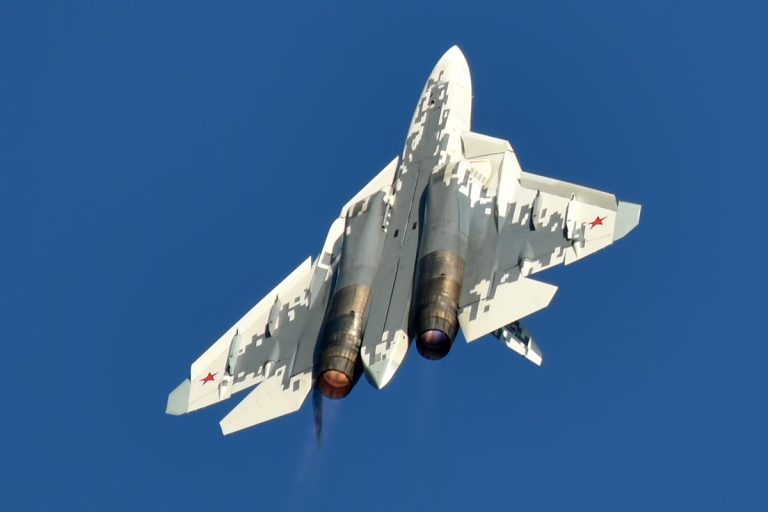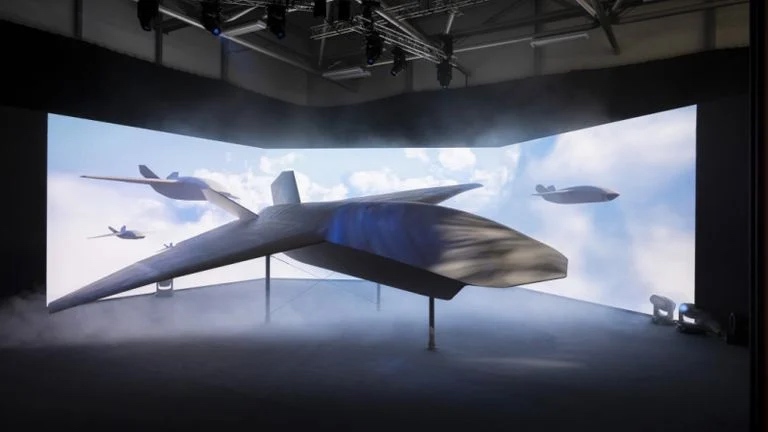
Boeing, Airbus, General Atomics, Anduril and other manufacturers are competing for a rapidly expanding market in autonomous combat aircraft designed to fly with piloted fighters. Reuters aerospace reporting from Farnborough described a race that has moved beyond speculative concepts into demonstrators, production contracts, partnerships and timelines tied to air-force procurement.
The category is often called collaborative combat aircraft, loyal wingmen or autonomous fighters. The labels vary, but the military problem is consistent. Air forces have too few expensive crewed fighters for prolonged high-intensity war. They need additional sensors, weapons stations, decoys and electronic-warfare platforms that can fly into danger without risking a pilot every time. Autonomous aircraft promise combat mass at lower cost.
The US Air Force expects such systems to cost one-third or less of an F-35 and plans to procure more than 150 combat-capable aircraft by the end of the decade, according to the Reuters account. That target is strategically important because it turns the concept into a production race. A few prototypes do not change air power. Hundreds of aircraft, integrated with crewed fighters and command networks, can.
Defence Matters recently covered BAE’s Brontanax entry into Britain’s uncrewed fighter race. The wider Farnborough contest shows why that programme matters. Europe risks falling behind not only in aircraft design, but in operational experimentation. The country or company that learns fastest how to use collaborative aircraft will shape doctrine before competitors finish procurement debates.
The airframe is the visible part of the competition. The deeper contest is autonomy. A collaborative aircraft must understand mission intent, maintain formation, avoid threats, react to electronic warfare, coordinate sensors and weapons, and obey rules of engagement. Human pilots cannot micromanage multiple unmanned aircraft in combat. The autonomy stack must be trusted enough to reduce workload without surrendering unacceptable control.
That raises a European dependency question. If European air forces buy US autonomous aircraft, they may gain capability quickly but depend on US software, mission-data updates, communications standards and export permissions. If they build European systems, they may preserve sovereignty but risk slower delivery and higher fragmentation. The same dilemma has shaped fighters, missiles and drones for decades. Autonomy makes it sharper because software updates can determine tactical relevance.
Data integration is equally important. Collaborative aircraft must connect to F-35, Eurofighter, Rafale, GCAP, FCAS, ground command systems, satellites and electronic-warfare networks. The owner of the data architecture will influence which platforms can operate together and which missions are available. Industrial dependency can therefore hide inside interfaces rather than factories.
Production scale is the third challenge. The concept only works if aircraft are affordable enough to buy in numbers and risk in combat. If requirements grow until each system costs close to a crewed fighter, commanders will treat them as too valuable to lose. That would defeat the purpose. Manufacturers must balance survivability, sensors, payload and cost discipline.
Anduril and other newer firms argue that software-first development and faster iteration can beat traditional defence cycles. Established primes argue that combat aviation requires certification, safety, integration and sustainment that start-ups often underestimate. Both arguments have merit. The likely winners will combine speed with reliability, not one at the expense of the other.
For Europe, the danger is fragmentation. Britain is tied to GCAP with Italy and Japan. France, Germany and Spain struggle with FCAS. Airbus has its own interests. BAE, Leonardo, Dassault, Saab and others all want industrial relevance. If each national path produces incompatible autonomous systems, Europe may spend heavily without achieving scale.
The US has an advantage because it can create large programmes with clearer demand signals. That attracts suppliers, investors and software talent. Europe can compete only if it defines requirements quickly, funds experimentation and avoids turning every unmanned aircraft into a sovereignty compromise among governments.
The strategic urgency is clear from Ukraine and the Middle East. Drones, missiles, electronic warfare and air defence are reshaping the cost of air operations. Crewed fighters remain essential, but they need companions that can extend reach, absorb risk and complicate enemy targeting. The question is whether Europe will field those companions as sovereign systems or buy into someone else’s architecture.
The autonomous fighter race is therefore a dependency race. Whoever controls autonomy, mission data and production scale will shape future air combat. Europe can still compete, but only if it treats collaborative aircraft as a core combat-air programme rather than an air-show accessory.