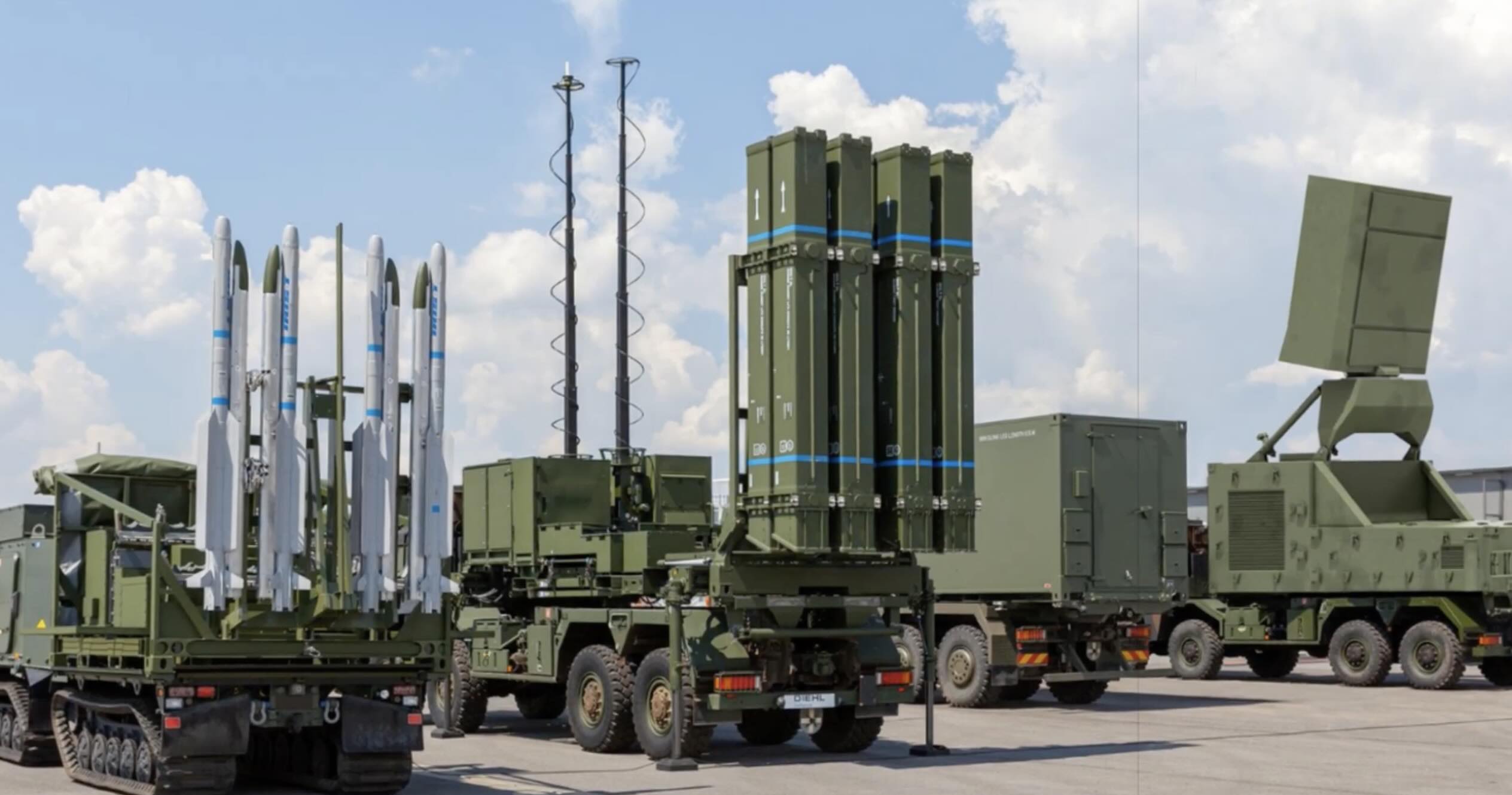
Greece’s national security council is expected to approve contracts worth up to 3.5 billion euros for an Israeli-centred air-defence system, moving one of Europe’s most ambitious current air and missile-defence procurements from concept into contracting. Reuters reported that the KYSEA security council is due to approve the purchase of the multi-layer Achilles Shield, with Rafael and Israel Aerospace Industries systems forming the core, alongside additional drone purchases from Israel and the United States.
The purchase should not be read as a routine replenishment order. Greece already operates US Patriot systems and ageing Russian S-300s, along with shorter-range air-defence assets acquired over decades. That inventory reflects older threat assumptions, alliance politics and procurement eras that did not require a fully integrated response to ballistic missiles, cruise missiles, drones and saturation attacks. Achilles Shield is an attempt to move from collection to architecture.
The need is clear. Modern air attack is layered. A hostile force can use cheap drones to locate radars, loitering munitions to hit air-defence launchers, cruise missiles to stress low-altitude coverage and ballistic missiles to strike command nodes or ports. A country cannot respond efficiently if each system fights its own battle. The value of a new architecture lies in sensors, command-and-control, interceptor allocation and electronic-warfare integration as much as in the missiles themselves.
That pressure is visible across Europe. Recent analysis of MBDA’s counter-mass interceptor work showed why cheap drone swarms can exhaust expensive air-defence magazines, while coverage of Lockheed’s lower-cost PAC-3 ACE concept underlined the same economic problem at the missile-defence level. Greece’s planned shield sits directly inside that shift from prestige interceptors toward layered cost control.
Greece’s long-running strategic problem is Turkey. Athens and Ankara are NATO allies, but their disputes over the Aegean, Cyprus, maritime zones and airspace keep Greek defence planning unusually intense for a European state. Greece spends a larger share of GDP on defence than most NATO members because it sees deterrence as a daily requirement, not an abstract alliance benchmark. A layered air-defence shield would strengthen protection of air bases, islands, ports, command centres and energy infrastructure.
The Turkish dimension does not mean Greece expects imminent war. It means procurement is shaped by the need to deny quick coercive advantage. Turkey has invested heavily in drones, missiles, indigenous aircraft projects, naval modernisation and electronic warfare. Greece has responded with Rafale fighters, planned F-35 acquisition, French and Italian frigates, and now an air-defence architecture intended to protect the operating base of those forces.
Israel is a logical partner in technical terms. Its companies have built systems under conditions of constant missile and drone pressure, and Israeli industry has experience combining interceptors, radars and command systems into layered defences. Greece and Israel already cooperate on air training, exercises, cybersecurity and counter-drone work. But the same logic creates dependence. If Rafael and IAI become the backbone of Achilles Shield, Greece will depend on Israeli supply chains, software updates, spare parts, training and political willingness to sustain the system through crises.
That dependence is not automatically a weakness. All modern air-defence systems create external dependency. Patriot depends on US production and upgrade cycles. SAMP/T depends on European industrial capacity. Israeli systems depend on Israeli firms and export controls. The question is whether Greece can negotiate enough sovereign control over command interfaces, data integration, maintenance and industrial participation to avoid becoming a passive customer.
Interoperability with NATO systems will be a decisive test. Greece cannot build a national shield that does not communicate cleanly with alliance air policing, NATO air command structures, F-35 data flows and maritime air-defence assets. Israeli systems can be highly capable, but integration with NATO classified networks is not a trivial administrative task. It involves encryption, data standards, rules of engagement, identification protocols and cyber protection.
There is also a replacement question around the S-300s. Russian-origin systems are increasingly awkward for NATO members. Spare parts, software support, sanctions exposure and intelligence-security concerns all complicate their continued use. Moving toward an Israeli-centred architecture helps Athens reduce reliance on Russian equipment while modernising at the same time.
The cost is substantial. Greece’s wider modernisation plan is reported at about 28 billion euros through 2036. Air defence must compete with ships, aircraft, ammunition, drones, cyber, personnel and sustainment. The danger in a large acquisition is that the capital purchase looks impressive while training, stockpiles and maintenance are underfunded. A shield is only credible if it has enough interceptors and if crews can operate it under electronic attack and saturation.
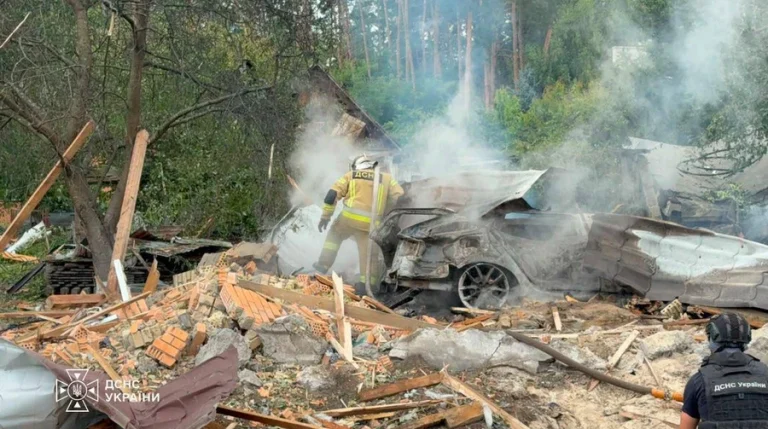
For Europe, the Greek decision has wider significance. Many states now understand that air defence is the central scarce commodity in modern war. Ukraine has shown that even advanced systems can be overstretched by sustained missile and drone campaigns. Greece is responding before such pressure is applied directly to its territory. That makes Achilles Shield not only a Greek procurement story, but part of Europe’s larger move toward integrated air and missile defence.
If KYSEA approves the contracts, the next questions will be delivery schedule, industrial workshare, interceptor stockpiles and integration with existing Patriot and future F-35 capabilities. The headline number will attract attention. The architecture behind it will decide whether Greece is buying equipment or building deterrence.