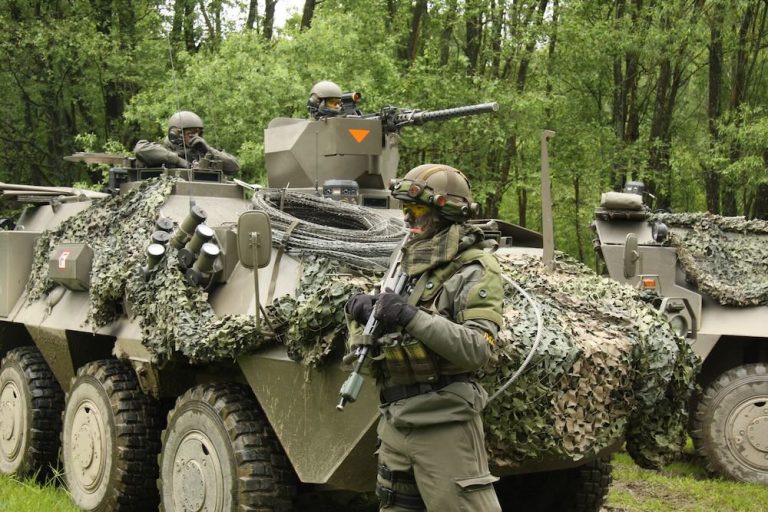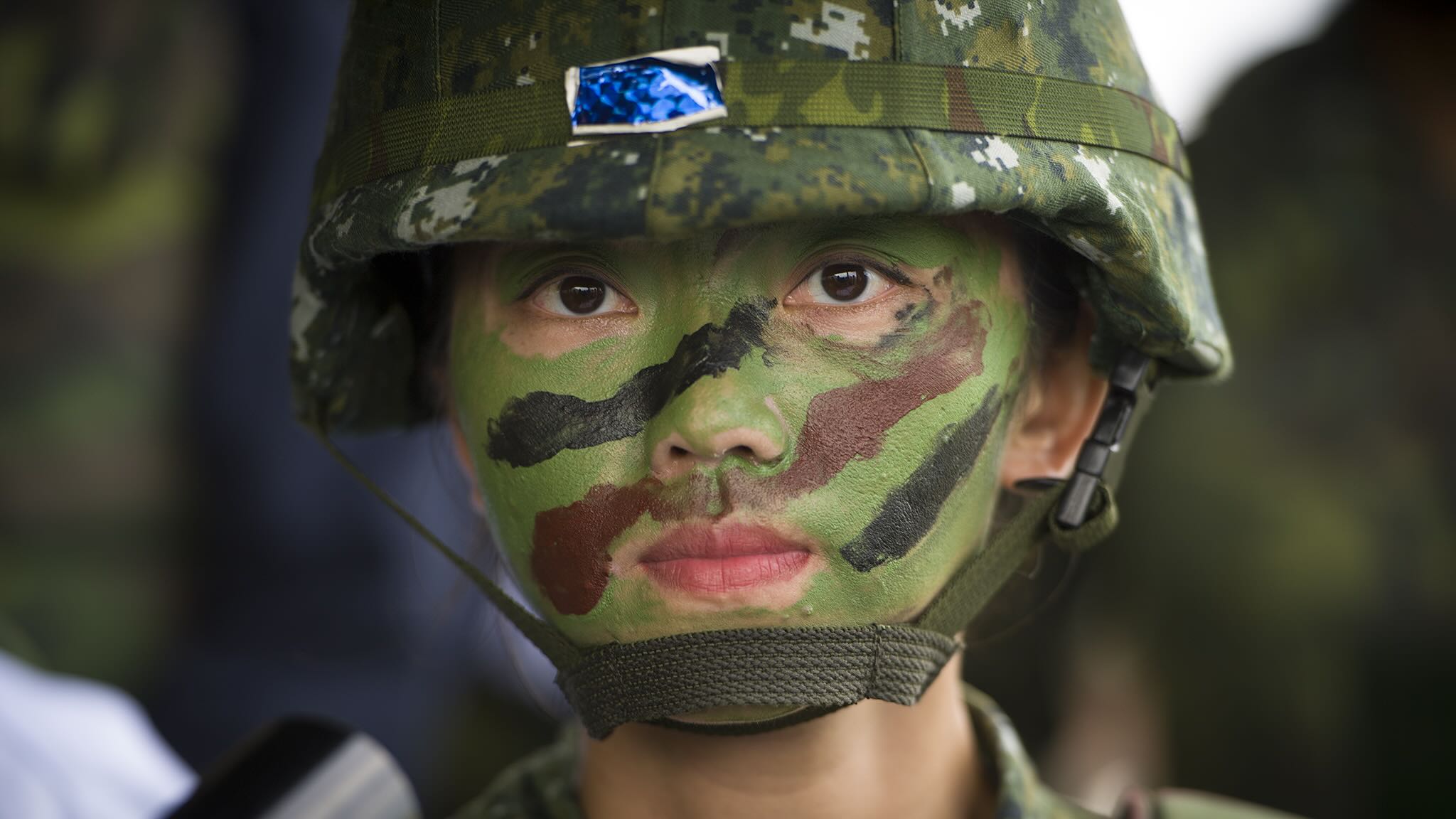
Taiwan’s Han Kuang exercise is moving beyond battlefield manoeuvres to test whether weapons production, communications and maritime support can survive the opening phase of a Chinese attack.
Taiwan will rehearse relocating part of its state arms industry and converting civilian factories to military production during next month’s Han Kuang exercise, an unusually practical test of how the island might continue fighting after its fixed infrastructure had come under attack.
The Taiwanese Ministry of National Defence said the live exercise would run from 5 to 14 August. Among the measures to be tested are the dispersal of the Armaments Bureau’s 202nd Arsenal, the emergency production of military supplies by civilian companies, the refitting of coastguard vessels for wartime tasks and the maintenance of sea lanes.
The exercise will also impose artificial disruption on mobile internet services. That is a significant detail. Modern military mobilisation depends on civilian communications, commercial logistics and public information systems that an adversary would try to disable or corrupt from the opening hours of a conflict.
Han Kuang has long been used to display Taiwan’s preparations for a possible attack by China. This year’s industrial component makes the drill more revealing. It asks not only whether units can repel an assault, but whether the state can replace ammunition, repair equipment and keep essential supply networks working after the first salvos.
Taiwan’s geography creates a difficult industrial problem. The island cannot move its defence production hundreds of miles from the front in the way that a continental power can. Ports, electricity networks, major roads and manufacturing sites are mapped and potentially vulnerable to missiles, sabotage and cyber attack.
Dispersal therefore has to be prepared before a crisis. Moving machinery after hostilities begin would be slow, conspicuous and dangerous. Alternative sites require power, tooling, trained workers, protected data and a supply of components. A nominal “backup factory” has little value if it cannot inspect and certify what it makes.
The choice of the 202nd Arsenal is important. The facility is associated with small arms, ammunition and other equipment that would be consumed rapidly in a prolonged defence. Taiwan can import sophisticated platforms in peacetime, but its ability to sustain basic munitions production after shipping becomes contested may determine how long those platforms remain useful.
Reuters reported that the exercise would test relocating production under simulated Chinese attack. The sharper question is how much of the arsenal’s output can be dispersed without simply recreating another large and detectable target.
Civilian conversion presents a related challenge. Taiwan has a formidable commercial manufacturing base, including electronics, precision engineering and machine tools. Yet a company able to produce components for cars or consumer devices cannot automatically manufacture safe and interchangeable military parts.
The state must decide in advance which firms will make which items, what technical data they need and how liability, security and payment will work. Workers may also need reserve status or legal protection to ensure that essential factories remain staffed during mobilisation.
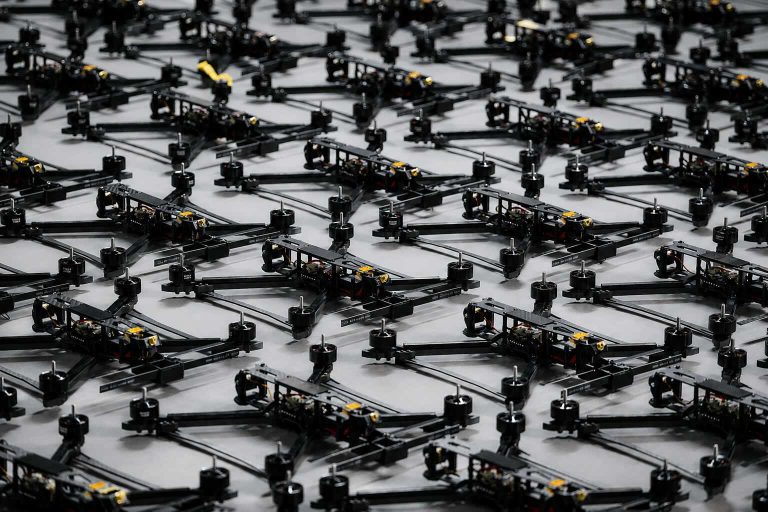
Ukraine has demonstrated both the value and the limits of dispersed production. Small workshops can adapt drones, electronic-warfare equipment and components faster than a traditional arsenal. Large plants, however, remain necessary for explosives, missiles and complex repair.
Taiwan’s industrial strategy will have to combine the two. It needs protected state capacity for sensitive processes, but also a network of commercial suppliers capable of substituting components and shifting output quickly.
That approach carries supply-chain risk. Imported motors, chemicals, semiconductors or machine parts may become unavailable once shipping is interrupted. Stockpiles must therefore cover industrial inputs as well as finished weapons.
Defence Matters has already examined how delays to Taiwan’s defence budget risk widening capability gaps. Industrial continuity is the other side of that problem. Buying more equipment strengthens the opening order of battle; sustaining production determines whether the force can keep operating.
The planned slowing of mobile internet is more than a technical inconvenience. Civilian networks would carry mobilisation notices, transport instructions, medical information and contact between government and the public. They would also be targets for cyber intrusion and disinformation.
A credible exercise should force units and factories to operate with delayed data, intermittent connectivity and uncertain information. Paper procedures, satellite links, radio networks and local decision-making may all be needed when central systems are unavailable.
The same applies at sea. Coastguard vessels could supplement naval forces in surveillance, escort and port-security roles, but refitting them during an emergency requires equipment, crews and command arrangements already to have been prepared. Keeping sea lanes open would be essential for reinforcement and resupply, yet commercial shipping may be reluctant to approach an active war zone.
Han Kuang cannot reproduce the destructive pressure of a large Chinese missile and cyber campaign. Announced movements may also be easier than a surprise dispersal. The value of the drill will lie in the friction it exposes: equipment that cannot be moved, databases that are inaccessible, suppliers without sufficient stock and agencies whose plans do not connect.
Taipei should judge success by production restored, not by the number of organisations participating. It should measure how quickly an alternative site can make an acceptable item, how long it can operate without new imports and whether military users can place and amend orders through degraded communications.
China will watch the exercise closely. A resilient production network complicates Beijing’s planning because destroying a few known facilities would not end Taiwan’s ability to generate military supply. It also supports deterrence by denying an attacker confidence in a short campaign.
The exercise nevertheless carries an uncomfortable message for Taiwan. The island is preparing for a conflict in which ordinary factories, telecommunications providers, ports and coastguard ships would become part of the military system. The distinction between the front line and the industrial rear would disappear quickly.
Han Kuang’s most useful moments may therefore be the least theatrical. A relocated machine that cannot be calibrated or a converted factory waiting for a missing component tells Taiwan more about its readiness than a perfectly staged weapons display. Survival will depend on finding those failures before an adversary does.