Rather than simply being a recipient of military assistance, Ukraine is emerging as an industrial partner whose technological innovation, engineering talent and operational experience are becoming integral to Europe’s evolving defence architecture.
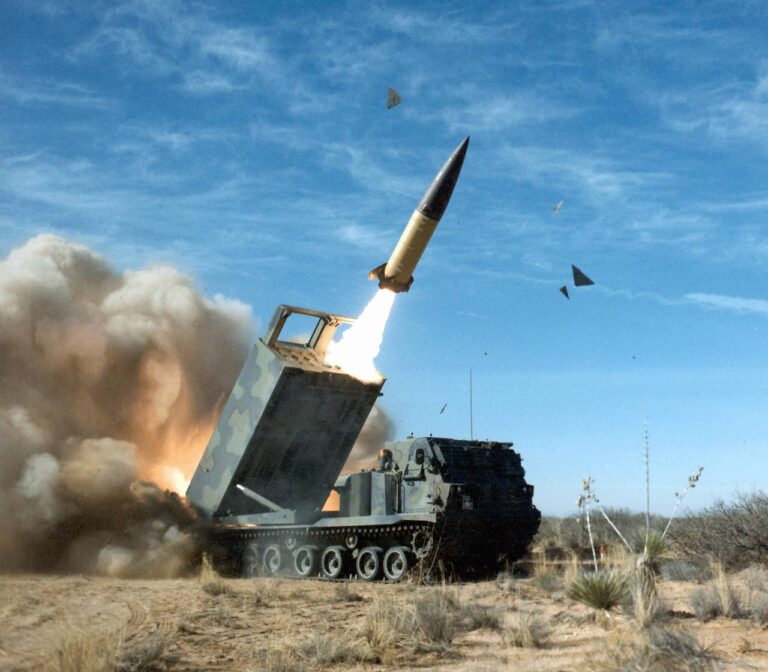
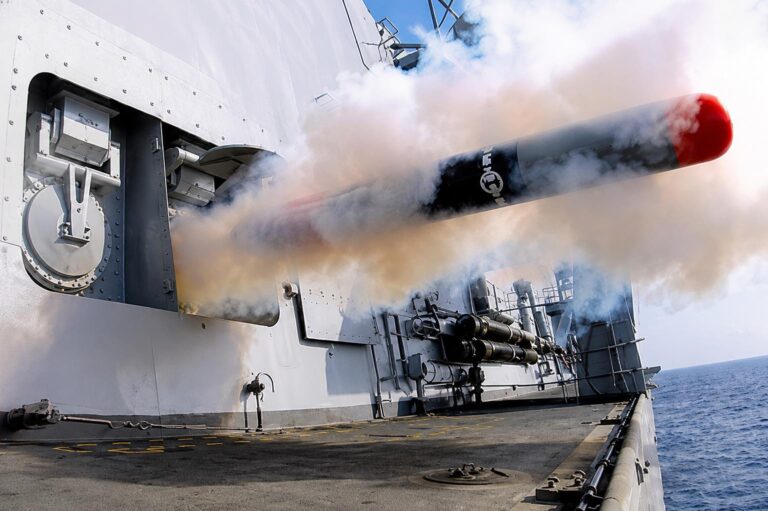
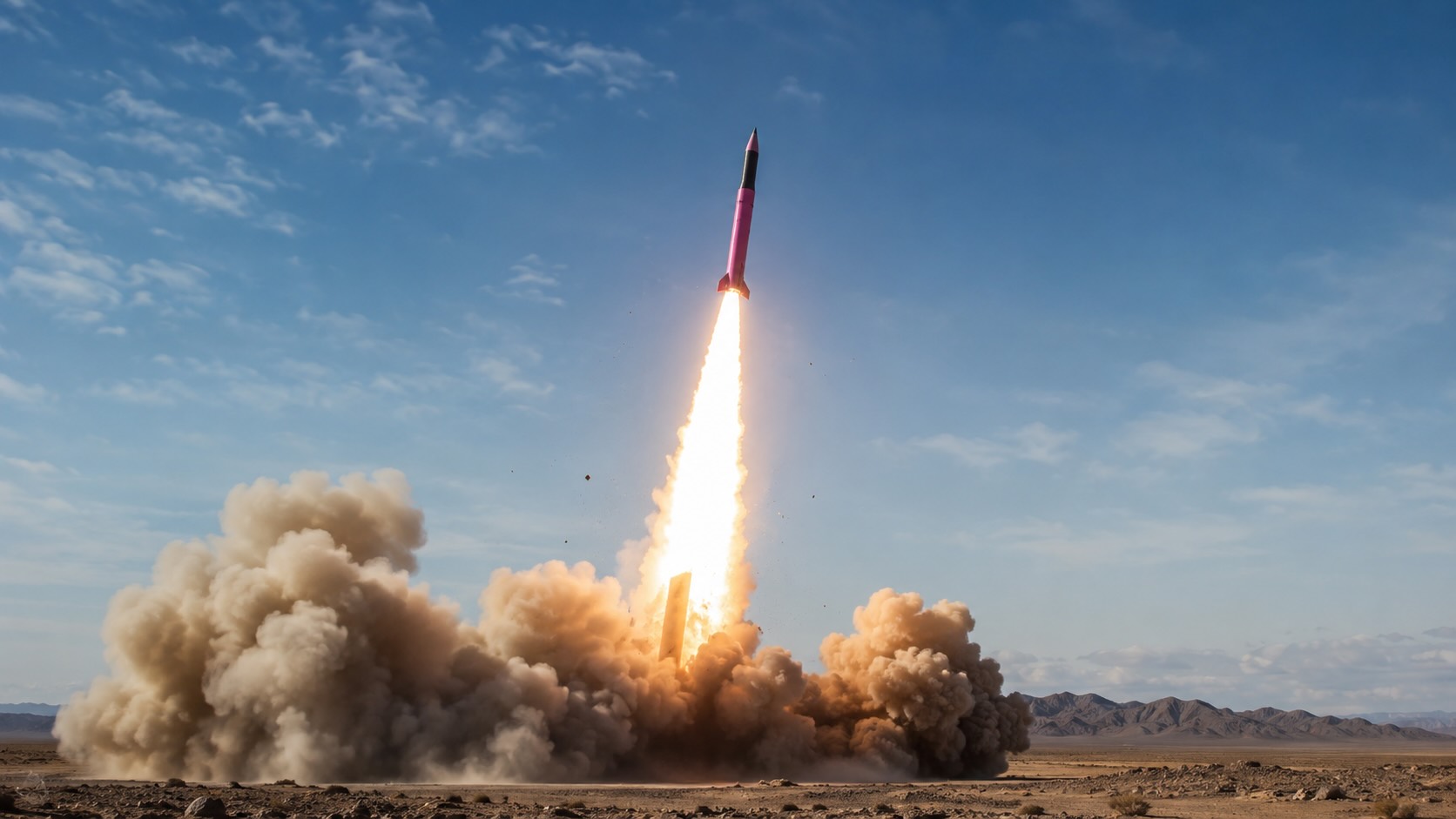
That transition is illustrated by the latest developments surrounding Ukrainian defence company Fire Point, which has begun integrating European technology into a new missile defence system through partnerships with companies across the continent. Norway’s Kongsberg is contributing command-and-control expertise, while Germany’s Diehl Defence is engaged in discussions over missile integration as Fire Point pursues its ambition of fielding an operational ballistic missile interceptor by 2027.
The significance extends well beyond a single programme.
It represents a fundamental shift in how Europe increasingly views Ukraine—not merely as a frontline state requiring support, but as an indispensable contributor to the continent’s future security.
Few countries have accumulated more practical experience in modern warfare than Ukraine over the past four years. Ukrainian engineers have refined weapons at extraordinary speed, adapting designs in weeks rather than years using continuous battlefield feedback. This compressed innovation cycle has attracted growing interest from European defence manufacturers seeking faster development pathways than those traditionally associated with large procurement programmes.
The result is a new model of industrial cooperation built around shared expertise rather than one-way technology transfers.
Fire Point’s proposed interceptor illustrates this approach. Rather than developing every component domestically, the company is combining Ukrainian missile design and operational knowledge with proven European technologies, creating an integrated system intended to remain affordable while meeting increasingly demanding operational requirements. According to company executives, the long-term objective is to produce ballistic interceptors costing less than €1 million each—an important consideration as Europe seeks to build sustainable stockpiles rather than relying exclusively on expensive high-end systems.
This collaborative philosophy reflects broader changes underway throughout Europe’s defence industrial base.
The war has exposed structural weaknesses in Western production capacity, from ammunition shortages to lengthy procurement cycles. Governments have responded by encouraging greater cooperation across national borders, recognising that Europe’s fragmented defence sector must become more integrated if it is to deter future threats effectively.
Ukraine offers something few established manufacturers possess: continuous operational validation.
Every new system developed inside the country is tested under combat conditions, providing engineers with data that peacetime exercises simply cannot replicate. Lessons gathered from missile attacks, drone swarms, electronic warfare and integrated air defence operations feed directly into the next generation of products.
For European companies, that feedback loop represents a valuable competitive advantage.
Equally important is the growing compatibility between Ukrainian and NATO defence ecosystems.
Joint development programmes require common technical standards, interoperable software architectures and compatible logistics systems. As these partnerships deepen, Ukraine’s defence industry becomes progressively aligned with Western industrial practices, making future collaboration easier while reinforcing the country’s long-term integration with European security structures.
This industrial convergence also strengthens Europe’s strategic autonomy.
For decades, European governments have debated reducing dependence on external suppliers for critical defence capabilities. Building resilient production networks that extend across allied countries—including Ukraine—offers one practical route towards achieving that objective.
Recent European investment reflects this changing perspective. The European Union has continued expanding financial support for Ukraine’s defence manufacturing while encouraging joint production and technology partnerships that increase industrial capacity on both sides.
There are broader economic implications as well.
Advanced defence manufacturing stimulates research, high-value engineering employment and technological innovation that frequently generates civilian applications. Ukraine’s rapidly expanding defence technology sector is already fostering expertise in software, electronics, artificial intelligence, robotics and advanced manufacturing—all areas where closer integration with European industry promises mutual benefits.
For investors, suppliers and policymakers, Ukraine is increasingly becoming part of Europe’s long-term industrial landscape rather than a temporary wartime exception.
Challenges remain substantial. Production facilities continue to operate under the constant threat of Russian missile attacks. Supply chains require protection, financing must remain predictable, and political commitment across Europe will need to endure beyond immediate battlefield developments.
Yet these obstacles have not slowed industrial cooperation. If anything, they have accelerated efforts to distribute production, diversify manufacturing locations and deepen collaboration among allied companies.
That resilience may ultimately prove one of Ukraine’s greatest strategic contributions.
Europe is no longer simply helping Ukraine defend itself. Increasingly, Ukraine is helping Europe rethink how modern defence industries should innovate, manufacture and cooperate.
The Fire Point initiative is therefore more than another missile programme. It signals the emergence of a genuinely integrated European defence ecosystem in which Ukrainian ingenuity and Western industrial strength reinforce one another.
As Europe confronts a more dangerous strategic environment, that partnership may become one of the defining characteristics of the continent’s security for decades to come.
Fire Point: How Ukrainian Innovation is Reinventing Air Defence