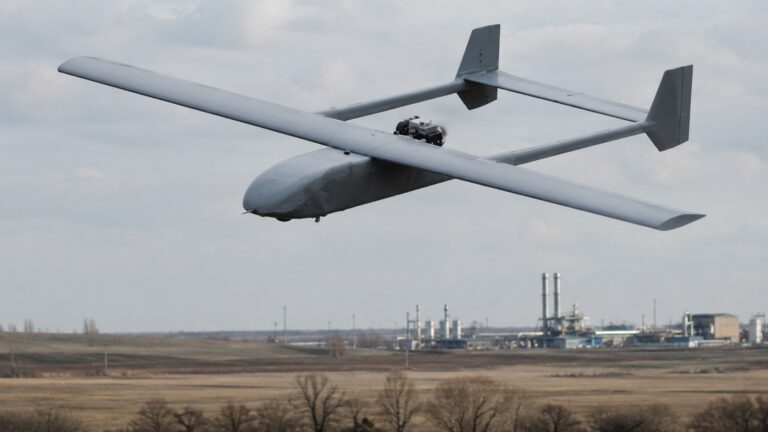
Ukraine’s Unmanned Systems Forces (USF) said on 8 August that drones had struck another 12 vessels between 1 and 8 August as part of an operation targeting maritime traffic linked to Russia.
According to USF commander Robert “Madyar” Brovdi, the latest attacks involved operators from the 414th Separate Unmanned Systems Brigade “Madyar’s Birds”, the 20th K-2 Brigade and the 413th Raid Regiment. The Ukrainian military described the vessels as belonging to what remains of Russia’s “shadow fleet”.
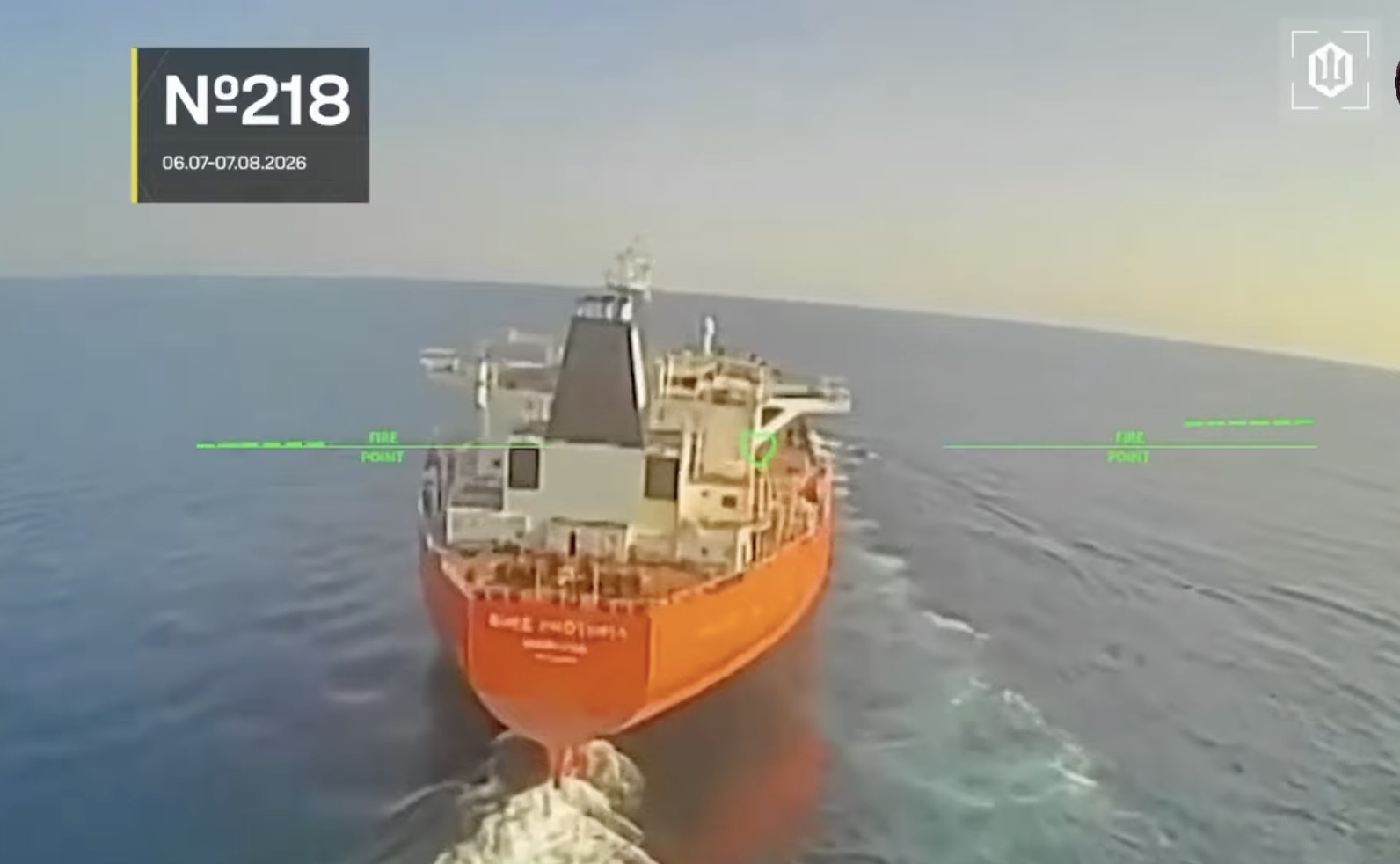
Brovdi said that since Operation “MoLoChKa” began on 6 July, Ukrainian drones had recorded strikes against 218 vessels or other floating craft, including 134 in the Sea of Azov and 84 in the Black Sea. Brovdi’s official Telegram channel carries the commander’s operational updates.
The figure represents targets reported as successfully struck rather than 218 independently confirmed vessels destroyed or sunk. Ukrainian accounts have included tankers, dry cargo ships, tugboats and specialist vessels, and some targets may have sustained varying degrees of damage.
That distinction is important because the original operational claims describe a sustained campaign against shipping rather than the physical destruction of an entire fleet. The source material similarly records the 218 figure while describing impacts ranging from fires and damage to the disabling of vessels.
The geographical distribution of the attacks is also changing. Initial strikes were concentrated heavily in the Sea of Azov, but Ukrainian forces are increasingly operating against vessels in the Black Sea.
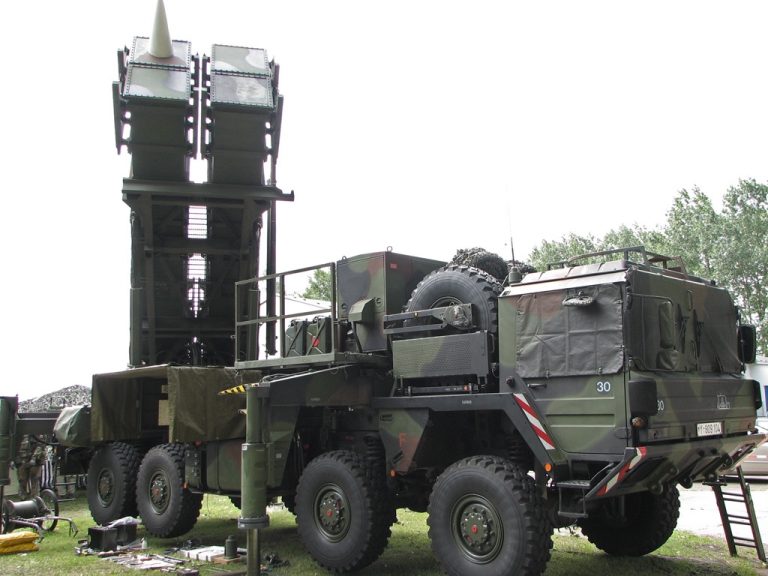
On 8 August, Brovdi said a Ukrainian drone struck a tanker near Gelendzhik on Russia’s Black Sea coast despite an attempt by a Pantsir-S1 air-defence system to intercept it. He said three guided missiles were launched without stopping the drone before it reached the vessel.
The episode, if accurately represented by the footage released by Ukraine, illustrates a separate problem for Russia: defending commercial and logistics vessels close to its own coastline can require expensive air-defence assets without guaranteeing interception of comparatively inexpensive unmanned aircraft.
The campaign has already affected Russian maritime operations. On 10 July, Russia temporarily suspended shipping through the Don-Azov Channel after Ukrainian attacks on vessels in the Sea of Azov. Russian border guards also stopped accepting applications for passage through the Kerch Strait, according to three grain-industry sources cited by Reuters in its report on the disruption.
The economic relevance extends beyond oil. Industry estimates cited by Reuters indicated that as much as a quarter of Russian wheat exports normally passes through the Sea of Azov.
Kyiv’s use of the term “shadow fleet” should also be distinguished from formal Western sanctions designations.
The European Union uses the term primarily for vessels involved in circumventing restrictions on Russian oil exports, although EU measures also cover ships transporting military equipment or stolen Ukrainian grain. By December 2025, the Council of the European Union had designated almost 600 vessels.
Ukraine’s operational category appears broader. Recent USF reports have included dry cargo vessels alongside tankers, meaning the Ukrainian designation should not automatically be read as confirmation that every vessel struck appears on an EU, British or US sanctions list.
The maritime campaign is taking place alongside a broader Ukrainian effort against infrastructure supporting Russian forces in occupied territory.
Brovdi reported that during operations on 6 and 7 August, USF units struck 102 targets. These included six vessels — two tankers and four dry cargo ships — as well as eight Russian troop deployment sites, two fuel and ammunition facilities, two radar systems, a Buk surface-to-air missile system, locomotives, fuel tankers, communications towers and three relay stations used for controlling Shahed/Geran attack drones.
Ukraine has also continued what Brovdi calls the “Crimean Switch Off” operation against electricity infrastructure serving Russian-occupied areas. He said 10 electrical facilities were struck during the same 48-hour period, bringing the claimed total since 1 July to 211 energy targets.
Those included 330kV and 110kV substations around occupied Mariupol as well as facilities in Russian-held parts of Zaporizhzhia and Luhansk regions. The original account describes repeated strikes on substations and other infrastructure intended to disrupt electricity and logistics networks supporting Russian forces.
Taken together, the operations indicate an increasingly integrated Ukrainian deep-strike campaign. Rather than concentrating exclusively on individual military systems, drones are being used against the network connecting Russian forces to fuel, electricity, communications, transport and maritime supply routes.
The precise level of damage to many individual targets remains difficult to verify independently. The operational pattern, however, is increasingly visible: Ukraine is attempting to impose continuing costs on Russian logistics across occupied southern Ukraine, the Sea of Azov and the Black Sea rather than relying on isolated high-profile strikes.