The announcement, delivered by Bart De Wever, underscored the growing concern among European capitals about vulnerabilities exposed by the rapid proliferation of drones and other aerial platforms. While few nations have yet chosen to station dedicated surface-to-air systems at commercial ports, Belgium’s decision reflects Antwerp’s dual status as both an economic engine and a potentially high-value target.
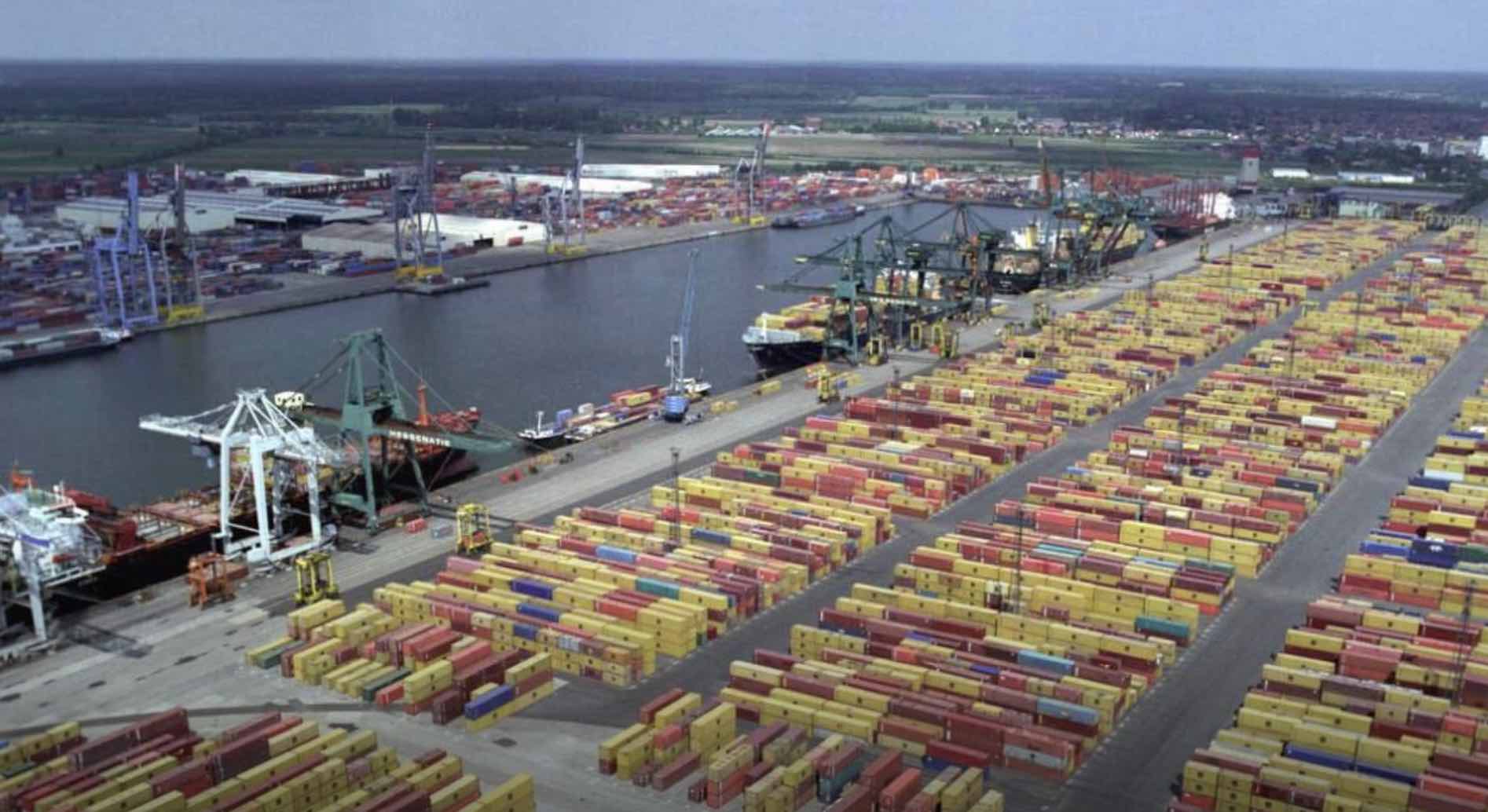
The Port of Antwerp ranks among Europe’s busiest maritime gateways, handling hundreds of millions of tonnes of goods annually and serving as a critical conduit for automotive parts, energy commodities, chemicals and containerised freight. Its operations underpin supply chains stretching across the continent.
However, the infrastructure that makes Antwerp central to European trade has also drawn scrutiny after a spate of unauthorised drone sightings last year. These incidents — which led to temporary closures of airspace over military installations and civilian airports — exposed weaknesses in existing protective measures. Freighters and industrial terminals, including sites near chemical plants and even nuclear facilities, were observed being overflown without clear identification or authorization.
Officials have declined to disclose precise threat data, but the cumulative effect of these incursions was sufficient to alter defence priorities in Brussels.
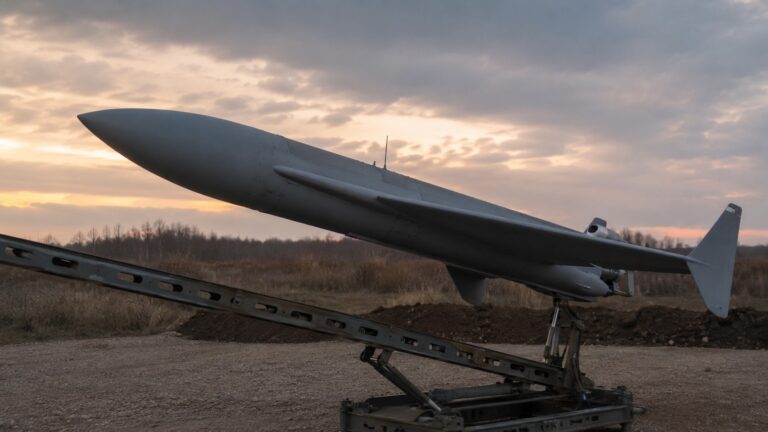
The defence strategy announced this month centres on the deployment of a NASAMS (National Advanced Surface-to-Air Missile System) battery — a modular, short-to-medium-range air defence network developed by Norwegian and American partners. NASAMS integrates radar, command and control centres with missile launchers to track and intercept an array of airborne threats, from unmanned aerial vehicles to fighter jets and cruise missiles.
According to government sources, the first NASAMS battery will be delivered in 2027, affording coverage for approximately two-thirds of the port’s sprawling footprint. A second, unspecified number of systems may follow, potentially extending protection to adjacent strategic sites, including energy installations and other critical infrastructure.
Alongside the air-defence battery, authorities have also commissioned a dedicated counter-drone system. Experts believe this addition is aimed at reducing the risk posed by small, low-signature unmanned aircraft that conventional air-defence radars may struggle to detect or engage reliably.
To many who view cargo terminals as purely commercial spaces, the idea of launching missiles over a trading hub might seem jarring. Yet this logic is increasingly shared among defence strategists in Europe and beyond. Ports are nodes where economic value, geopolitical influence and national security intersect; disrupting them can have outsized effects on a country’s economy and on allied logistics networks.
Antwerp’s importance was further highlighted during the Covid-19 pandemic and in recent responses to global supply chain strains. It has also served as a key transit point for military logistics in support of NATO allies. Such roles have reinforced calls from senior military planners for more robust perimeter defences.
Belgium’s move is not without precedent — other European nations have been contemplating enhanced territorial and infrastructure defences in light of hybrid threats and asymmetric tactics that fall short of open conflict but can still cause considerable disruption. The integration of anti-aircraft systems into commercial security planning signals a recognition that the boundaries between war-time and peacetime risks have blurred.
Yet the deployment also raises questions about cost, civil-military coordination and the impact on local communities and businesses. Large defence projects typically involve lengthy timelines, complex logistics and, in this case, integration with existing port operations — from airspace management to coordination with civilian aviation.
As Antwerp prepares for the installation of these new defence mechanisms, neighbouring ports and international trading partners will watch closely. Although the immediate focus is on securing a vital national asset, the broader implications for European security policy are already being debated in capitals from Amsterdam to Warsaw.
The Belgian government has framed the initiative as a proportionate and necessary response to evolving threats, one that balances commercial resilience with national and regional defence imperatives. Should it succeed, it may well serve as a blueprint for similarly strategic locations across the continent.