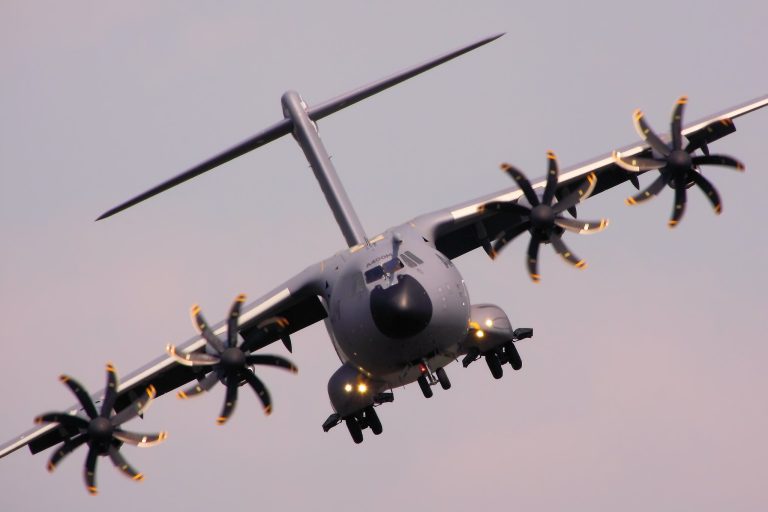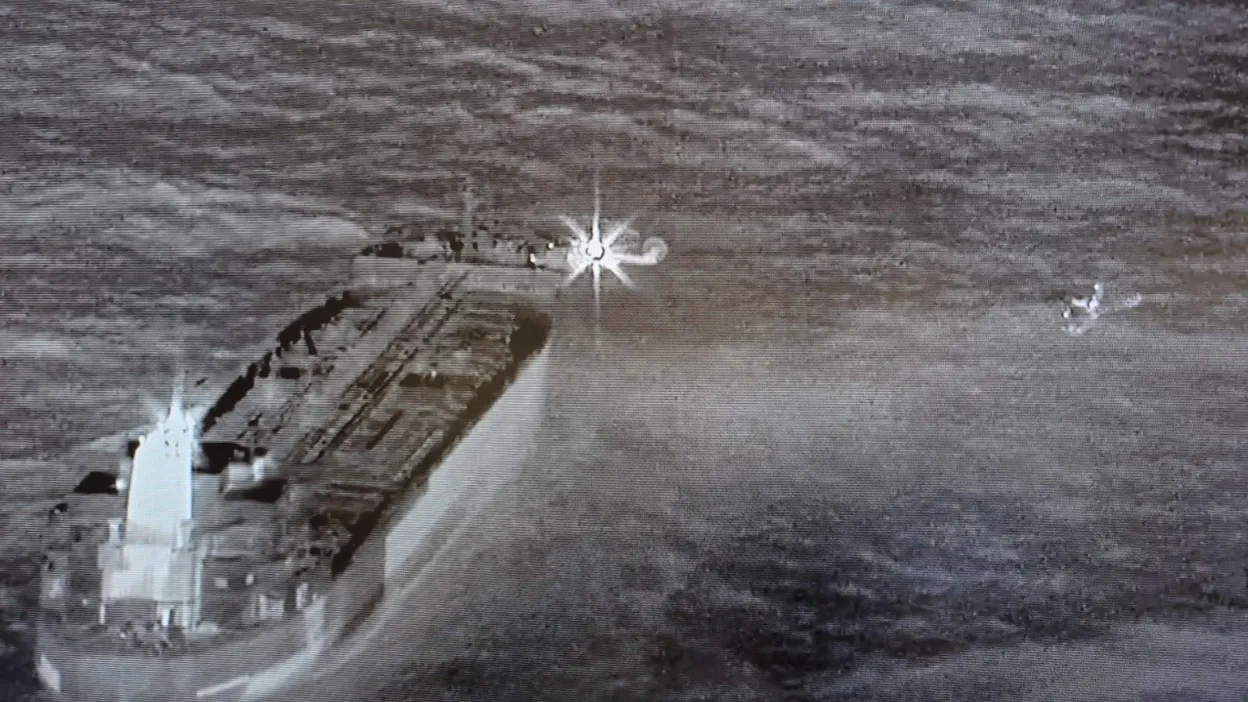
The vessel, Ethera, was intercepted overnight off the Belgian coast and escorted to Zeebrugge after being stopped near Ostend with support from French forces. Belgian Prime Minister Bart De Wever said the country would enforce international maritime law and respond firmly to violations in its territorial waters, while Defence Minister Theo Francken described the action, codenamed Blue Intruder, as a successful boarding operation carried out by Belgian forces with French assistance.
The tanker is already subject to European Union restrictions. EU sanctions records show that Ethera (IMO 9387279) was added on 24 October 2025 to the list of vessels whose activities are to be restricted because it transports Russian-origin crude oil, petroleum products or mineral products while engaging in what the EU describes as “irregular and high-risk shipping practices”. Under those measures, the vessel is barred from access to EU ports and from receiving a broad range of maritime-related services.
According to reports, the tanker was sailing under the flag of Guinea when it was intercepted. The ship, about 180 metres long and built in 2008, had come from the Channel before being stopped in the North Sea shortly before midnight. It was first immobilised at sea and later directed under escort to Zeebrugge, where it is now moored pending further legal and administrative steps. Belgian Justice and North Sea Minister Annelies Verlinden said the vessel had been identified through intelligence as sailing under a false flag and therefore as part of the shadow fleet.
The case has added significance because of the vessel’s separate sanctions exposure in the United States. On 30 July 2025, the US Treasury announced sweeping sanctions against what it called a vast shipping empire controlled by Mohammad Hossein Shamkhani, the son of senior Iranian political figure Ali Shamkhani. Treasury said this network transported oil and petroleum products from both Iran and Russia and generated tens of billions of dollars in profits. US sanctions documents identify Ethera as property in which Mohammad Hossein Shamkhani has an interest.
That dual connection — to Russian oil sanctions evasion and to an Iranian-linked shipping network — explains why the interception is likely to draw attention beyond Belgium. The shadow fleet has become one of the principal tools used to keep sanctioned energy exports moving. These vessels typically operate through opaque ownership structures, frequent changes of name or flag, gaps or manipulation in tracking data, and ship-to-ship transfers designed to obscure the origin of cargoes. EU institutions said when adopting their nineteenth sanctions package in October 2025 that the number of listed shadow fleet vessels had risen to 557, reflecting the scale of the problem. Reuters later reported that European officials were considering further legal mechanisms to inspect suspect vessels more systematically.
The legal basis for such action remains sensitive. Under the UN Convention on the Law of the Sea, states may intervene in cases involving false flag operations, lack of nationality and certain safety or environmental risks, but the interpretation of those rules can be contested. That has made enforcement uneven across Europe. Belgium had until now not carried out a high-profile interception of a shadow fleet tanker, even as concern has grown over the security, environmental and commercial risks these ships present in heavily trafficked waters near North Sea ports and energy infrastructure.
France has already moved in that direction. In late September 2025 French military personnel boarded the tanker Boracay, suspected of operating for Russia’s shadow fleet, after questions over its nationality and compliance with orders. In January 2026 the French navy intercepted another tanker, Grinch, in the Mediterranean on suspicion that it too belonged to the shadow fleet. French authorities later allowed that vessel to leave after the owning company paid a penalty worth several million euros.
French Navy detains sanctioned tanker from Russia in Mediterranean
Belgium’s move therefore marks more than a single maritime enforcement action. It suggests that coastal EU states are becoming more willing to test the legal and operational limits of sanctions enforcement at sea. The immediate question is what happens to Ethera in Zeebrugge. The wider question is whether Blue Intruder becomes a precedent for more systematic action against vessels suspected of sustaining Russian oil revenues — and, in this case, linked through US sanctions to an Iranian commercial network as well.