British and Australian defence ministers met in London for the revived Australia–UK Defence Industry Dialogue, a forum intended to transform the AUKUS security pact from a strategic promise into an industrial reality. The talks, led by Britain’s minister for defence readiness and industry, Luke Pollard, and Australia’s defence industry minister, Pat Conroy, focused less on geopolitics in the abstract and more on the mechanics of building weapons, training engineers and securing materials.
Officials framed the meeting as part of a generational shift. AUKUS — the trilateral partnership among the United States, Britain and Australia — is designed to strengthen military deterrence, particularly in the Indo-Pacific, where China’s expanding naval presence has unsettled Western governments. But the statement released after the dialogue made clear that the alliance’s success may hinge as much on factory floors as on warships.
Ministers emphasised the need for closer industrial cooperation to ensure both countries could “develop, produce and sustain” advanced military capabilities in what they described as a more dangerous global security environment.
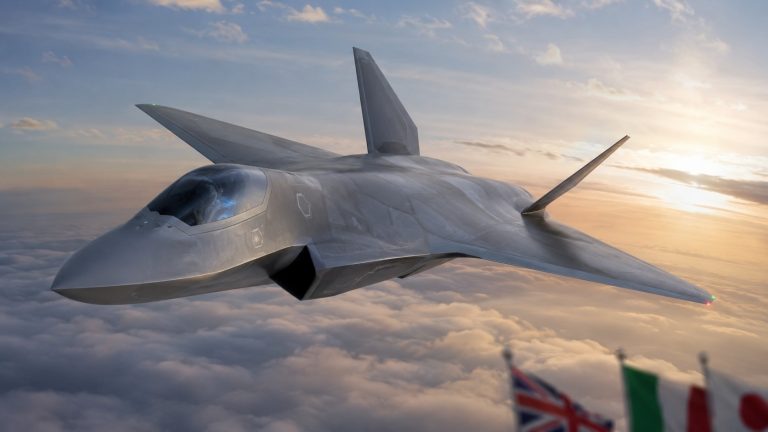
In practical terms, that means collaboration on technologies once closely guarded within national borders. Britain is exploring the use of Australian Active Electronically Scanned Array radar technology, while both countries will cooperate on directed-energy weapons and software-based operational planning systems. The United Kingdom has also been invited to observe testing of Australia’s MQ-28A unmanned aircraft in 2026, a move that signals increasing trust between the two defence industries.
The dialogue underscored a central lesson of modern military planning: alliances today depend not only on political alignment but on integrated manufacturing. Ministers pledged to improve “frictionless defence trade,” working to remove barriers such as security clearances, mobility restrictions and differing cybersecurity standards.
Those technical obstacles, officials say, can be as significant as strategic disagreements. Modern weapons programs require multinational supply chains: rare minerals mined in one country, processors built in another and final assembly in a third. The two governments agreed to cooperate on critical minerals and munitions supply, including so-called energetics — the specialized materials used in explosives and propellants.
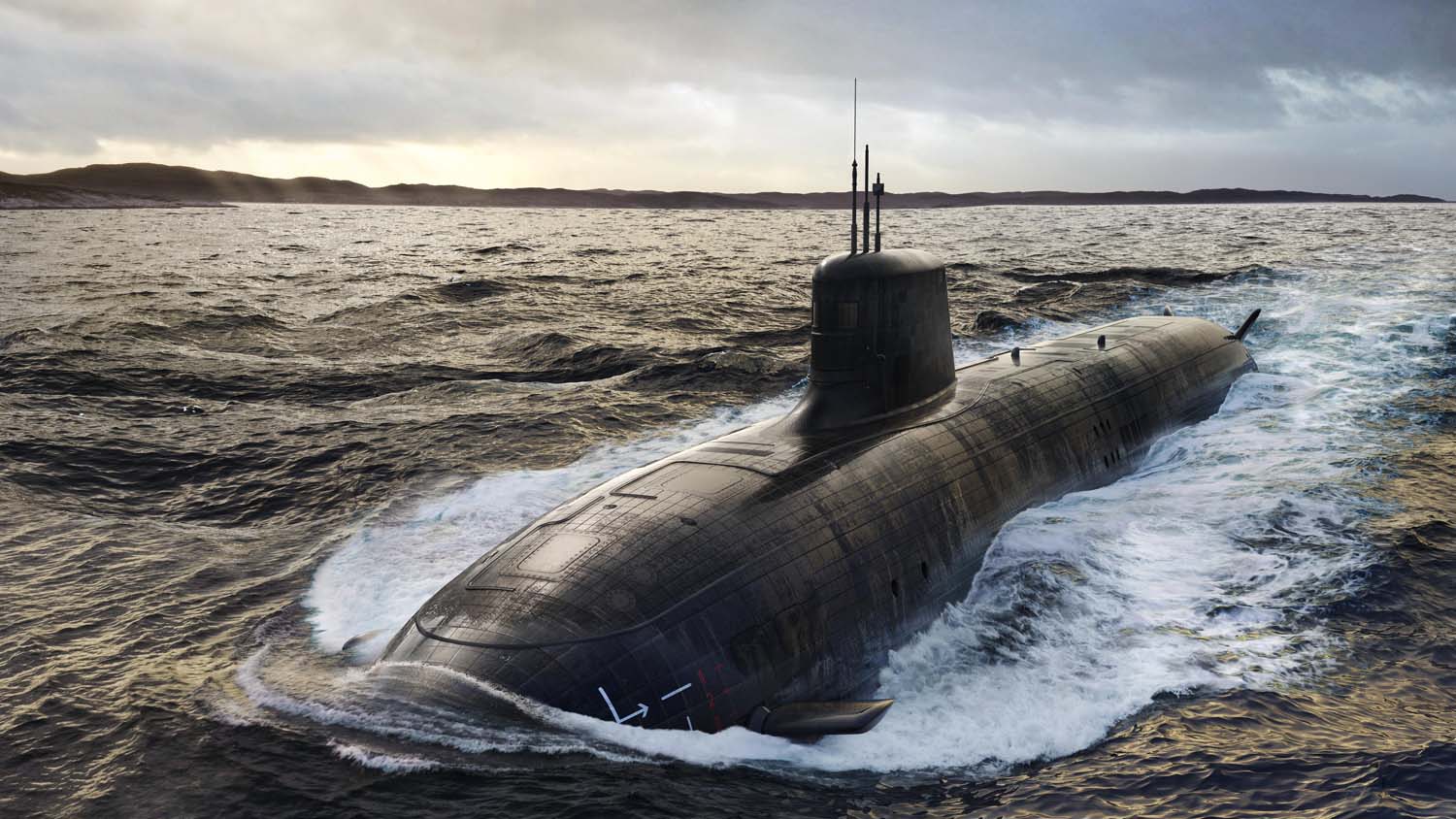
Under AUKUS, Australia will acquire conventionally armed, nuclear-powered submarines — a capability it has never before possessed. Britain is helping build the industrial and training base needed for that transition. Around 1,000 Australian personnel are already being trained by the Royal Navy, while Australian engineers have been embedded in Britain’s BAE Systems submarine shipyard in Barrow-in-Furness.
The arrival of the British submarine HMS Anson in Western Australia, officials said, marked a milestone in preparing for future rotations of British submarines in the region. The program also requires a revival of heavy industry: ministers noted the importance of steel production and reactor manufacturing to the SSN-AUKUS submarines planned for both countries.
Beyond Asia, the partnership also connects to the war in Europe. Britain and Australia reiterated their support for Ukraine and said they would explore testing British weapons at Australian ranges, particularly long-range systems that could help Kyiv defend itself against Russia.
The convergence of those theatres — Europe and the Indo-Pacific — illustrates how Western defence planning is evolving. Security officials increasingly see conflicts as linked rather than regional, with industrial capacity the common denominator. Ammunition shortages exposed by the war in Ukraine have convinced policymakers that alliances must produce weapons together, not merely coordinate their use.
For Britain, the effort is also economic. Revitalising domestic shipbuilding and advanced manufacturing has become part of its post-Brexit industrial strategy. For Australia, the program offers a pathway toward sovereign defence production and technical expertise previously concentrated in the United States and Britain.
The dialogue concluded with an agreement to expand trade missions, supply-chain partnerships and regulatory reforms to deepen collaboration.
The language of the statement remained diplomatic, but its implications were unmistakable. The alliance is no longer simply about deterrence or diplomacy. It is about who can build, maintain and sustain military power over decades.
In the 20th century, alliances were often defined by treaties. In the 21st, they may be defined by shared production lines.
Main Image: By BAE Systems – https://commons.wikimedia.org/w/index.php?curid=129617601
British Defence Exports Hit Record High, Boosting Jobs Across the UK