The step signals a seismic shift in transatlantic procurement allegiances, and offers the opportunity for Ottawa to bankroll a sweeping modernisation of its military — potentially including next-generation fighter jets and a new fleet of submarines.
SAFE was born out of Europe’s growing concern over security — a twin response to renewed Russian assertiveness and the unpredictability of American engagement. Through the scheme, EU states may borrow at favourable rates from a communally backed fund, allowing them to jointly procure advanced weapons, naval systems, drones and other strategic assets.
Canada’s decision to join did not come lightly. Under Prime Minister Mark Carney, Ottawa has sought to “fill key capability gaps, expand markets for Canadian suppliers and attract European defence investment into Canada,” according to government statements.
Official sources say that joining SAFE could unlock “billions of dollars in potential defence opportunities,” enabling Canadian firms to either contribute to — or directly benefit from — jointly financed acquisitions.
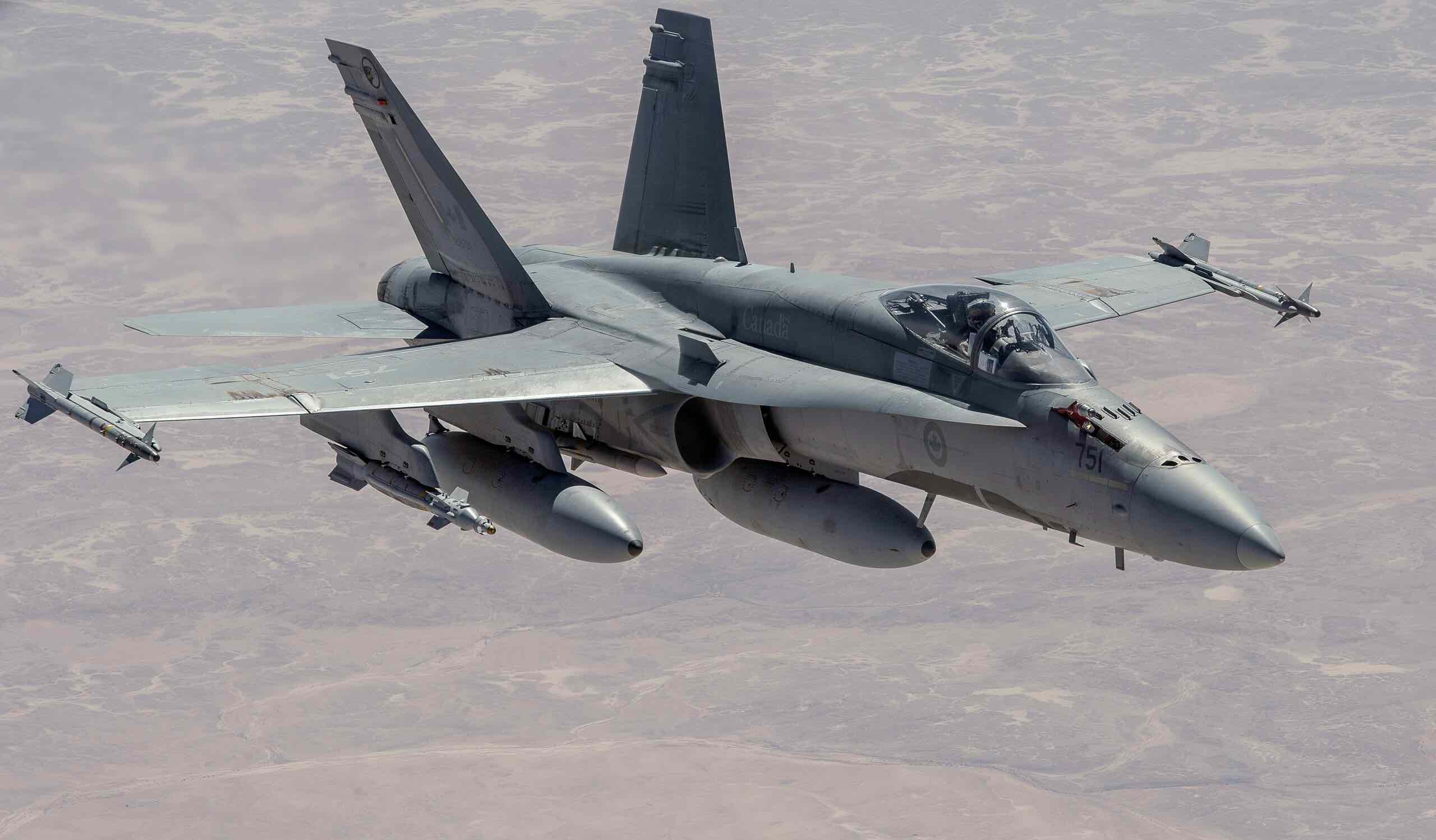
At the heart of the announcement lies the fact that Canada is currently reviewing its next-generation combat-air options. While the government has previously committed to acquiring 16 initial F-35 Lightning II stealth fighters, alternatives remain on the table — notably the Swedish Saab Gripen. The SAFE connection may well make European-built aircraft more economically attractive.
But aviation is just part of the picture. Canada also plans to replace its ageing submarine fleet. Under the current procurement programme, Ottawa aims to acquire up to 12 new, conventionally-powered vessels capable of under-ice and Arctic operations — a central requirement given the strategic importance of northern waters.
The involvement of SAFE opens the possibility that these submarines — or at least components thereof — could be financed under the EU scheme. Analysts suggest that SAFE could extend support beyond jets and subs: to drones, anti-submarine warfare systems, maritime surveillance, and secure communications platforms.
The arrangement, however, is fraught with caveats. Under SAFE’s current regulations, no more than 35 per cent of a project’s component costs may come from outside the EU, the European Economic Area (EEA) or Ukraine — a restriction that could complicate Canada’s access to the most favourable financing.
That said, the EU has allowed countries to buy their way into greater access by contributing a financial “entry fee” or making broader procurement commitments. The size and nature of Canada’s commitment remain undisclosed — and what precisely Canada will receive as part of the agreement (loans, co-procurement access, or supply-chain integration) has yet to be finalised.
To further complicate matters, any procurement under SAFE must involve partnerships — typically with at least two states or with a state plus an EFTA/EEA member. For Canada, this means collaborating with European nations such as France, Germany, Italy, Sweden or Spain, whose defence industries align with the scale and ambitions Ottawa has outlined for jets and submarines.
Canada’s accession to SAFE is more than a procurement strategy: it is a geopolitical statement. Since the election of the new Carney government, Ottawa has made clear its desire to reduce reliance on American defence supplies — a shift many infer is rooted in frustrations over unpredictable US policy under Donald Trump.
By aligning itself with Europe’s “ReArm Europe” push — which envisions up to €800 billion in defence investment across the bloc — Canada signals its willingness to re-imagine transatlantic security as a broader, multilateral enterprise, where cooperation with European allies plays a foundational role.
For Brussels, Canada’s inclusion lends symbolic weight: SAFE is no longer an inward-looking European project — it is a transatlantic instrument, capable of accommodating like-minded outside partners. That, in turn, encourages deeper supply-chain integration and lends legitimacy to a defence industrial base looking to scale rapidly.
As the first non-EU nation to step into SAFE, Canada has drawn a line in the sand — or rather, in the Arctic ice. Through the programme, Ottawa has secured access to a financial lifeline that could underwrite a sweeping modernisation of both its air force and submarine fleet.
Whether the outcome is a mixed fleet of Gripens and F-35s, or a dozen state-of-the-art subs capable of patrolling the Arctic, the message is clear: Canada is tilting toward Europe. And as Brussels seeks to build a durable transatlantic defence architecture, Ottawa may yet emerge as its most significant out-of-block partner.