

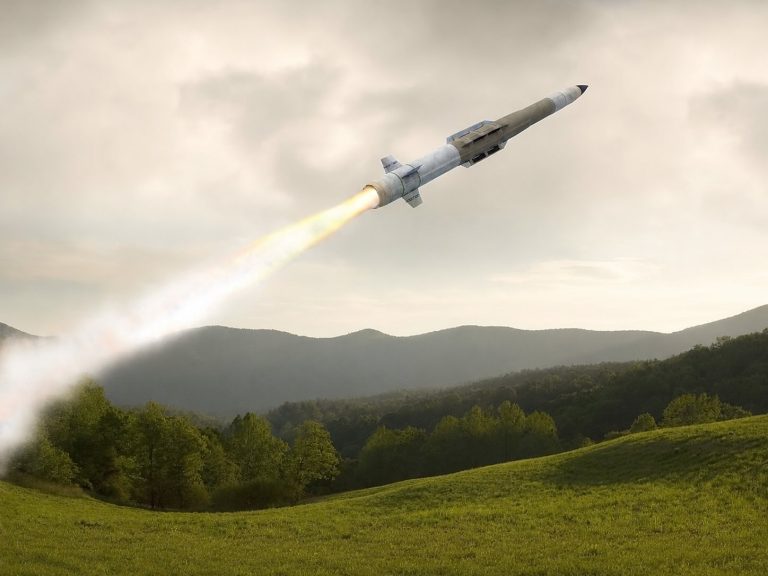
Donald Trump’s latest comments have reopened uncertainty over whether Ukraine will be allowed to manufacture Patriot missiles, exposing the gap between political signals and urgent air-defence needs. Donald Trump has said Washington has not agreed to let Ukraine manufacture Patriot…

Record revenue and orders show the force of European defence demand, while negative operating cash flow exposes the strain of turning budgets into deliveries.

A Kyiv court has detained Armada association head Vasyl Honcharuk after a Russian missile strike on a publicly promoted defence gathering killed 11 people, shifting scrutiny towards wartime event security.

A reported Iranian order for 300–400 Chinese QW-12 and FN-16 shoulder-launched missiles would not replace destroyed long-range systems, but it could rapidly distribute risk across hundreds of low-altitude firing positions.

Wellington’s plan to acquire long-range one-way drones, preferably from domestic suppliers, would give a small force an attritable strike option while testing whether sovereign production can support it at meaningful scale.
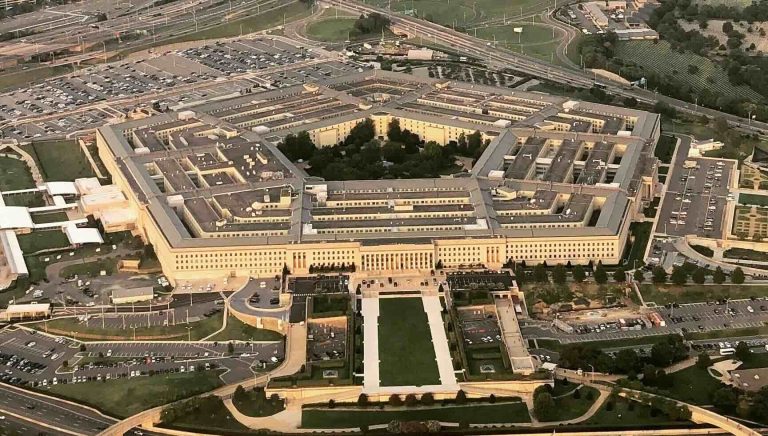
The Pentagon says $400 million authorised by Congress will be obligated this year but may not produce final deliveries until 2029, sharpening the divide between appropriations and battlefield supply.
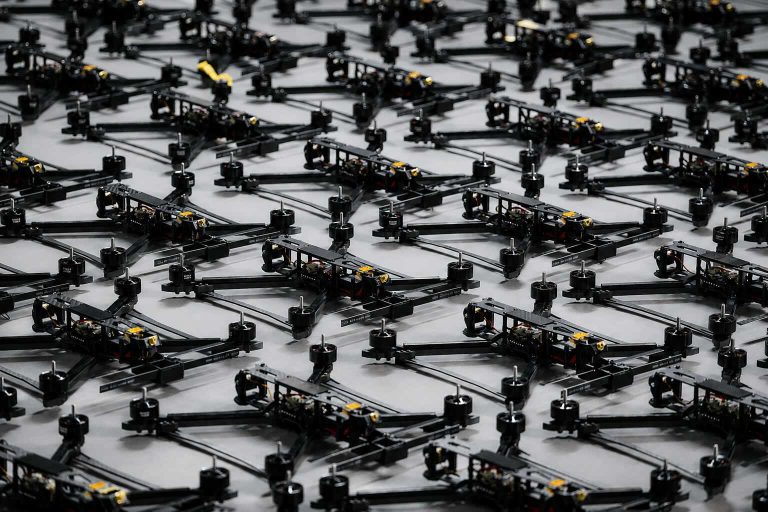
Ukraine expects to produce six to seven million FPV drones this year. The Pentagon is still trying to create a much smaller American market while excluding the Chinese components on which cheap systems depend.

A January deadline is meant to drive China, Russia, Iran and North Korea out of US defence supply chains, but the domestic capacity needed to replace them remains far from sufficient.
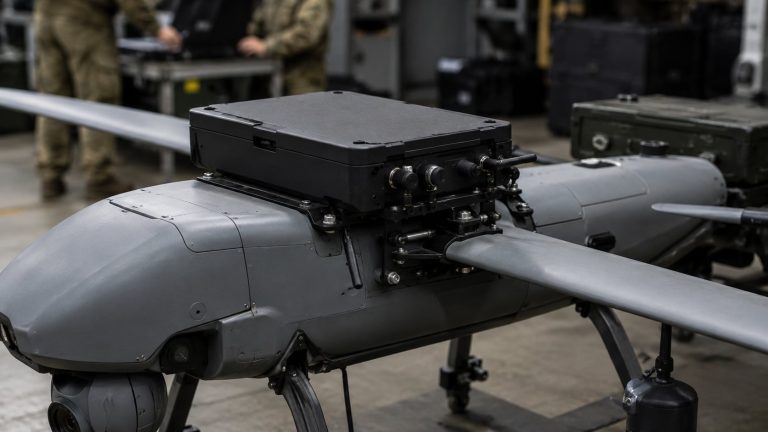
Britain’s decision to transfer the intellectual property behind Stone Cloak gives Ukraine more than another electronic-warfare device: it creates the basis for domestic manufacture, faster battlefield adaptation and a more reciprocal defence-industrial partnership.

Iran’s conditional halt has created room for diplomacy, but Washington’s diminishing target set and the opportunity cost of scarce interceptors help explain why an operational pause may now be more valuable than another night of strikes.
