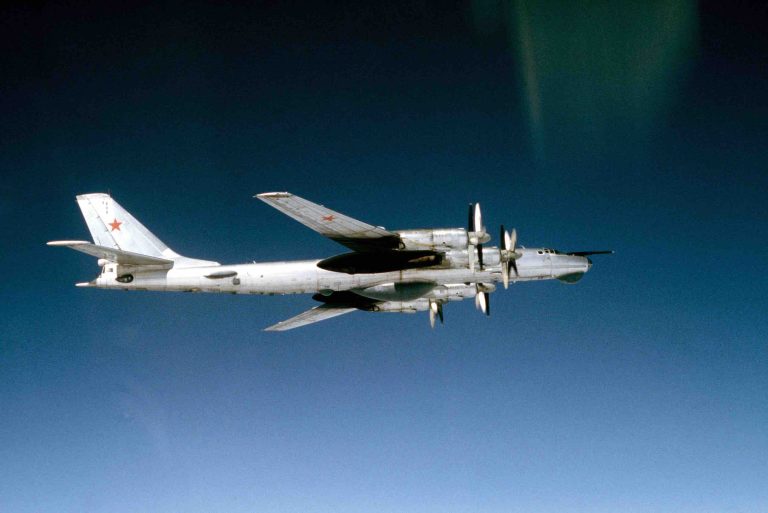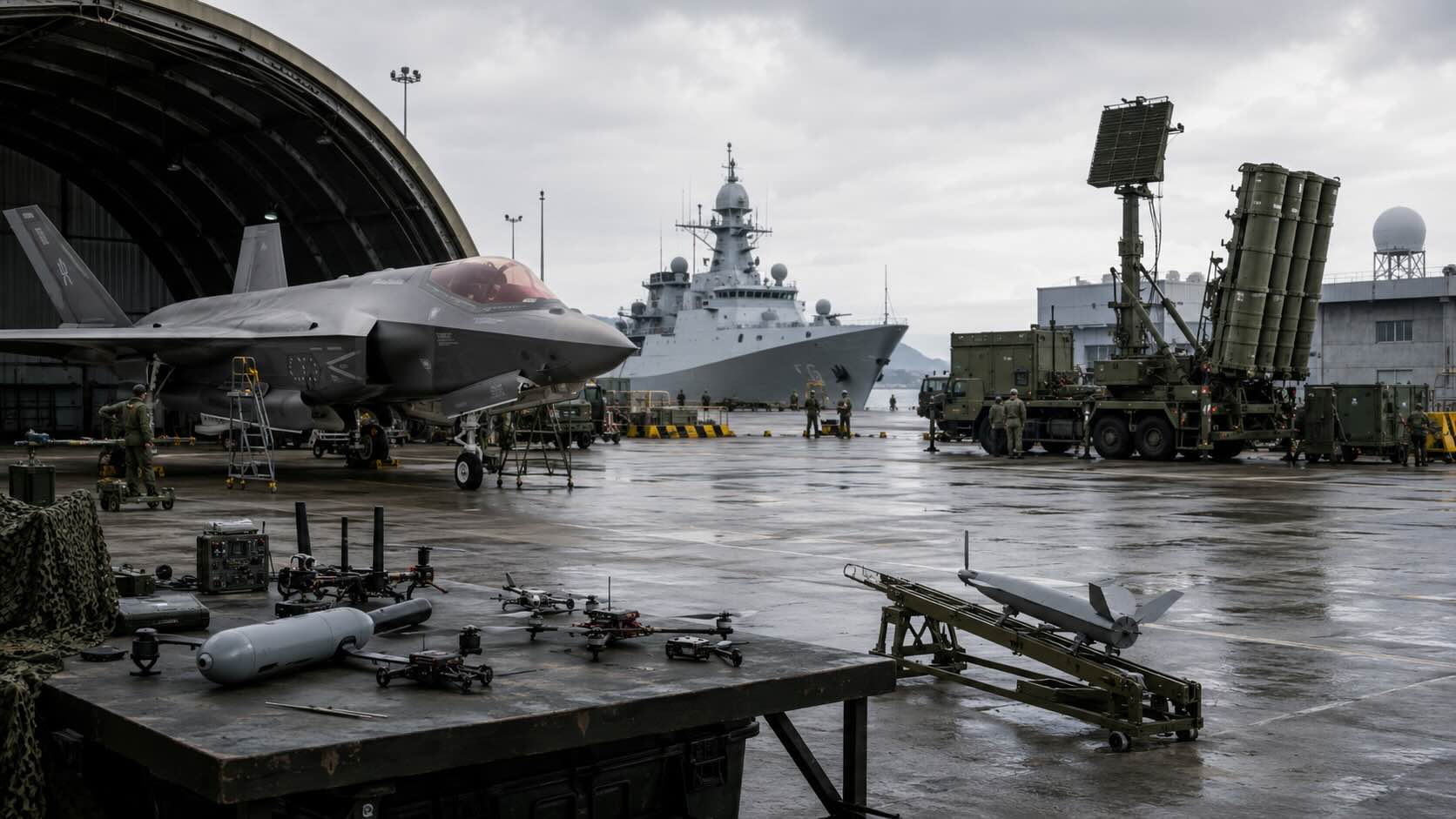
Traditional defence contractors are expected to retain the overwhelming majority of weapons-market revenue despite the rapid battlefield rise of drones and other affordable systems. A forecast by BCG and Vertical Research Partners, reported by the Financial Times, says complex traditional systems will still account for more than 80 per cent of global weapons revenue in 2033.
The finding may appear counterintuitive after nearly five years of war in Ukraine. First-person-view drones, loitering munitions and other relatively low-cost systems have reshaped tactics, damaged expensive platforms and forced armies to rethink force protection. But battlefield visibility is not the same as revenue share. The systems that dominate video footage are not necessarily the systems that dominate procurement budgets.
The explanation is structural. Aircraft, warships, submarines, air-defence systems, missiles, armoured vehicles, sensors and command networks are expensive to buy and expensive to maintain. They also generate decades of follow-on work through upgrades, spares, software, integration and training. A drone start-up may sell thousands of units. A prime contractor may sell fewer systems but capture far more revenue through a single aircraft, missile-defence battery or naval programme.
European drone procurement has been expanding quickly, including Ukraine-related drone deals involving Denmark, Estonia and the Netherlands and efforts to reduce dependence on Chinese components in drone production. Those developments are real and operationally important. They do not yet mean that start-ups are displacing the largest defence primes from the centre of the spending system.
The distinction between unit numbers and revenue is crucial. Affordable mass systems can be bought in large quantities and consumed quickly. That makes them militarily significant. But a government’s total procurement bill is still shaped by high-end capabilities: air superiority, integrated air defence, long-range strike, naval power, satellite communications and protected mobility. These categories require certification, integration with allied forces and long support chains. Established primes are built around exactly those requirements.
Ukraine has also shown that drones do not eliminate the need for traditional systems. They increase it in several areas. Armies need radars, electronic warfare, counter-drone missiles, hardened vehicles, protected logistics and command systems that can operate under constant aerial observation. Navies need better port protection and unmanned-surface-vessel defences. Air forces need standoff weapons and survivable aircraft. The drone boom therefore creates new demand around the primes as well as around the start-ups.
The likely outcome is not replacement but absorption. Large contractors may acquire successful drone firms, invest in their own low-cost autonomous systems or partner with smaller companies that can move faster. Start-ups bring speed, software culture and lower-cost manufacturing. Primes bring certification, security clearance, government relationships, balance sheets and the ability to deliver programmes at national scale. Governments often want both.
That does not mean incumbents can be complacent. The war in Ukraine has embarrassed procurement cultures built around slow cycles and exquisite systems. A weapon that is perfect but available too late may be less useful than a cheaper system delivered in volume. Defence ministries are now asking whether traditional acquisition rules can support rapid iteration, frequent software updates and expendable platforms. Start-ups have an advantage in that environment.
The pressure on primes will be strongest where affordable systems can be modular and rapidly upgraded. Small drones, electronic-warfare payloads, autonomy software and loitering munitions are areas where new entrants can demonstrate battlefield relevance quickly. If primes try to force these products into old programme structures, they may lose credibility with militaries that have learned from Ukraine’s rapid adaptation cycle.
Yet the revenue forecast shows why the defence-industrial base will remain uneven. Venture-backed companies can attract attention and capital, but public procurement money still moves through established channels. Large programmes require political approval, export controls, classified integration and long-term sustainment. Those barriers slow disruption. They also protect incumbents.
European governments face a policy choice. If they want a more diverse defence-tech base, they will need procurement routes that allow smaller firms to win meaningful contracts, not only pilot projects. That may require faster testing, framework agreements, direct purchasing and clearer pathways from battlefield trial to scaled order. Otherwise, start-ups will supply innovation while primes continue to capture most of the money.
The forecast should therefore be read as both reassurance and warning. Traditional primes are unlikely to lose their revenue base quickly. But the operational centre of gravity is shifting toward cheaper, networked, more expendable systems that armies can buy and adapt faster. Companies that combine prime-scale delivery with start-up speed will be best placed. Those that defend old margins while ignoring the drone lesson may keep revenue in the short term and lose relevance in the field.