The move reflects mounting concern in Washington that the United States may struggle to sustain the military demands of an increasingly unstable geopolitical environment.
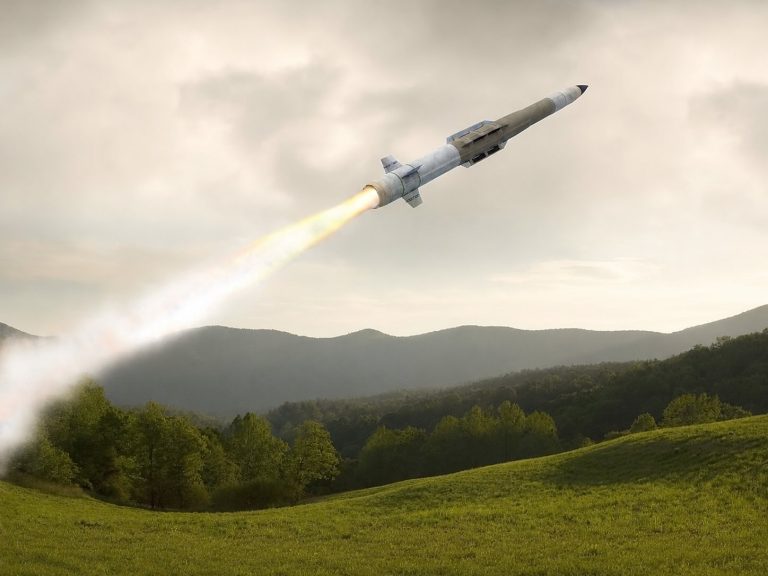
In a memorandum issued to Defence Secretary Pete Hegseth, President Donald Trump argued that weaknesses in the production of critical military components pose a direct threat to national security. The order identifies shortages and bottlenecks affecting essential technologies, including solid rocket motors, guidance systems and igniters—components that underpin a wide range of modern missile and defence platforms.
The decision grants the Pentagon greater authority to coordinate with private industry through voluntary agreements designed to strengthen manufacturing capacity and improve resilience across defence supply networks. Such arrangements would ordinarily face significant legal and competitive constraints but are permitted under the powers provided by the DPA, legislation originally enacted during the Korean War and repeatedly revived during periods of national emergency.
The announcement comes at a time when military planners have become increasingly concerned about the rate at which advanced weapons are being consumed in modern conflicts. Recent military operations, combined with continuing commitments to allies and the need to replenish strategic stockpiles, have exposed long-standing weaknesses in the US defence manufacturing ecosystem. Years of consolidation among suppliers and reliance on specialised producers have left certain sectors struggling to expand output rapidly when demand surges.
The administration’s intervention also reflects a broader shift in industrial policy. While the United States has traditionally relied on market forces to allocate resources, policymakers across party lines have increasingly embraced targeted government action in sectors considered vital to national security. Trump has already used the Defence Production Act this year in areas ranging from energy infrastructure to critical industrial supply chains, signalling a willingness to deploy executive powers more aggressively than many of his predecessors.
Industry is already responding. General Motors and Lockheed Martin announced plans to collaborate on initiatives aimed at strengthening defence production capabilities, highlighting how traditional manufacturing expertise may be redirected towards military applications. The partnership forms part of a wider effort to draw non-traditional suppliers into the defence sector and reduce pressure on established contractors.
Supporters argue that the initiative addresses a strategic vulnerability that has been years in the making. Critics, however, warn that expanding production capacity will require sustained investment, regulatory flexibility and long-term procurement commitments rather than short-term political directives.
Whether the latest intervention proves transformative remains uncertain. Yet the message from Washington is unmistakable: in an era of renewed great-power competition, industrial capacity is once again being viewed as a cornerstone of military strength. For the Trump administration, rebuilding America’s arsenal now appears as important as developing the next generation of weapons themselves.