Russia launched 731 missiles and drones against Ukraine overnight from 13 to 14 May, in a combined attack that placed Kyiv and the surrounding region at the centre of a renewed assault on Ukrainian cities and infrastructure.
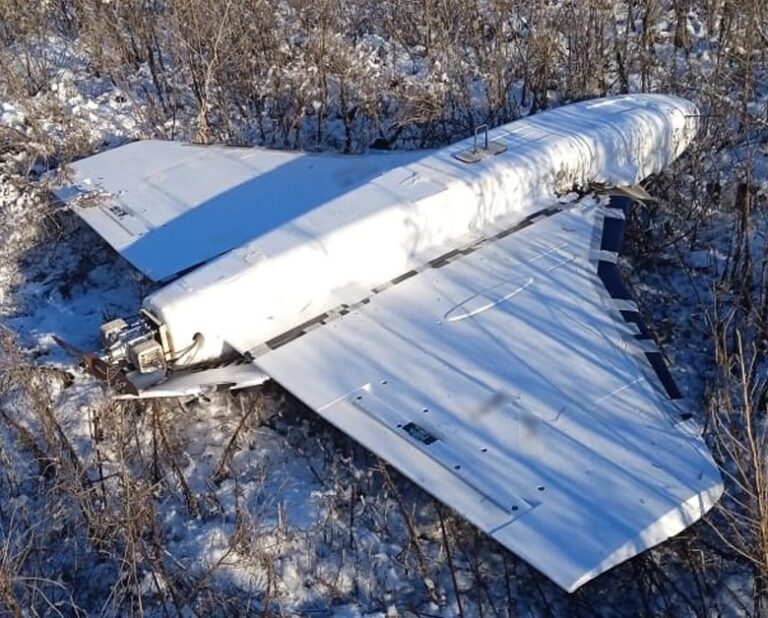
The Ukrainian Air Force said radio-technical troops tracked 56 missiles and 675 drones from 18:00 on 13 May. The weapons included three Kh-47 Kinzhal aeroballistic missiles, 18 Iskander-M or S-400 ballistic missiles, 35 Kh-101 cruise missiles, and hundreds of Shahed-type and other unmanned systems launched from several directions, including Russian territory and occupied Crimea.
By 08:00 on 14 May, Ukraine said its air defence units had shot down or electronically suppressed 693 targets, including 41 missiles and 652 drones. The Air Force recorded impacts by 15 missiles and 23 strike drones across 24 locations, with debris from intercepted drones falling at another 18 locations.
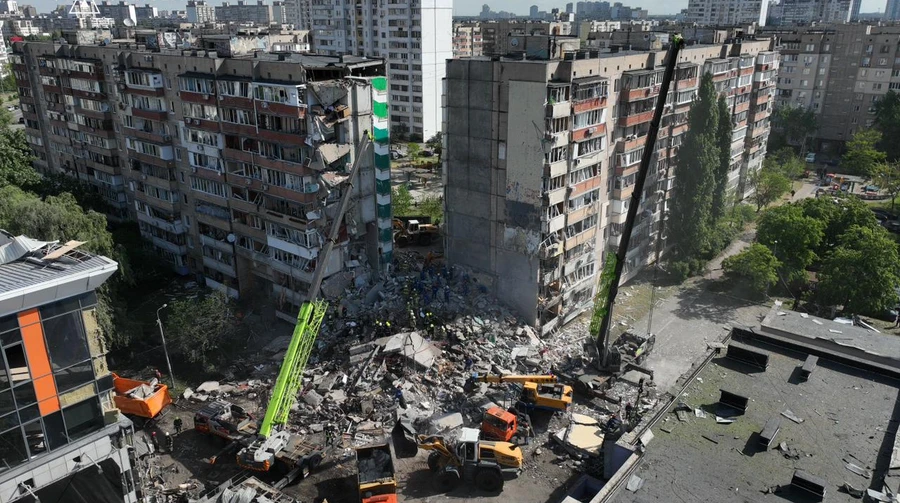
Kyiv was described by the Air Force as the main direction of the strike. City and regional authorities reported damage to residential areas and infrastructure, with rescue work continuing after parts of buildings were hit or damaged by falling debris. Reports from the capital said at least two people had been killed and dozens injured, while casualty figures remained subject to change as emergency crews continued work at impact sites.
The attack followed a large-scale daytime drone assault on 13 May, when Russia launched hundreds of unmanned systems against targets across Ukraine. That earlier strike affected multiple regions and was followed almost immediately by the overnight missile-and-drone barrage, suggesting an attempt to sustain pressure on Ukrainian air defences over an extended period.
The composition of the overnight attack is significant. Russia combined ballistic missiles, cruise missiles, high-speed aeroballistic weapons, Shahed-type drones, decoy systems and other unmanned platforms. Such mixed packages are intended to complicate detection, prioritisation and interception, particularly when launched in waves and from different directions.
Ukraine’s interception figures indicate that its layered air defence network continues to absorb large-scale attacks, but the confirmed impacts also show the limits of any defensive system when faced with hundreds of simultaneous or sequential targets. The reported use of ballistic missiles remains particularly difficult for Ukraine, as interception depends on scarce high-end systems and ammunition.
The attack is a further demonstration of the scale of air defence consumption in modern war. Ukraine is not only defending against missiles, but also against large numbers of cheaper drones and decoys designed to expose, exhaust or bypass its systems. This places continuing pressure on stocks of interceptors, radars, mobile fire groups, electronic warfare units and repair capacity.
The strike also comes shortly after a brief ceasefire period failed to produce a wider pause in Russian attacks. The renewed bombardment underlines the limited effect of diplomatic language when not matched by an enforceable mechanism on the ground. It also provides a direct operational case for continued European and allied support for Ukraine’s air defence.
Kyiv’s defence increasingly depends on a combination of Western-supplied systems, Soviet-era platforms, mobile interception teams and electronic warfare. The scale of the 14 May attack shows why Ukraine has sought additional Patriot, SAMP/T, NASAMS, IRIS-T and other systems, as well as interceptor missiles and counter-drone equipment.
The immediate military question is whether Russia is using such large barrages to test Ukrainian defences ahead of further strikes, to force Ukraine to spend scarce interceptors, or to compensate for limited progress on the battlefield by increasing pressure on cities and logistics infrastructure. The available evidence from 14 May supports only the conclusion that Russia retained the capacity and intent to mount a large combined aerial attack.
For Ukraine’s partners, the policy implication is clear. Air defence remains the central military requirement for protecting Ukrainian cities, sustaining the economy, defending energy and transport infrastructure, and limiting Russia’s ability to use long-range strikes as a coercive instrument.