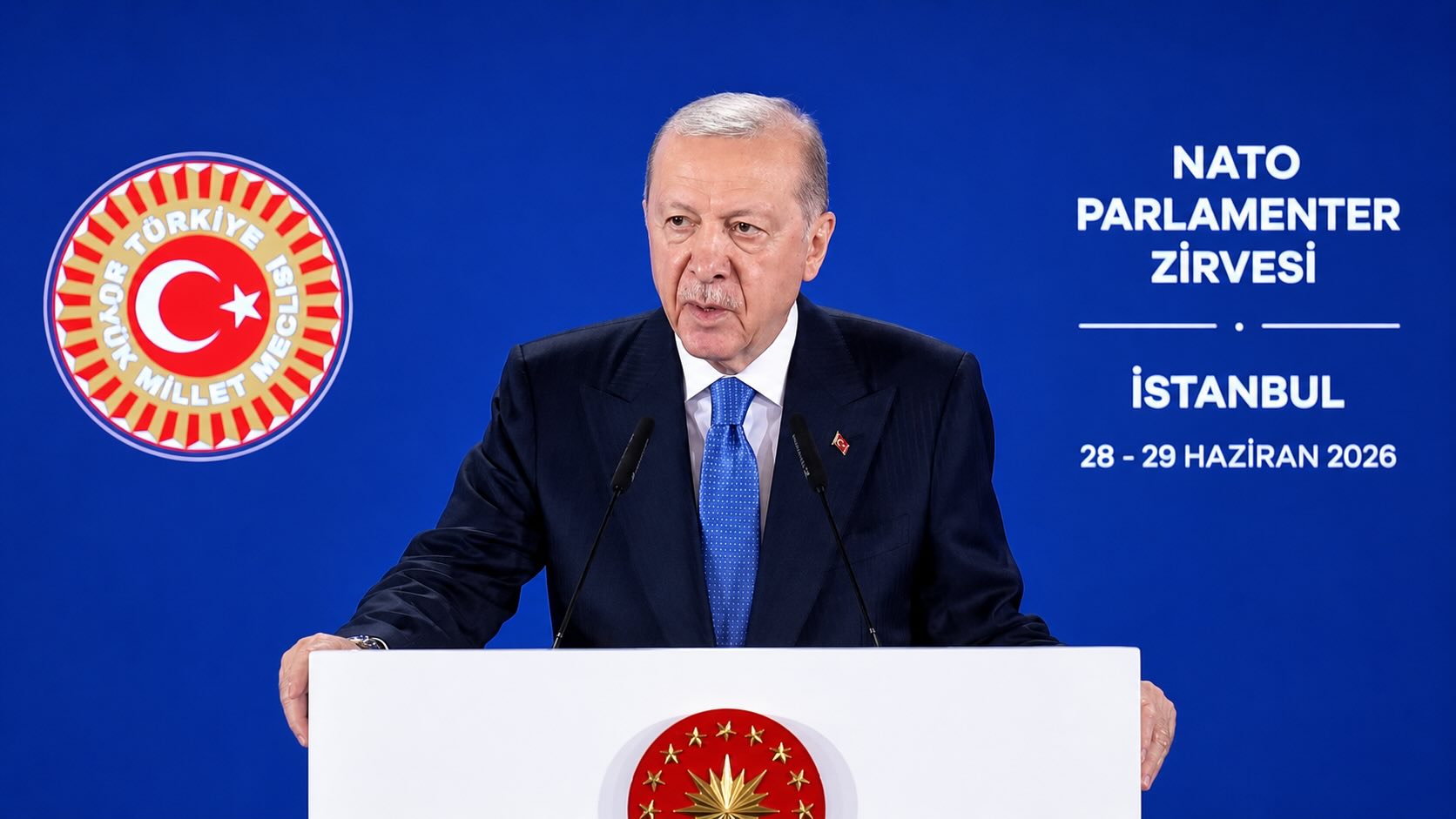
Turkish President Recep Tayyip Erdogan has called for restrictions on defence trade with Turkey to be lifted as NATO prepares to meet in Ankara, turning the summit host’s formal appeal for alliance unity into a concrete demand over procurement, technology and Turkey’s place in European security.
Erdogan said the 7-8 July summit should emphasise resilience and cohesion, while arguing that Ankara should be included in initiatives intended to strengthen European defence. His intervention places defence-industrial access directly on the pre-summit agenda.
Turkey’s case is built on military weight and geography. It has NATO’s second-largest armed forces by personnel, controls access between the Black Sea and Mediterranean, borders several conflict zones and possesses an expanding defence industry.
The political difficulty is that Turkey is indispensable to NATO operations while remaining outside the EU and in dispute with several allies over Cyprus, the eastern Mediterranean, democratic standards and past weapons purchases from Russia.
Summit hosts normally emphasise consensus. Erdogan is using that visibility to argue that alliance solidarity should include fewer restrictions on Turkish companies and technology.
The demand covers more than bilateral export licences. EU defence funding and procurement programmes often favour companies established inside the Union or in countries with particular security agreements. Turkey argues that such rules exclude useful NATO production capacity when Europe urgently needs drones, missiles, armoured vehicles, naval platforms and ammunition.
Defence Matters has previously examined how Ankara is pressing for inclusion in European defence projects. The approaching summit gives Erdogan greater leverage because allies want a coherent public result on spending, readiness and industrial output.
Defence trade is not ordinary commerce. An imported weapon creates a relationship involving software, maintenance, spare parts, upgrades and operational data that can last for decades.
Some allies have restricted transfers to Turkey over military operations, regional disputes or concerns about end use. Ankara’s acquisition of the Russian S-400 air-defence system caused a particularly serious break with Washington and resulted in Turkey’s removal from the F-35 programme.
Those concerns cannot be dissolved by describing every restriction as unfair. Governments must protect sensitive technology and ensure that exported systems support agreed security objectives.
At the same time, blanket or politically indefinite restrictions can weaken NATO interoperability and push Turkey towards alternative suppliers. The alliance needs a clearer distinction between targeted safeguards and measures that effectively treat a major ally as outside the trusted industrial perimeter.
Turkey’s defence industry has moved beyond the international success of the Bayraktar TB2 drone. Turkish firms now offer missiles, radars, electronic systems, armoured vehicles and warships, often with shorter delivery schedules than established Western suppliers.
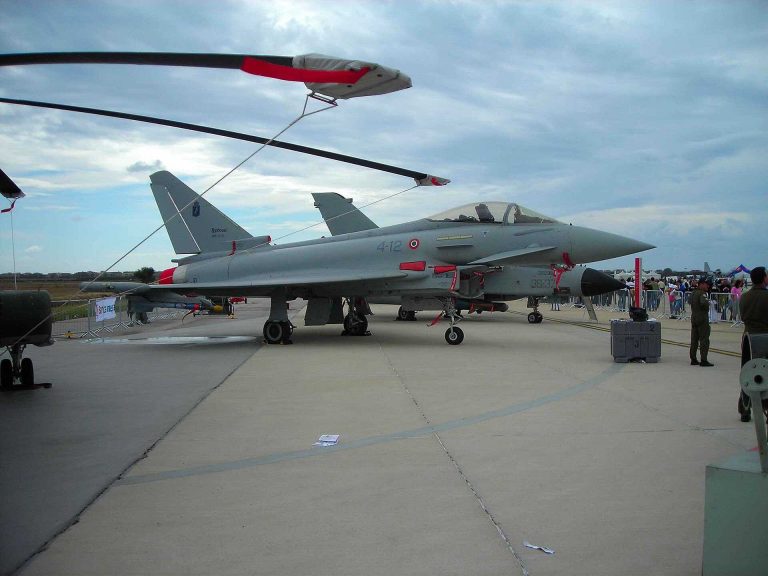
A reported Turkish warship sale to Romania showed Ankara entering the market of an EU and NATO state. Italy’s conditional approval of a Leonardo-Baykar drone venture similarly demonstrated that European industry can cooperate with Turkey while imposing security controls.
This gives Erdogan a practical argument. Europe cannot demand rapid expansion of defence production while excluding available allied capacity solely because it lies outside the EU.
The counterargument is that industrial dependence creates political leverage. European governments will ask whether Turkish export policy remains aligned with alliance interests during future disputes.
Turkey’s value to NATO extends across the Black Sea, Middle East and south-eastern flank. It supports Ukraine while maintaining channels with Russia, enforces the Montreux Convention through the Turkish straits and hosts important allied infrastructure.
It also pursues an independent regional policy that does not always match the preferences of other allies. That independence can provide diplomatic access; it can also complicate consensus.
The European Parliament’s briefing on the Ankara summit identifies Turkey’s military and geographic weight as central to the gathering. Erdogan wants that recognition translated into industrial access, not confined to ceremonial praise.
NATO itself cannot rewrite EU procurement law or compel a national government to approve an export. The summit can nevertheless create political direction.
Allies could agree principles for reducing unnecessary restrictions among trusted NATO suppliers while preserving end-use controls, technology protection and case-by-case national decisions. The EU and Turkey could develop clearer participation conditions for projects where Turkish capacity fills an urgent capability gap.
Such a bargain would require reciprocity. Ankara would need to address concerns over Russian systems, information security and the predictability of its export policy. European allies would need to acknowledge that permanent exclusion carries a military cost.
Erdogan’s language of unity is partly strategic positioning. Turkey wants contracts, investment and influence over Europe’s emerging defence architecture.
That does not make the demand illegitimate. NATO’s readiness depends on usable equipment and interoperable supply chains, not only political declarations. Restrictions that no longer serve a defined security purpose should be reviewed.
The Ankara summit will reveal whether allies can turn this argument into a controlled framework or simply postpone it. Turkey is too important to exclude from European security, but political trust remains too incomplete for unrestricted integration. Managing that tension is now part of NATO’s industrial readiness test.