The decision, which follows years of sustained investment in modernising the Estonian Defence Forces, underscores Estonia’s determination to protect its airspace and bolster NATO’s eastern flank.
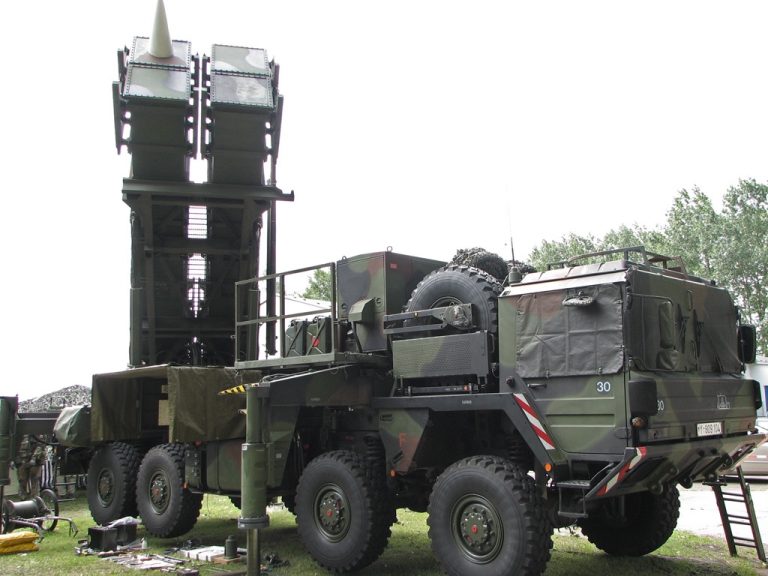
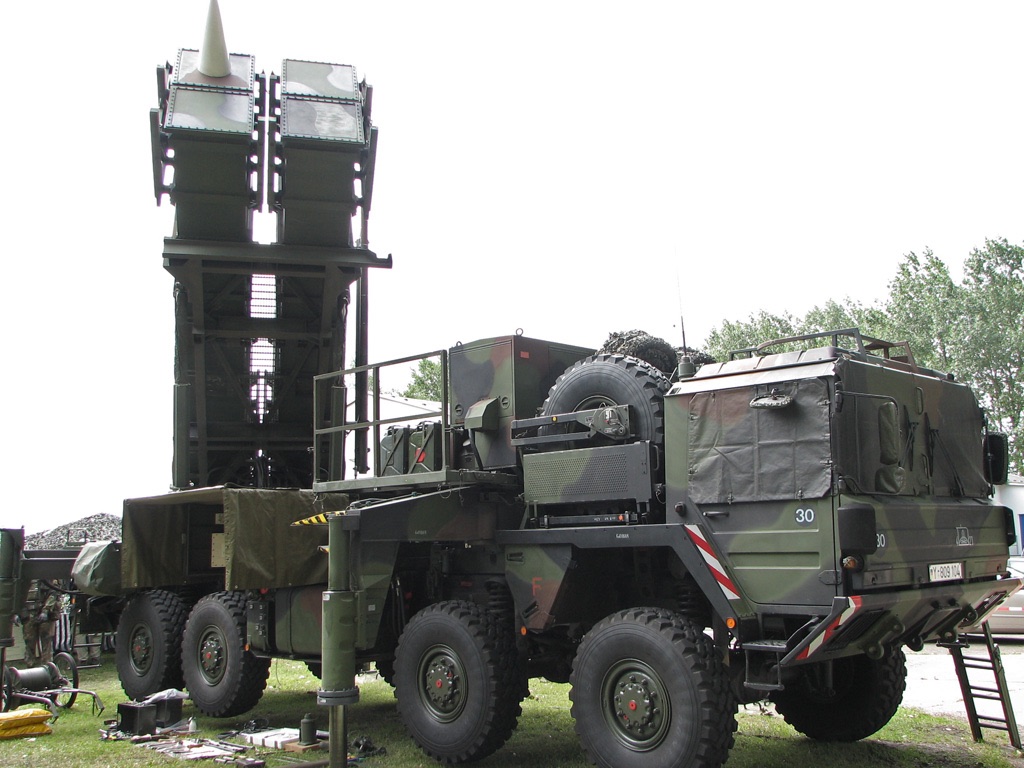
With up to €1 billion earmarked for the purchase, the Estonian Centre for Defence Investments (ECDI) is currently evaluating offers from multiple leading defence manufacturers. Potential contenders include the U.S. Patriot system, the Franco-Italian SAMP/T NG and Israel’s David’s Sling. While the government has not yet confirmed which system it will choose, officials expect that final selection will be made within weeks — ahead of the March deadline.
In the context of a transformed European security landscape, Estonia’s ambitious missile defence plans represent both a national priority and a valuable contribution to NATO’s collective deterrent. A delivery timeline estimates that the chosen system could be operational around 2030, providing a long-range shield capable of countering ballistic and cruise missile threats.
Estonia’s push to acquire robust air and missile defence capabilities comes after years of sustained military modernisation. In recent years, Tallinn has increased defence spending — surpassing the NATO 2 per cent benchmark and embarking on a series of high-profile acquisitions that have expanded its defence portfolio.
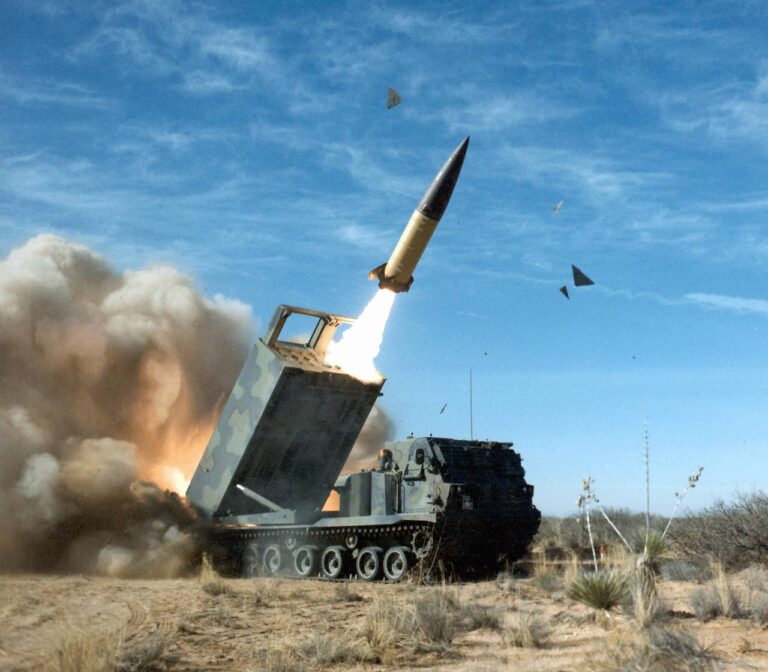
Among the most prominent is the procurement of High Mobility Artillery Rocket Systems (HIMARS) from the United States, which significantly improves Estonia’s long-range precision strike capabilities and enhances interoperability with allied forces. Additionally, Estonia signed a €290 million deal for six Chunmoo multiple-rocket launchers from South Korea’s Hanwha Aerospace — a contract that not only enhances strike capacity but also deepens defence ties with global partners.
These acquisitions, layered with Estonia’s focus on air and missile defence, reflect a coherent strategy: build a credible deterrent that complicates any potential aggression while reinforcing Estonia’s role as a forward-defender within NATO.
For Estonia, situated on NATO’s eastern flank and bordering Russia, the threat environment has shifted dramatically over the past decade. The Kremlin’s annexation of Crimea in 2014 and its full-scale invasion of Ukraine in 2022 have underscored the vulnerability of Europe’s perimeter states. Russian airspace violations near the Gulf of Finland and the proliferation of tactical ballistic missiles have further highlighted the need for a layered defensive architecture capable of intercepting both short- and long-range threats.
A robust missile defence system would not merely serve as a deterrent; it would provide a protective umbrella over Estonia’s population centres, key infrastructure and allied troops stationed in the region. Analysts say that credible air defence raises the geopolitical cost for any adversary contemplating aggression — a point not lost on Tallinn’s defence planners. The three systems under consideration each bring unique strengths: Patriot’s battle-proven engagement record, SAMP/T’s advanced interception capabilities and David’s Sling’s versatility against tactical ballistic threats.
Moreover, Estonia’s planned acquisition should be seen in tandem with wider NATO enhancements. In recent years, allied states on the eastern flank have jointly pursued layered defence solutions — from medium-range air defence systems to increased troop deployments — designed to ensure that NATO’s deterrent remains credible and resilient.
While defence imperatives are paramount, the procurement process also offers economic opportunities. Choosing a non-U.S. system such as SAMP/T would deepen Estonia’s defence ties with European partners, potentially strengthening industrial cooperation and technology transfer initiatives. Israel’s David’s Sling, co-developed with Raytheon, offers another path of partnership with allied defence industries.
Estonia’s approach reflects a broader trend in Northeastern Europe: pragmatic defence investment that seeks to balance strategic needs with industrial and alliance imperatives. A recent analysis by the Carnegie Endowment for International Peace highlighted how states in the region are forging pragmatic models of defence cooperation that reconcile transatlantic dependencies with regional autonomy — a model that Estonia exemplifies.
Support for enhanced defence capabilities enjoys broad political backing within Estonia. Defence spending has climbed steadily, and public sentiment remains firmly in favour of investments that preserve national sovereignty and strengthen NATO’s collective shield. The government’s commitment to surpass NATO defence spending targets for 2026 reflects this consensus.
“Elmar Vaher, the newly appointed director general of the ECDI, is tasked with steering one of the most consequential defence procurements in Estonia’s history,” officials said, emphasising the strategic significance of this project for national security.
Estonia’s decision is also likely to have a ripple effect on defence planning across the Baltic region. Latvia and Lithuania have been similarly ramping up their defence spending and capabilities, with both nations investing in medium-range systems like the IRIS-T and other modern platforms to complement their air defence networks. A robust missile defence on Estonian soil will enhance deterrence across the region, contributing to a multi-layered shield that benefits all three Baltic states.
As Tallinn moves closer to a historic procurement decision, the strategic message is clear: small states can, and must, take the lead in shaping their own defence futures in an era of heightened uncertainty. Estonia’s missile defence programme represents not just a sound military investment, but a reaffirmation of its commitment to collective security and deterrence on NATO’s eastern flank.
Whether Tallinn ultimately selects Patriot, SAMP/T, David’s Sling, or another advanced system, the real victory lies in the resolve behind the decision — a testament to Estonia’s enduring spirit of resilience and its unwavering belief in the security of Europe’s democratic order.