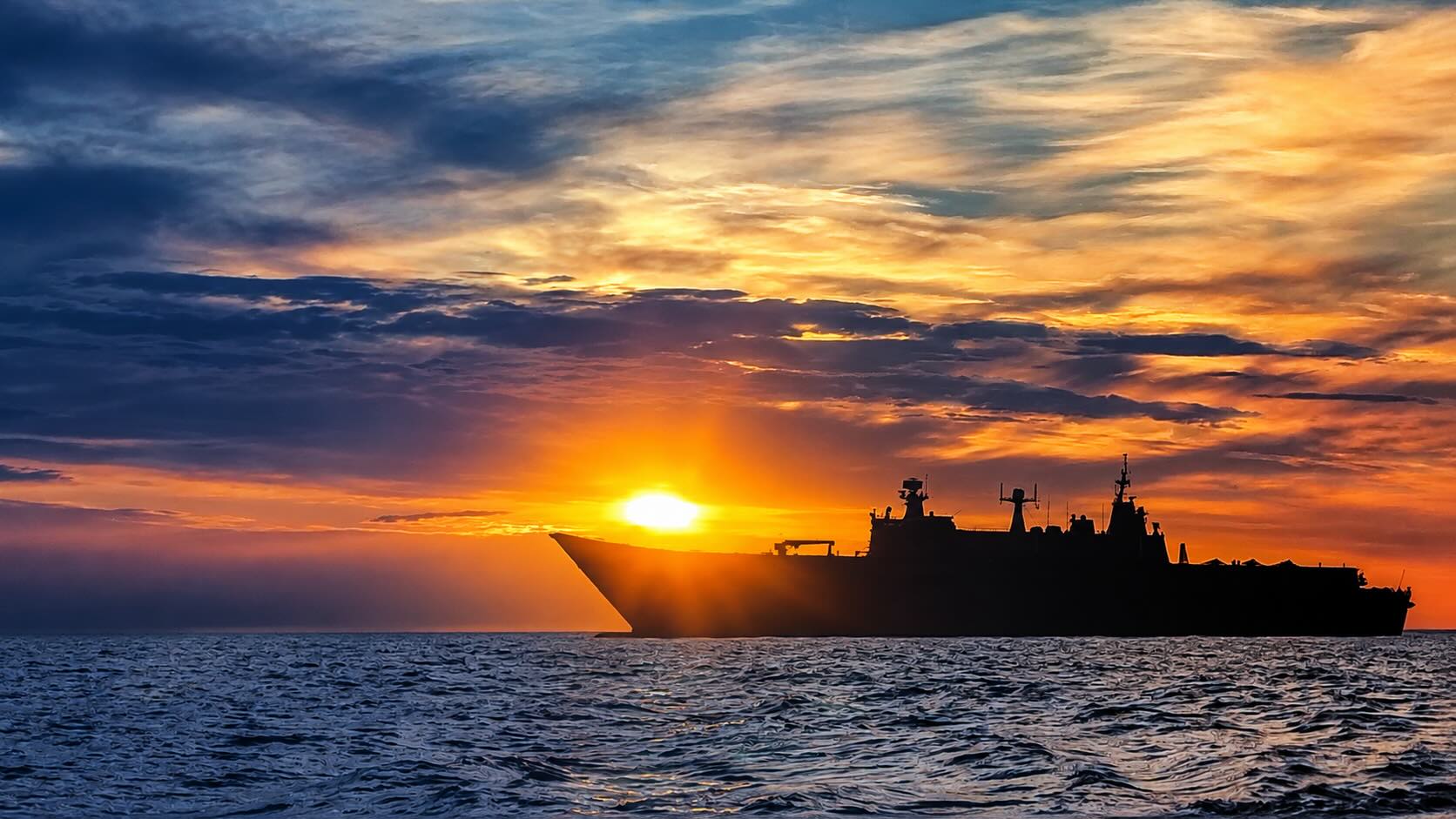
European defence officials and industry representatives are meeting in Spain this week to examine how Europe’s future combat vessel should be designed, built and supported across national fleets.
The European Combat Vessel industry workshop is taking place from 5 to 7 May in San Fernando, Cádiz. It brings together EU Member States, maritime communities and Tier 1 and Tier 2 industry representatives to discuss capability requirements, industrial cooperation and the role of Europe’s defence technological and industrial base in the development of a future naval platform.
The workshop follows the public release in January of the project’s high-level requirements, setting out the broad operational concept for a modular, multi-purpose warship. Seven EU Member States — Belgium, Cyprus, Greece, Italy, the Netherlands, Portugal and Spain — signed a letter of intent in late 2024 to develop a new European Combat Vessel class for the 2040 horizon.
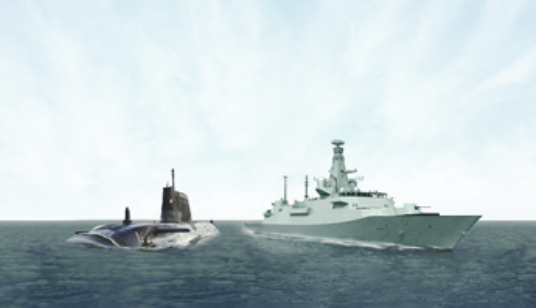
The project is not designed as a single ship. It is intended as a family of vessels using common technologies, open architecture and modular design, with different sizes and mission configurations according to national requirements. The high-level requirements identify small, medium and large variants, ranging from below 3,000 tonnes to 7,000–8,000 tonnes.
The current workshop is significant because it moves the project from broad political and military concept towards structured industrial engagement. Industry has been invited to provide written contributions and proposals on areas derived from the high-level requirements. Those submissions are intended to support refinement of the concept and contribute to the development of the project’s business case.
The operational logic behind the European Combat Vessel is clear. European navies face ageing fleets, pressure on shipbuilding capacity, increasingly contested sea lines of communication, and growing demands in the surface, subsurface, air, cyber and electromagnetic domains. A future combat vessel will also have to integrate drones, unmanned maritime systems, advanced sensors, electronic warfare, resilient command and control, and potentially directed-energy or counter-drone technologies.
The requirements document describes a systems-to-hull approach. In practical terms, that means technology, mission systems and interoperability requirements are placed at the centre of the design before the physical platform is finalised. This differs from a traditional model in which systems are added to a ship design later in the process.
That approach is intended to make the vessel easier to modernise over its service life. It also reflects the reality that naval platforms entering service in the 2040s will need to operate with technologies that may still be immature or not yet fielded at scale. Open architecture is therefore central to the project, allowing future upgrades without requiring a complete redesign of the vessel.
The project also has an industrial purpose. Europe’s naval sector remains fragmented, with national procurement habits, separate design lines and different support systems. A common family of vessels could reduce duplication, support economies of scale and allow shared logistics, training and maintenance arrangements. The workshop in Cádiz is part of that effort to test whether industry can offer practical proposals for a coherent European solution.
For shipbuilders and systems suppliers, the initiative could become a long-term opportunity. A family of vessels built around common mission systems would require shipyard capacity, sensors, combat management systems, propulsion solutions, communications, cyber protection, electronic warfare, missile integration, unmanned systems and through-life support. The industrial chain would therefore extend well beyond hull construction.
Interoperability is another central issue. The future vessel is intended to remain coherent with NATO targets and standards while supporting EU operations and national tasks. That dual requirement matters for European navies, which must be able to operate in NATO formations, EU maritime missions, coalition deployments and national defence roles.
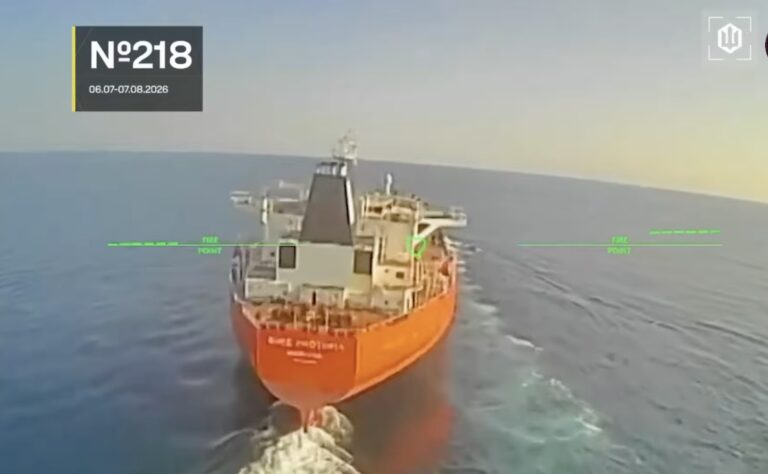
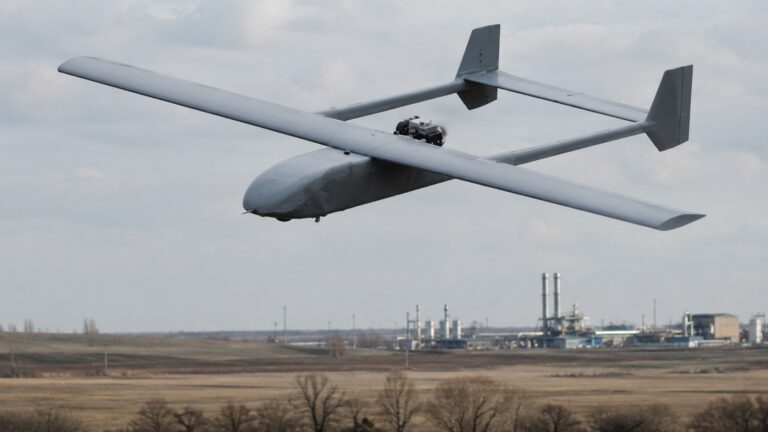
The maritime threat environment has changed considerably in recent years. The protection of undersea infrastructure has become a higher priority after incidents affecting energy and communications networks. The use of drones and unmanned systems at sea has also changed operational planning. Naval forces now require not only traditional anti-air, anti-surface and anti-submarine capability, but also systems able to detect, track and counter smaller unmanned threats.
The European Combat Vessel is still at an early stage. The Cádiz workshop is an information-gathering and concept-development exercise. The value of the process will depend on whether participating governments can align requirements, avoid excessive national customisation and move towards a viable common design path.
For Europe’s defence sector, the lesson from previous multinational programmes is that cooperation can reduce costs and support common capability, but only when political commitments are matched by disciplined requirements and stable funding. A modular family of combat vessels may offer flexibility, but too much variation could undermine the industrial and operational benefits the project is intended to deliver.
The final day of the Cádiz workshop therefore matters less as a public event than as a marker in the early development of Europe’s next naval cooperation file. If the project advances, it could shape shipbuilding, maritime capability and naval interoperability well into the 2040s.