Reports by the Washington Post said Russia had provided Iran with information that could assist strikes on US warships, aircraft and other military assets in the region.
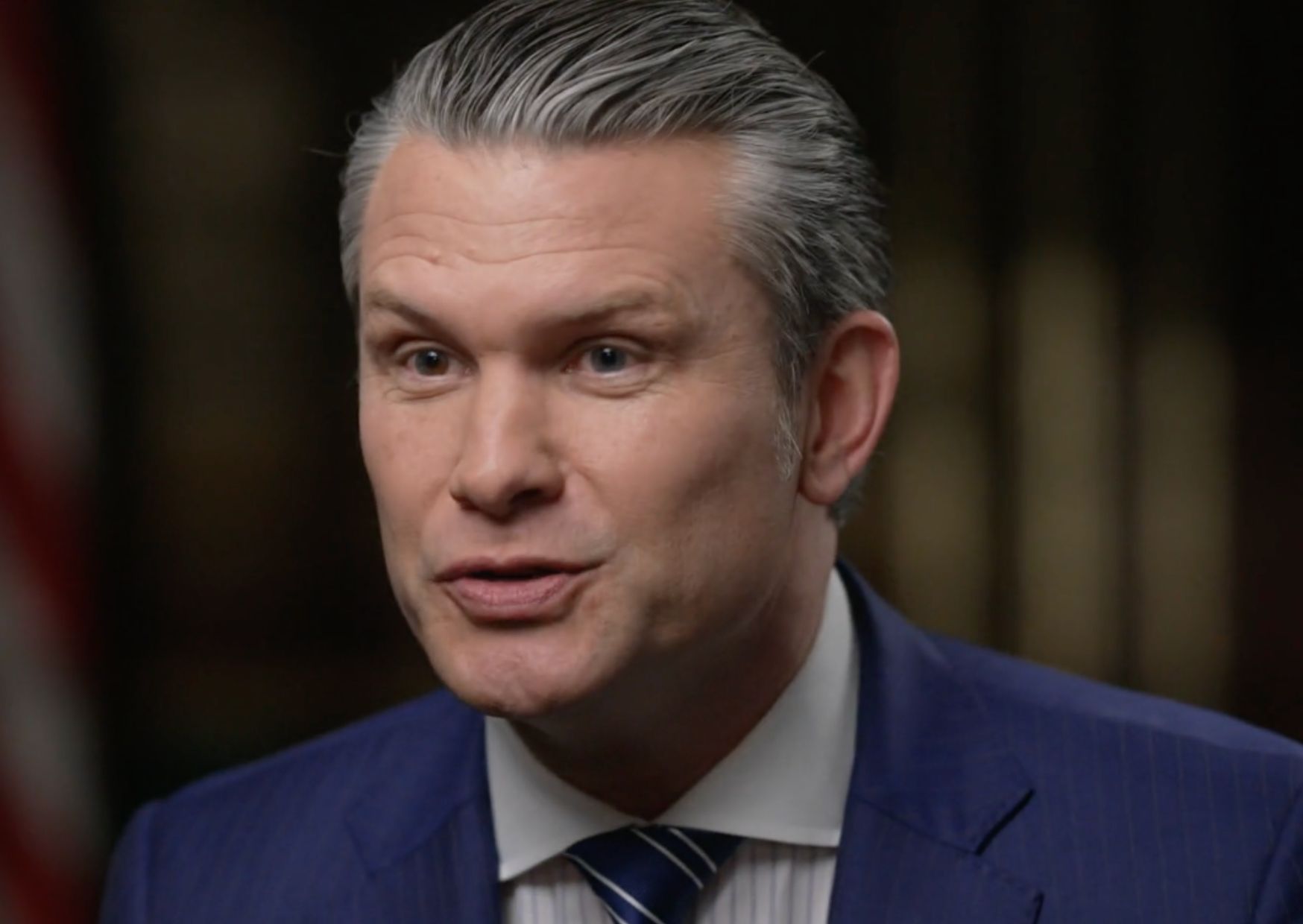
In an interview with CBS News, Hegseth said Americans could be confident that their commander-in-chief was “well aware of who’s talking to who”. He added that anything taking place publicly or through unofficial channels that “shouldn’t be happening” would be “confronted strongly”, and said the US was tracking developments and incorporating them into battle plans. Hegseth did not directly confirm the intelligence reporting, but he made clear that Washington did not regard the development as outside its field of view.
His broader message was one of defiance rather than denial. Hegseth said the United States was accustomed to operating in dangerous theatres and that concern should rest with Iran rather than with American commanders. That formulation appears intended to project military confidence at a time when the administration is facing questions not only about the widening confrontation with Tehran but also about the possibility that Moscow is now playing an active, if indirect, operational role in it.
The underlying allegations are serious. According to the Washington Post, the intelligence shared by Russia included information on the location of US warships and aircraft in the Middle East. Reuters, citing the Post’s reporting, said three officials familiar with the intelligence described it as targeting information for attacks on American forces. AP reported separately that Russia had provided information that could help Tehran strike US military assets in the Persian Gulf and elsewhere in the region. If accurate, that would mark a significant escalation in the practical military value of Russian-Iranian cooperation.
The White House has adopted much the same public line as the Pentagon. Press secretary Karoline Leavitt declined to say whether Trump had raised the matter with Vladimir Putin, while arguing that the reported intelligence sharing had not affected American military operations. The administration’s response, at least in public, has therefore been to avoid any suggestion that Russian assistance has altered the military balance or caught Washington off guard.
Trump himself, however, took a noticeably different approach when asked directly about the reports. At a White House roundtable on university sport on Friday, Fox News correspondent Peter Doocy began to ask about reports from the Washington Post and Fox News that Russia was providing Iran with intelligence to help it strike American positions. Trump interrupted him before the question was completed, dismissed it as a “stupid question”, and refused to discuss the matter further, insisting that the event was about something else. A few minutes later, he returned to Doocy and said the earlier question had been a poor one, before declining to allow the subject to be raised again.
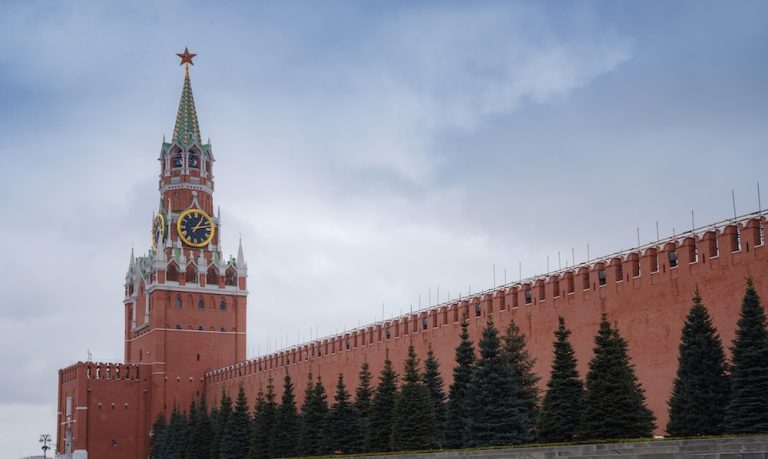
The issue also matters beyond immediate battlefield calculations. Moscow and Tehran have drawn much closer in recent years through arms transfers, sanctions evasion, diplomatic coordination and a shared hostility to Western pressure. Kremlin spokesman Dmitry Peskov said on Friday that Russia remained in dialogue with Iran’s leadership, though he declined to comment on the intelligence reports themselves. In that context, the latest allegations suggest that the Russia-Iran relationship may now be extending beyond long-term alignment into real-time support during an active conflict involving US forces.
For the moment, the Trump administration appears determined to frame the matter as manageable. Hegseth’s remarks were designed to show that the Pentagon is watching closely and sees no reason for public alarm. But the reports themselves are difficult to dismiss. If Russia is indeed passing targeting intelligence to Iran while American forces are engaged in combat operations in the region, that would amount to a consequential new layer of escalation, regardless of how casually Washington chooses to describe it in public.