Senior naval chiefs from the Joint Expeditionary Force are meeting in London on 23 April for talks hosted by the UK’s First Sea Lord, as the UK seeks to strengthen cooperation with northern European allies against what it describes as growing Russian threats across the High North, North Atlantic and Baltic. In a Royal Navy announcement published on 22 April, the service said General Sir Gwyn Jenkins would bring together Joint Expeditionary Force chiefs of navy in Whitehall to deepen partnerships and reinforce deterrence in the region.
The same official announcement states that the meeting is intended to move beyond periodic coalition activity towards a more permanent and more integrated joint naval posture. According to the published text, the discussions are expected to focus on improving collective warfighting readiness and enhancing the ability of allied navies to operate together from the outset of any crisis.
A previously issued conference invitation dated 12 February said the event would take place in London on 22 and 23 April, with the first evening devoted to the Admiral Sir Henry Leach Lecture and the second day reserved for chiefs-of-navy discussions at the Ministry of Defence. That document said the meeting would concentrate on operational planning, readiness, capability collaboration and training opportunities, with the stated aim of agreeing actionable measures to strengthen collective maritime security.
The maritime focus reflects the geography of the Joint Expeditionary Force itself. The organisation’s own public website describes it as a coalition of ten like-minded nations with a common focus on security in the High North, Northern Europe and the Baltic region. The London meeting therefore sits squarely within the JEF’s established operating area, but the current emphasis is more explicitly naval and more directly connected to deterrence and readiness.
In its 22 April statement, the Royal Navy said Russian activity had become more brazen both on the surface and undersea, and argued that interference with shipping and the probing of critical national infrastructure now require a more permanent level of allied readiness. The service said it wanted a force better able to generate increased collective combat power and to act as a complement to NATO.
That point was reinforced in the published remarks attributed to Jenkins. In the Royal Navy text, he said the security of the High North and North Atlantic depended on the ability of allies to act together “not occasionally, but permanently and at pace”. He added that this required a joint force that was integrated, interoperable and capable of providing meaningful deterrence.
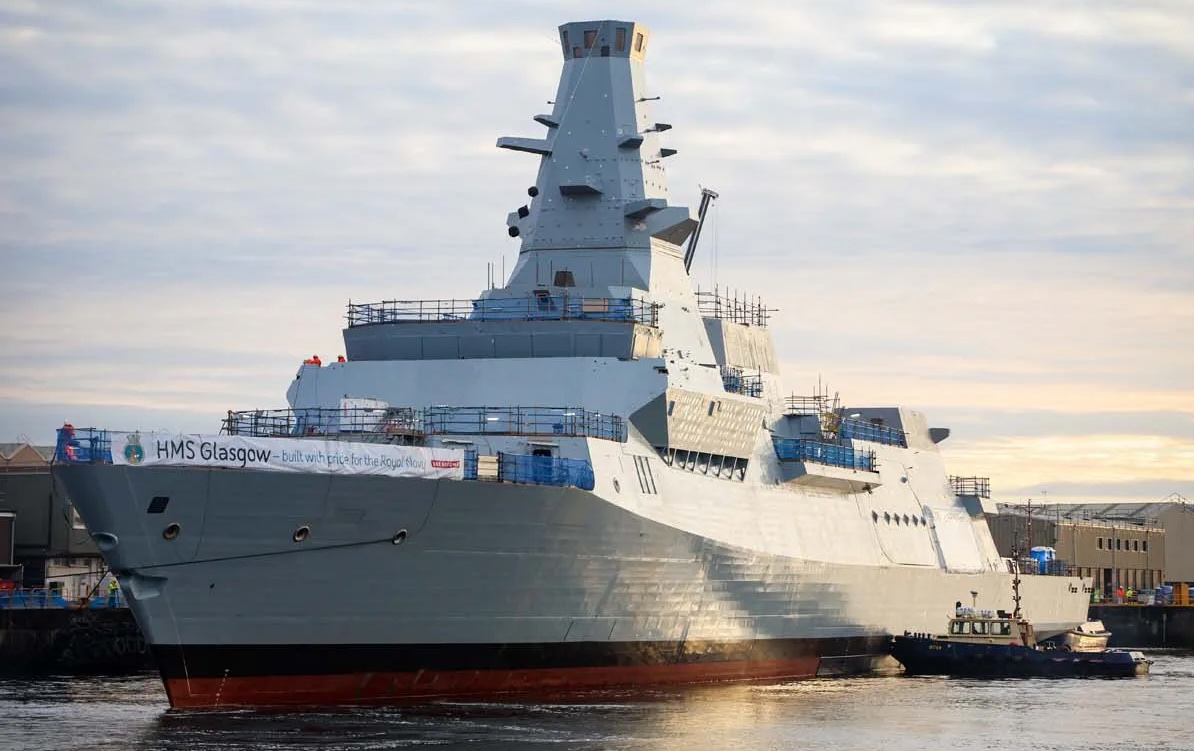
The Royal Navy also used the announcement to point to a more practical level of naval integration. Its statement said future ambitions include greater interchangeability between member nations, meaning the potential to substitute or share equipment, parts, ammunition, personnel, digital networks, logistics and stockpiles. It also cited the UK’s export of the Type 26 frigate to Norway and Canada and referred to the Lunna House Agreement with Norway as evidence of closer naval cooperation already under way.