Franco-German land-systems group KNDS has postponed its planned initial public offering, citing volatility in European defence shares and saying it will return when market conditions become more favourable.
The maker of Leopard 2 tanks and Caesar self-propelled howitzers said preparations for the Paris and Frankfurt listing were substantially complete and that it had engaged extensively with investors. The company nevertheless paused the flotation before shares reached the market.
The decision is a useful corrective to the assumption that higher military spending automatically produces investor confidence. European governments are committing more money to defence, but public-market investors still ask what they are buying, at what price and under whose control.
Defence Matters recently described the proposed listing as a market test for Franco-German rearmament. The postponement is a material development, not a repeat: the test has produced an initial answer.
KNDS remains strategically important and commercially active. Its products sit at the centre of European efforts to rebuild armoured forces and artillery stocks. The delay does not imply a collapse in demand or cancellation of the IPO.
It does indicate that the price expected by the owners and the price investors are willing to pay did not align sufficiently under current conditions. Defence-sector shares have risen sharply since Russia’s invasion and renewed NATO spending commitments. When valuations run ahead of confirmed earnings and delivery, volatility follows.
Military procurement creates long order books, but production and payment can stretch across years. Contracts may be delayed by parliamentary approvals, export decisions, customer changes or industrial bottlenecks.
Investors therefore look beyond headline demand. They examine margins, advance payments, supply-chain capacity and whether factories can turn orders into delivered vehicles and ammunition.
KNDS also sits inside complex state-industrial arrangements. France and Germany view it as a strategic asset, while its French and German components retain distinct histories and interests. State influence can provide stability and access to programmes, but it may constrain management or place political objectives ahead of minority shareholders.
The proposed ownership structure and continuing public control are therefore central to valuation. Investors must decide whether they would own a growth company or a limited economic interest in an enterprise whose most important decisions remain political.
KNDS was created by combining Nexter and Krauss-Maffei Wegmann. That structure was intended to consolidate European land warfare capability, yet major programmes still expose national tensions over workshare, intellectual property and leadership.
The Main Ground Combat System, intended as a successor to Leopard 2 and Leclerc, remains an important measure of whether Franco-German cooperation can produce a common platform rather than parallel national solutions.
An IPO would place those governance questions under continuous market scrutiny. Delays, programme disputes and shifts in state policy would be reflected quickly in the share price.
The postponement does not undermine the strategic case for expanding European defence production. It shows that defence companies need credible execution plans as well as favourable politics.
Governments can help by placing multi-year orders, reducing specification changes and coordinating demand. Stable production runs make capacity investment more rational and earnings more visible.
KNDS and its shareholders say they are ready to resume the process. A later listing may succeed if market volatility eases and investors receive greater clarity on valuation, state control and programme delivery.
Europe’s rearmament cycle remains real. The delayed flotation shows that capital markets will not fund it on patriotic sentiment alone.
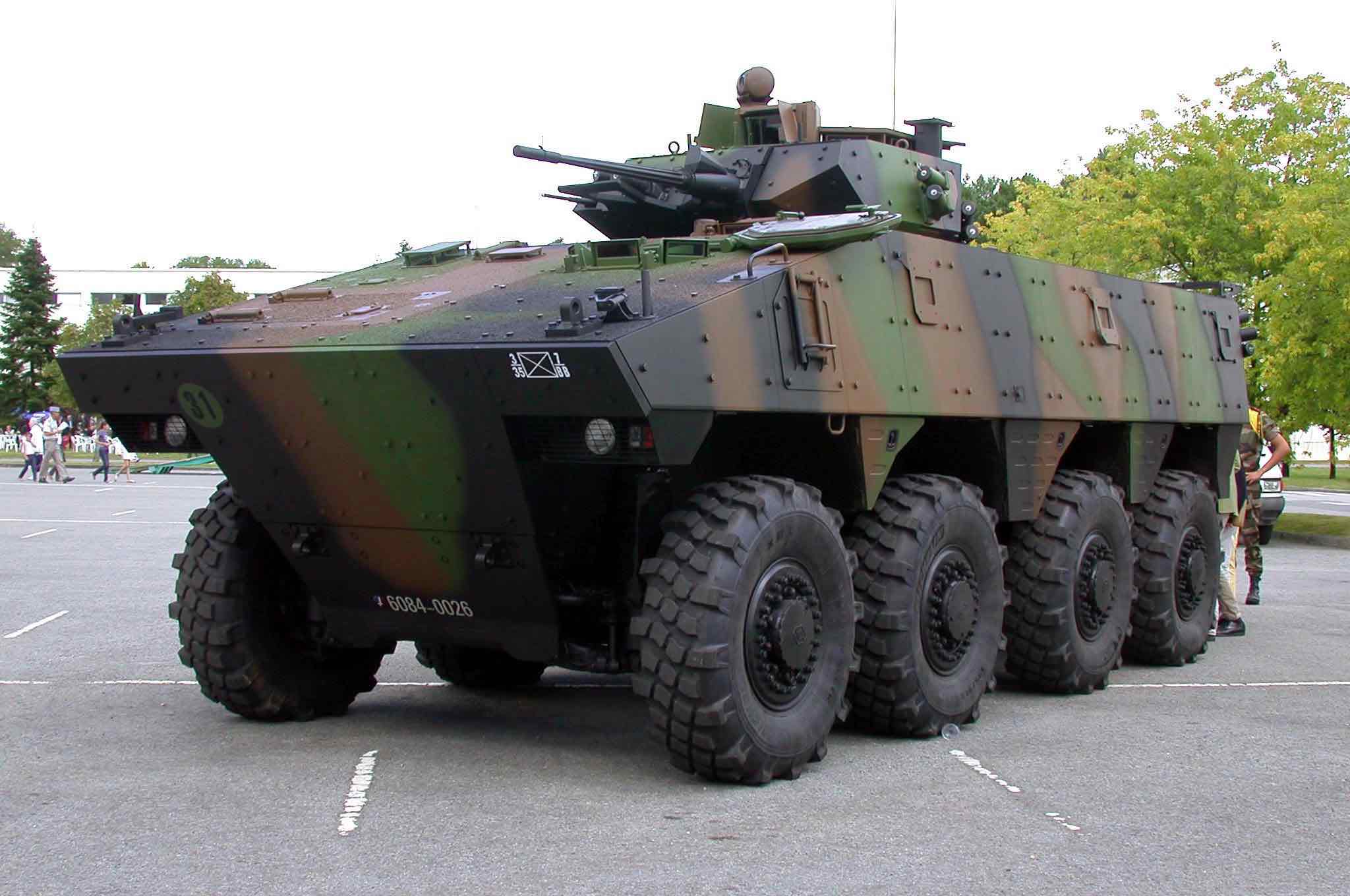
Main Image: Par Selvejp — Travail personnel, CC BY-SA 3.0, https://commons.wikimedia.org/w/index.php?curid=7550116