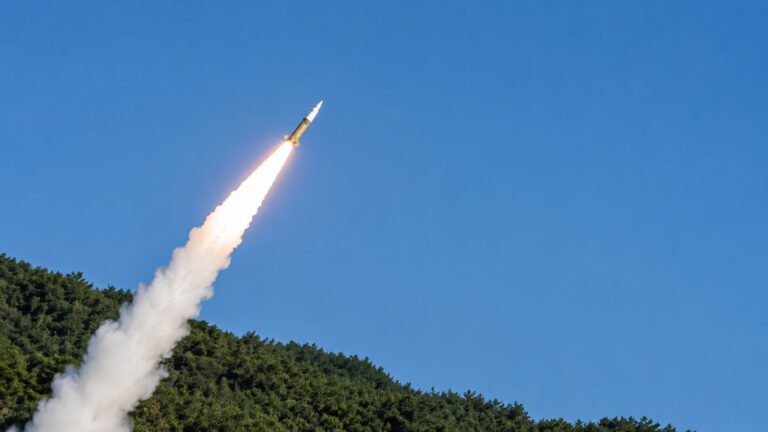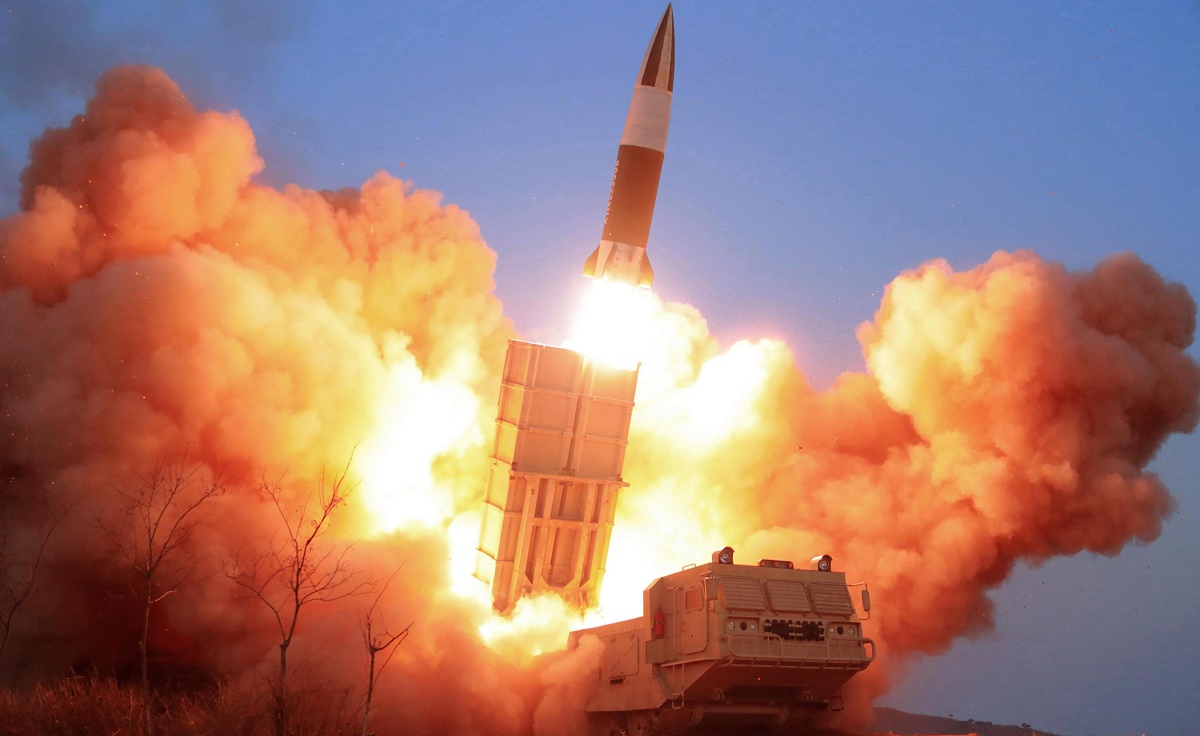
A North Korean missile unit has begun deploying to western Russia and could eventually operate with 120 ballistic missiles and six launchers, according to Ukraine’s military intelligence.
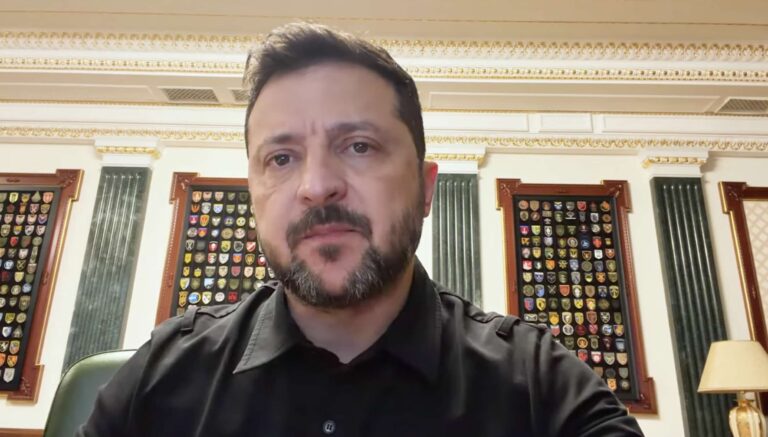
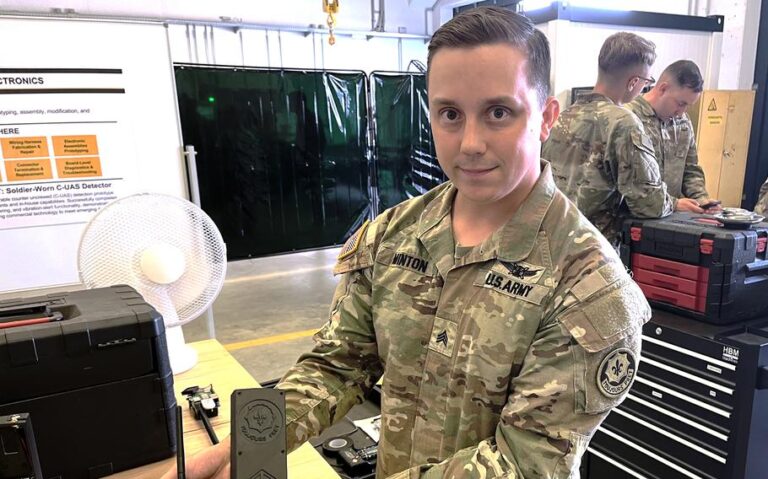
Andrii Cherniak of Ukraine’s Main Directorate of Intelligence told Reuters that about 90 North Korean personnel were expected to be based in the Voronezh region with Russia’s 112th Missile Brigade. Pyongyang has already sent a new batch of 40 KN-23 and KN-24 short-range ballistic missiles and accompanying personnel, he said.
The final configuration is expected to be settled during high-level talks between Russia and North Korea in September. The precise duties of the North Korean personnel have not been disclosed, but their attachment to a Russian missile brigade points to a closer operational relationship than previous deliveries of weapons and ammunition.
North Korea has supplied Russia with millions of artillery rounds and about 150 KN-23 and KN-24 missiles since the end of 2023, according to Ukrainian intelligence. It has also sent thousands of troops to Russia, initially to support operations against Ukrainian forces in the Kursk region.
Defence Matters has previously examined Ukraine’s estimate that North Korean troops suffered more than 7,000 casualties in Kursk and reports that Moscow is preparing to receive as many as 30,000 additional North Korean personnel.
The new deployment differs from those manpower arrangements. Missile specialists can provide maintenance, launcher support, technical instruction and assistance with integrating North Korean weapons into Russian command and targeting structures. Their presence could also help resolve faults and reliability problems identified during previous launches.
Russia has already resumed using North Korean missiles after an interruption of almost a year. A missile identified by Ukrainian authorities as North Korean struck the village of Radushne in late July, destroying a residential building and killing five members of one family. The weapon was believed to have come from the latest batch delivered by Pyongyang, as Defence Matters reported following the strike.
The immediate military consequence is an increase in the number of ballistic missiles available to Russia.
Unlike cruise missiles and drones, ballistic missiles descend towards their targets at high speed and can be intercepted only by a limited number of advanced air-defence systems. Ukraine relies principally on US-made Patriot batteries for this task and has repeatedly sought additional systems and interceptor missiles from its allies.
Russia has increasingly combined ballistic missiles with cruise missiles, attack drones and decoy targets in attempts to overwhelm Ukrainian defences. A further 120 North Korean missiles would give Moscow another reserve for concentrated attacks against military sites, transport infrastructure, energy facilities and cities.
The KN-23 and KN-24 carry larger payloads and have greater ranges than Russia’s Iskander-M ballistic missile, according to Ukrainian military sources quoted by Reuters. They are considered less accurate, however, increasing the danger to surrounding civilian areas when used against targets in or near populated centres.
Six additional launchers would also allow greater dispersal. Road-mobile systems can be moved between prepared positions, making them harder to locate and giving Russian forces more options for coordinating launches from different parts of western Russia.
Voronezh is particularly relevant because it lies close enough to Ukraine to support missile operations while remaining well inside Russian territory. The region already serves as an important military and logistical area for forces operating against Ukraine.
The arrangement also offers North Korea access to information that cannot be obtained through domestic missile testing.
North Korean personnel working with Russian units could observe launch procedures, battlefield targeting, weapon accuracy, maintenance requirements and Ukrainian interception methods. Data gathered from combat use could then be applied to future missile design, training and deployment doctrine.
The US intelligence community assessed in March that North Korea’s support for Russia had already improved its military capabilities by providing its forces with combat experience and access to equipment. Missile personnel would extend that learning from ground operations into long-range strike warfare.
The exchange is not confined to military experience. A NATO Defense College assessment described an established system in which North Korea supplies military matériel while receiving Russian oil, food and other resources. Moscow’s growing dependence on North Korean ammunition and missiles gives Pyongyang greater leverage in determining the terms of that relationship.
NATO has described military cooperation between Russia and North Korea as a threat to both Euro-Atlantic and Indo-Pacific security. The alliance has also said that North Korean exports of ballistic missiles and other weapons to Russia breach several United Nations Security Council resolutions.
The deployment of a North Korean missile unit would tighten that connection. Russia would gain additional weapons and specialist support for its campaign against Ukraine. North Korea would gain operational knowledge from a large-scale war against Western-supplied air-defence systems.
Pyongyang’s role in the conflict is therefore developing along several lines at once: artillery supply, ballistic-missile deliveries, conventional troop deployments and, now, specialist personnel attached to a Russian missile formation.
For Ukraine, the practical result is another source of pressure on a limited ballistic-missile defence network. For Russia and North Korea, it represents a further step towards an integrated military partnership in which weapons, personnel, resources and combat experience are exchanged across two theatres.