Ukraine has imposed sanctions on 23 companies and 20 associated individuals accused of supplying Russia’s defence industry and security agencies with equipment, components and technical services.
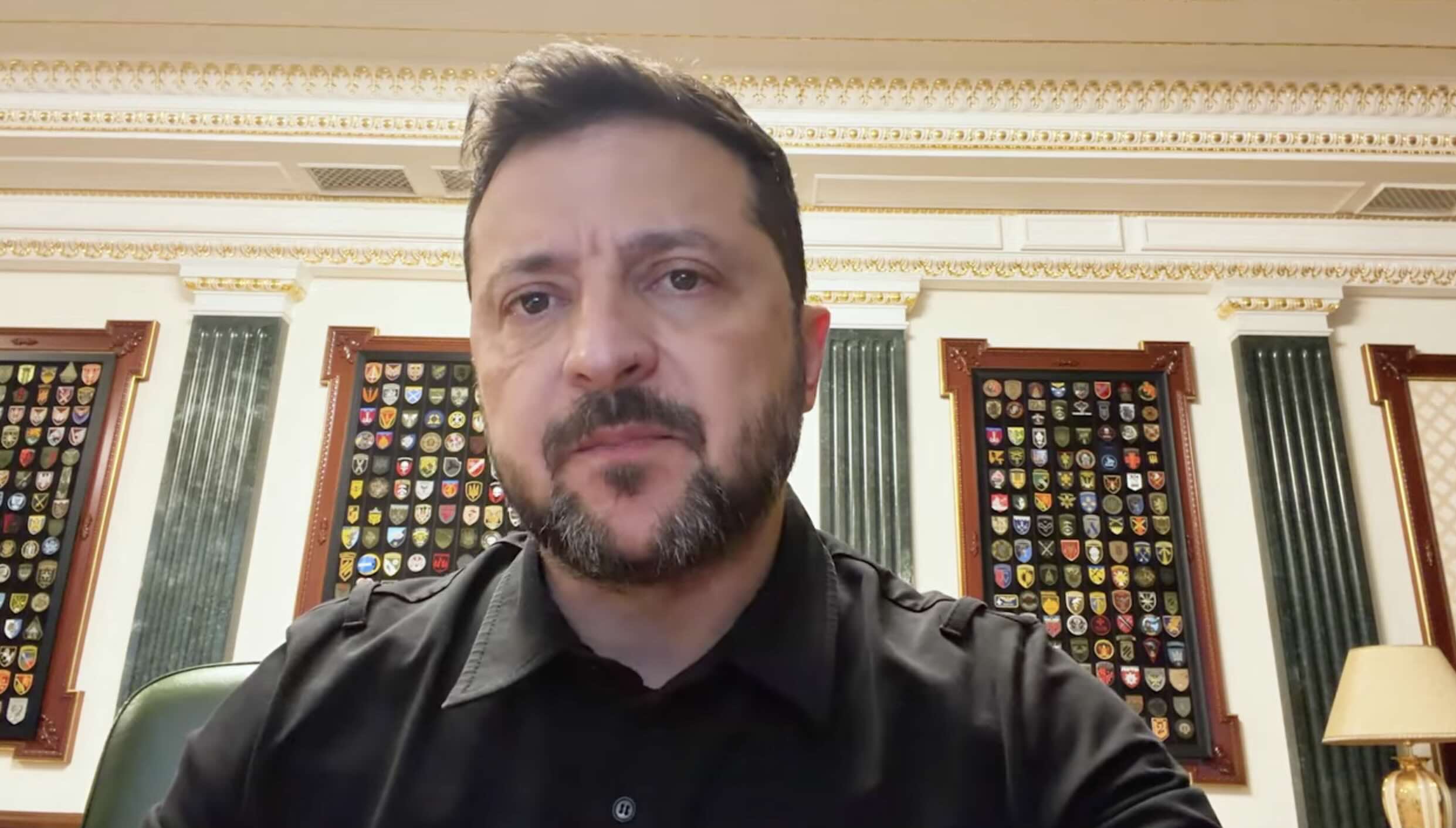
President Volodymyr Zelenskyy signed Decree No 704/2026 on 3 August, bringing into force a National Security and Defence Council decision adopted on 2 July. The measures were proposed by the Security Service of Ukraine and took effect upon publication.
The decree also instructs the Ukrainian Foreign Ministry to notify the European Union, the United States and other governments of the designations and to seek corresponding restrictions abroad. Kyiv is therefore attempting to turn a national sanctions package into the basis for coordinated action against companies operating within Russia’s military-industrial supply chains.
According to the accompanying statement from the Ukrainian presidency, the designated businesses manufacture or supply products used in ballistic missiles, guided aviation weapons, air-defence equipment, unmanned systems and electronic warfare.
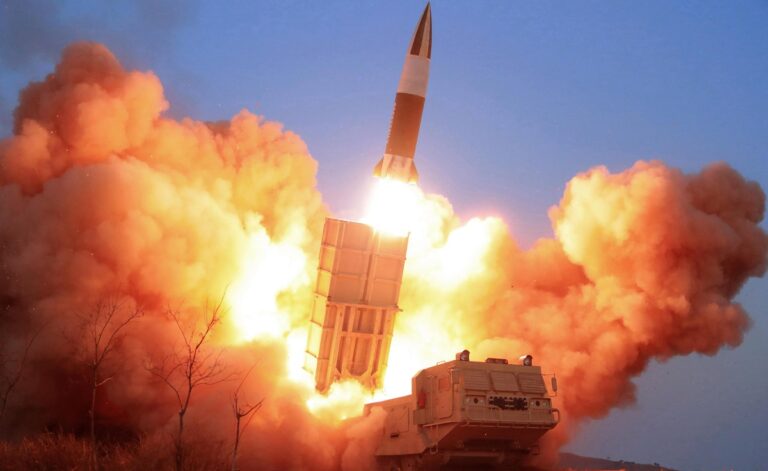
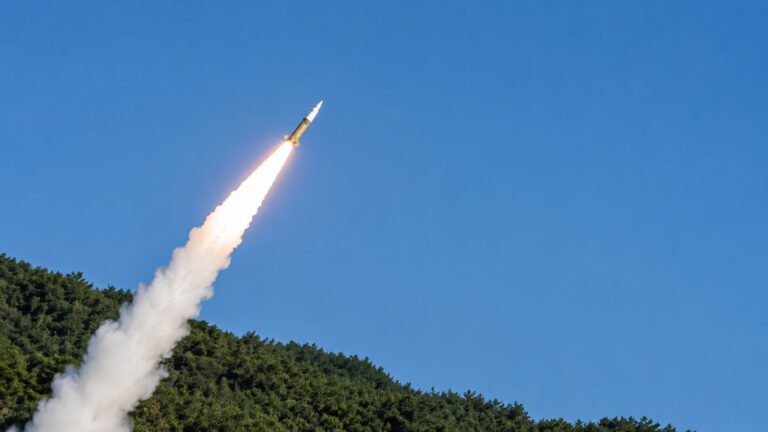
Among the entities named is the Morozov Plant, which Kyiv describes as part of Russia’s state-owned Rostec group. Ukrainian authorities say the plant produces explosives, rocket fuel and materials for missile systems, including solid-propellant charges used in the engines of Iskander-M ballistic missiles.
Solid propellant is one of the central industrial inputs behind ballistic-missile production. Unlike general-purpose mechanical parts, missile fuel requires specialised chemical production, testing and storage. Restrictions affecting the companies, equipment or finance involved in its manufacture could therefore reach deeper into Russia’s production cycle than sanctions directed only at the final missile assembler.
Ukraine also designated Kidma Tech, which the presidential statement says manufactures optical instruments, air-defence systems and multiple-launch rocket systems, while repairing air-launched and anti-tank guided missiles. Another company, Spetselektronkomplekt, is described as being involved in producing guided air-launched missiles. These claims have been made by the Ukrainian authorities and have not been independently established in the decree itself.
The range of activities covered by the package reflects the structure of modern weapons production. Missiles and drones depend on networks of chemical suppliers, electronics manufacturers, software developers, optical-equipment producers and specialist repair facilities. Disrupting one part of that network may delay production even when the final assembly plant remains operational.
The sanctions also cover Aurum, which Kyiv accuses of supplying electronic-warfare systems and drones to Russian forces occupying Ukrainian territory. Russian information-technology businesses developing digital products and information-security software for state and private customers are included as well.
Electronic warfare has become closely connected to the drone campaign. Jamming, navigation interference and communications disruption can determine whether an unmanned aircraft reaches its target, while manufacturers have sought to improve the ability of drones to continue operating in contested electromagnetic conditions.
EU Today recently examined European measures against companies linked to ABS Electro, a Russian group accused of supplying electronic components that improve drones’ resistance to electronic warfare. The latest Ukrainian package covers a wider industrial range, extending from drone electronics to missile propellant, aviation weapons, air defence and digital security systems.
Ukraine’s restrictions have their greatest direct force inside Ukrainian jurisdiction. Their effect on access to foreign finance, technology and logistics will depend on whether Kyiv’s partners adopt equivalent listings or determine that the companies are already covered by existing measures.
The names can now be compared with the European Union’s sanctions database, the US Treasury’s OFAC sanctions search and the British Government’s UK Sanctions List. Differences in transliteration, corporate names and ownership structures can complicate such checks, particularly where a business operates through subsidiaries or affiliated procurement companies.
The decree explicitly asks foreign governments to introduce analogous restrictions, placing responsibility for the next stage with Ukraine’s diplomatic and sanctions-policy authorities. The practical effect will depend on whether allied governments accept Kyiv’s evidence and whether the targeted entities retain connections to suppliers or financial institutions outside Russia.
Sanctions form one part of Ukraine’s effort to disrupt the industrial base behind Russian attacks. Defence Matters has also examined the physical side of that campaign, including the reported Flamingo missile strike on the VNIIR-Progress electronics plant in Cheboksary, a facility associated with navigation components used in missiles and drones.
The latest decree applies financial and commercial pressure to the same broad target: the companies, technology and specialised materials that allow Russia to replenish weapons used against Ukraine. Its effect beyond Ukraine will be determined by the extent to which the EU, US and UK incorporate the new names into their own sanctions and export-control systems.